Industrial Infrastructure Strikes
Drone and Missile Attacks Halt Critical Russian and Ukrainian Industrial Operations
Anonymous
Key Points
1
At the Syzran refinery, the damaged CDU-6 crude-processing unit handles about 17,100 tonnes per day—roughly 71% of the refinery’s capacity—and repairs could take at least a month. A second unit, CDU-5, was already undergoing repairs after a July drone attack.
2
The Saratov refinery had suffered repeated disruptions before the latest shutdown: it halted operations on September 8 because of equipment damage and fires, briefly prepared to restart, and had previously remained closed for several weeks after an August 2 drone attack.
3
The reported Metafrax damage involved multiple production links, including formalin, pentaerythritol, urea and hexamine units, as well as the nitrogen-oxygen station and a main electrical substation. The report said hexamine is used to make RDX and HMX, while pentaerythritol is used in producing PETN, but emphasized that neither the complete shutdown nor the full damage assessment had been officially confirmed.
4
The reported strike on Atlant Aero targeted a facility associated with Molniya reconnaissance and attack drones and components for Orion UAVs; Ukrainian forces said the operation was conducted jointly by long-range strike units, the Unmanned Systems Forces and the Security Service.
5
ArcelorMittal said the missile hit the area of ironmaking complex No. 1 at Kryvyi Rih. While primary steelmaking was halted, other parts of the plant were either idled or operating at minimum levels, and the company said it could not yet estimate how long repairs would take; it also described the strike as the second against the operation in five weeks.
Ukraine's drone strikes on September 15 halted crude processing at two major Russian refineries and damaged a chemical plant that produces explosive precursors, escalating attacks on Moscow's war-supporting industrial base. Reuters confirmed that Rosneft's Syzran and Saratov facilities—which together process 290,000 barrels of crude oil per day—completely suspended operations after the coordinated strikes.
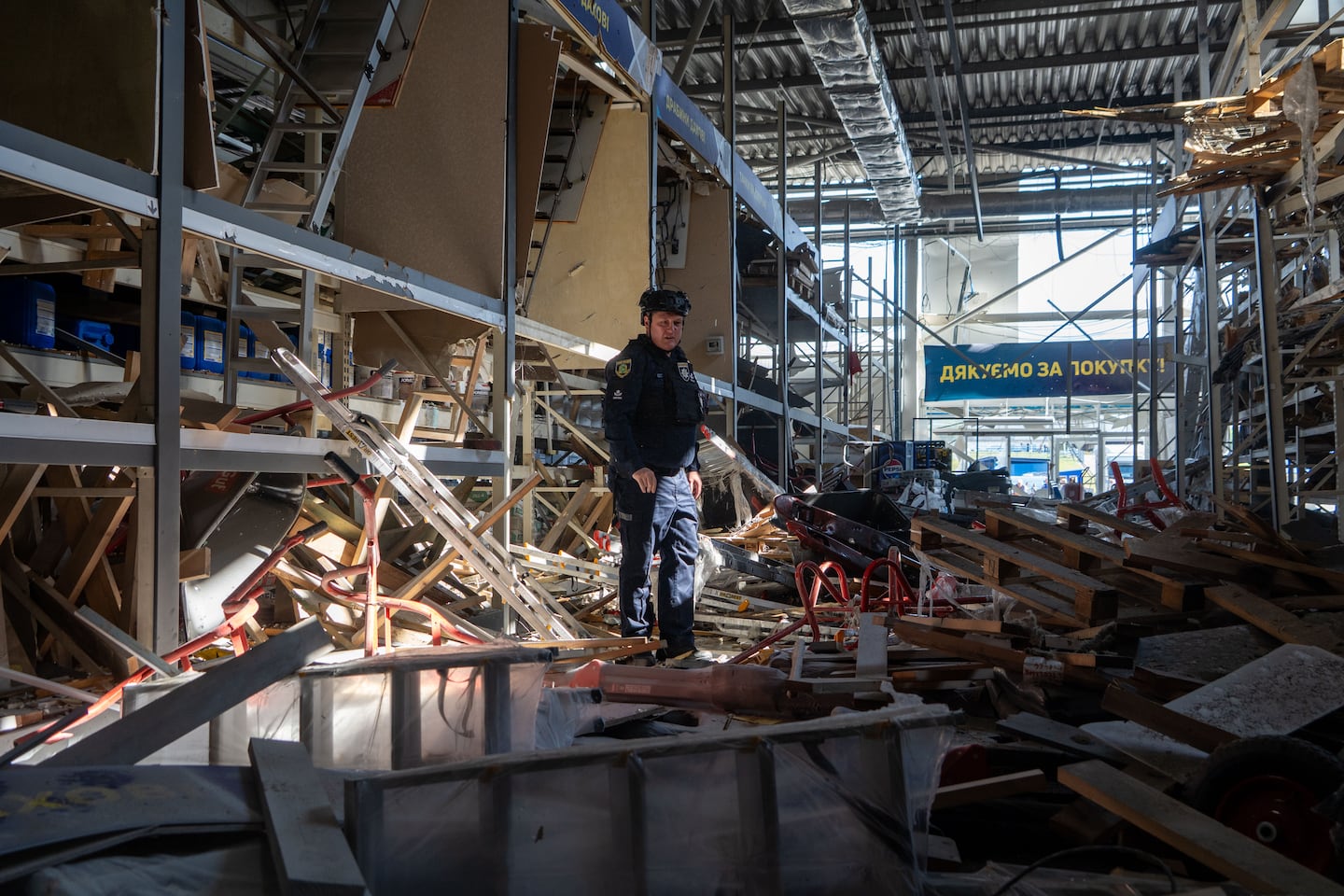
The same night, Russian ballistic missiles struck ArcelorMittal's steel plant in Kryvyi Rih, Ukraine, killing two contractors and halting primary steel production. The attacks underscore an intensifying cycle of industrial warfare despite WBUR's reporting that President Trump claimed Russia and Ukraine agreed to stop hitting energy infrastructure.
Syzran Refinery Loses Three-Quarters of Its Capacity
The Ukrainian strike damaged Syzran's CDU-6 crude-processing unit, which handles 17,100 metric tons per day—roughly 71% of the refinery's total capacity. Reuters reports repairs will take at least one month. The facility's second unit, CDU-5, was already offline from a July attack, leaving the refinery operating at severely reduced throughput.
Saratov Refinery Faces Repeated Shutdowns
Saratov, the second major Rosneft refinery struck on September 15, has suffered relentless disruptions. It halted operations on September 8 after equipment damage and fires. Before that, an August 2 drone attack forced a multi-week shutdown. Reuters confirmed both refineries are now completely idle, depriving Russia of roughly 290,000 barrels of daily processing capacity.
Chemical Plant Damage Threatens Explosive Production
Ukrainian forces reportedly struck Metafrax Chemicals in Perm Krai, damaging units that produce formalin, pentaerythritol, urea, and hexamine. These chemicals are used to manufacture military explosives like RDX, HMX, and PETN. The plant also suffered damage to its nitrogen-oxygen station and main electrical substation. However, neither a complete shutdown nor the full extent of damage has been officially confirmed.
Drone Factory and Ukrainian Steel Plant Also Hit
Ukrainian forces jointly attacked the Atlant Aero facility in Taganrog, which produces Molniya reconnaissance drones and components for Orion UAVs used by Russian forces. In retaliation, ArcelorMittal reported that a Russian ballistic missile struck the ironmaking complex at its Kryvyi Rih plant in Ukraine on September 15–16, killing two contractors and injuring two employees. The company halted primary steel production and said repair timelines remain unclear.
Fuel Shortages Worsen as Russia Restricts Exports
Russia has already restricted fuel exports to manage domestic shortages. The loss of 290,000 barrels of refining capacity intensifies supply pressure and diesel price inflation across Russia. Trump claimed Ukrainian strikes on energy facilities are driving up global diesel costs, though analysts note the economic strain on Russia's military logistics was likely the intended effect of Ukraine's coordinated campaign.
Sentiment
Mostly NegativeNEGATIVENEUTRALPOSITIVE
Publishers
53
Articles
32
Reach
85
A
AnonymousAuthor


