College Football Organizes
Stanford Football Players Form First CFPA Chapter, Signaling National Union Push
Anonymous
Key Points
1
Stanford formed the inaugural 'fraternity chapter' of the College Football Players Association, with more than 50 Cardinal players attending a June informational meeting and Fisher Anderson and Ernest Cooper elected as player representatives.
2
The CFBPA aims to establish bargaining units on a conference-by-conference basis, rather than a single campus-wide unit, to underpin future collective bargaining.
3
There are two potential routes to legal stability for college athletics bargaining: (a) build a formal union through the chapters, or (b) push Congress to grant the NCAA an antitrust exemption enabling rules like a salary cap and transfer restrictions.
4
Observers say the process could take years before any bargaining with ACC officials occurs, and several other programs are reportedly considering or forming chapters as the nationwide effort expands.
5
The CFBPA was founded five years ago as an athlete advocacy group, and Stanford’s chapter marks an early milestone in a broader push to organize college football players nationwide.
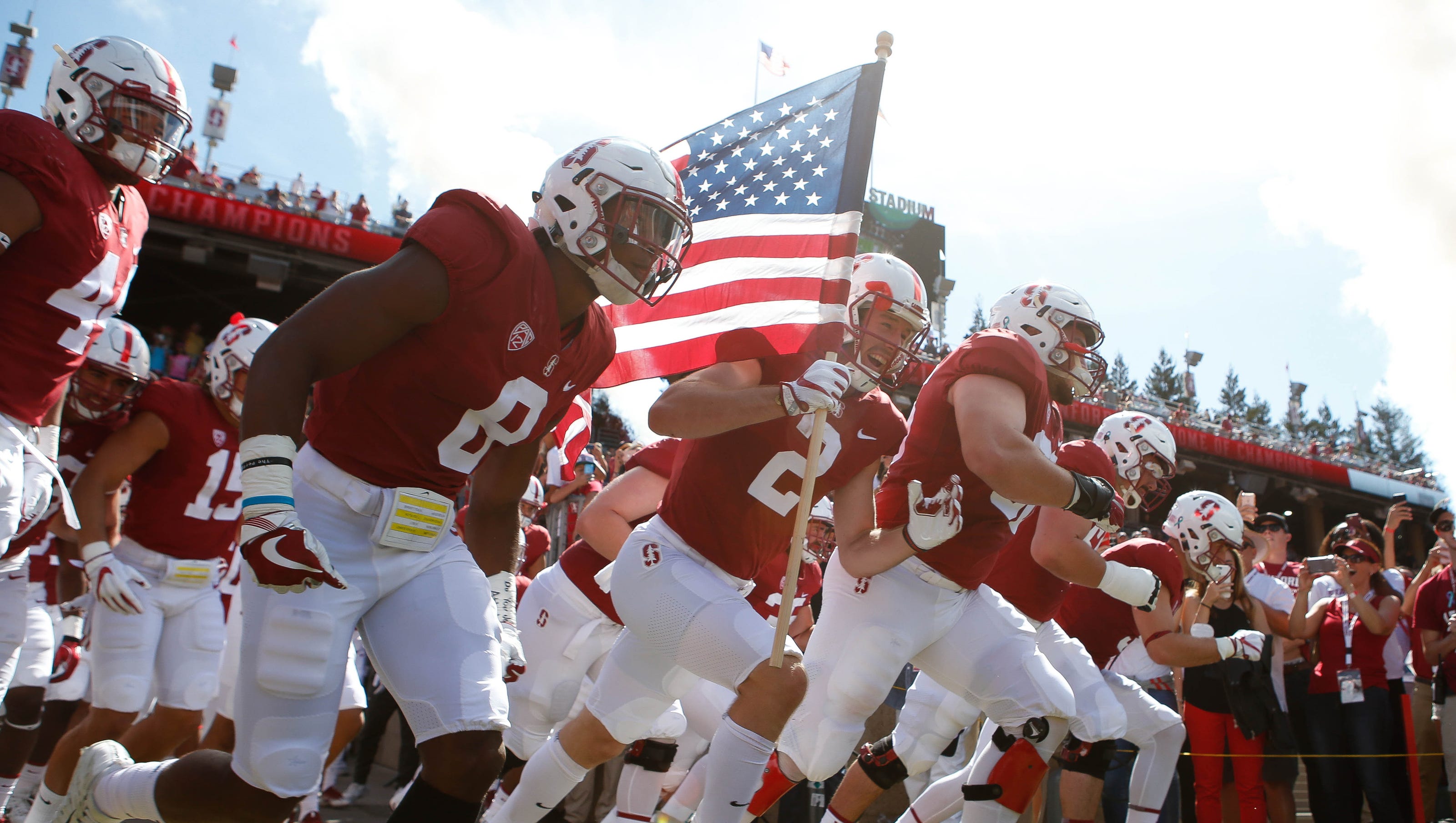
Stanford football players have formed the first-ever campus chapter of the College Football Players Association, marking a milestone in the push to unionize college athletes. USA Today reported that more than 50 Cardinal players attended a June informational meeting, with Fisher Anderson and Ernest Cooper elected as player representatives.
The College Football Players Association, known as the CFBPA, was founded five years ago as an athlete advocacy group. Stanford's new chapter is the first to meet the membership threshold needed to elect official representatives, according to Yahoo Sports.
How the Chapter-by-Chapter Strategy Works
The CFBPA is not trying to build one giant union all at once. Instead, it wants to form chapters at schools across the country, then group them by conference. Those conference-level groups would become the bargaining units — the official bodies that negotiate on players' behalf. Think of it like the NFL Players Association, but built from the ground up, one campus at a time.
CFBPA executive director Jason Stahl described Stanford's chapter as a "precursor to a broader bargaining unit," according to Yahoo Sports. The long-term goal is to get conferences like the ACC to voluntarily recognize the player groups and negotiate with them directly.
Two Roads to Legal Protection for College Athletes
Organizers see two possible paths forward. The first is building a formal union through the chapter system, which would give players legal standing to bargain. The second is pushing Congress to give the NCAA an antitrust exemption — a legal carve-out that would let the NCAA set rules like a salary cap and transfer limits without facing lawsuits, iHeart reported.
Both paths are complicated. Union organizing requires sustained player involvement across dozens of schools. Congressional action requires political will that has so far been hard to find. Organizers say either route could take years to complete.
Why Previous Unionization Attempts Fell Short
This is not the first time college athletes have tried to organize. Earlier efforts failed because they tried to build a single, school-based bargaining unit. Courts and regulators pushed back, and momentum faded. The CFBPA's conference-based model is designed to avoid those same legal dead ends, according to USA Today.
College football's rapid professionalization — driven by NIL deals, revenue sharing, and multimillion-dollar coaching contracts — has given organizers a stronger argument. "This reflects how much the sport has changed," leaders say. Players are generating billions of dollars. The question is whether they can get a seat at the table.
What Comes Next as Other Programs Eye Chapters
Several other programs are reportedly considering forming their own chapters, though no names have been confirmed publicly. Stanford leaders caution that building real momentum will take time and sustained player involvement. Any actual bargaining with ACC officials is likely still years away, Yahoo Sports reported.
For now, the Stanford chapter stands as an early proof of concept. Fisher Anderson and Ernest Cooper will serve as the team's official representatives as the CFBPA works to expand its footprint. The organization's goal is simple to state but hard to achieve: give college football players a real voice in the sport they power.
Sentiment
Mostly NegativeNEGATIVENEUTRALPOSITIVE
Publishers
18
Articles
73
Reach
91
A
AnonymousAuthor


