Pilot Drug Bust
Malaysian Pilot Arrested in Jakarta with Over 70,000 Ecstasy Pills
Anonymous
Key Points
1
The drug seizure comprised 70,114 ecstasy capsules (about 25.2 kg) along with methamphetamine, and authorities later confirmed the pilot tested positive for meth, MDMA and cocaine; the haul is valued at roughly Rp60 billion.
2
Indonesian Customs announced new security measures for crews, including more frequent random checks of pilots and cabin crew from both international and domestic carriers, while the dedicated crew lane remains in operation and the emphasis is on baggage screening rather than crew drug testing.
3
Investigators say the pilot was offered approximately 50,000 Malaysian ringgit to transport the drugs and are examining whether the operation involved an international trafficking network or a mastermind behind the scheme.
4
Malaysian authorities and Malaysia Airlines have indicated cooperation with Indonesian investigators and are considering sending a team to interview the suspect; Kuala Lumpur is coordinating with Jakarta, with consular support and an internal airline review also in progress.
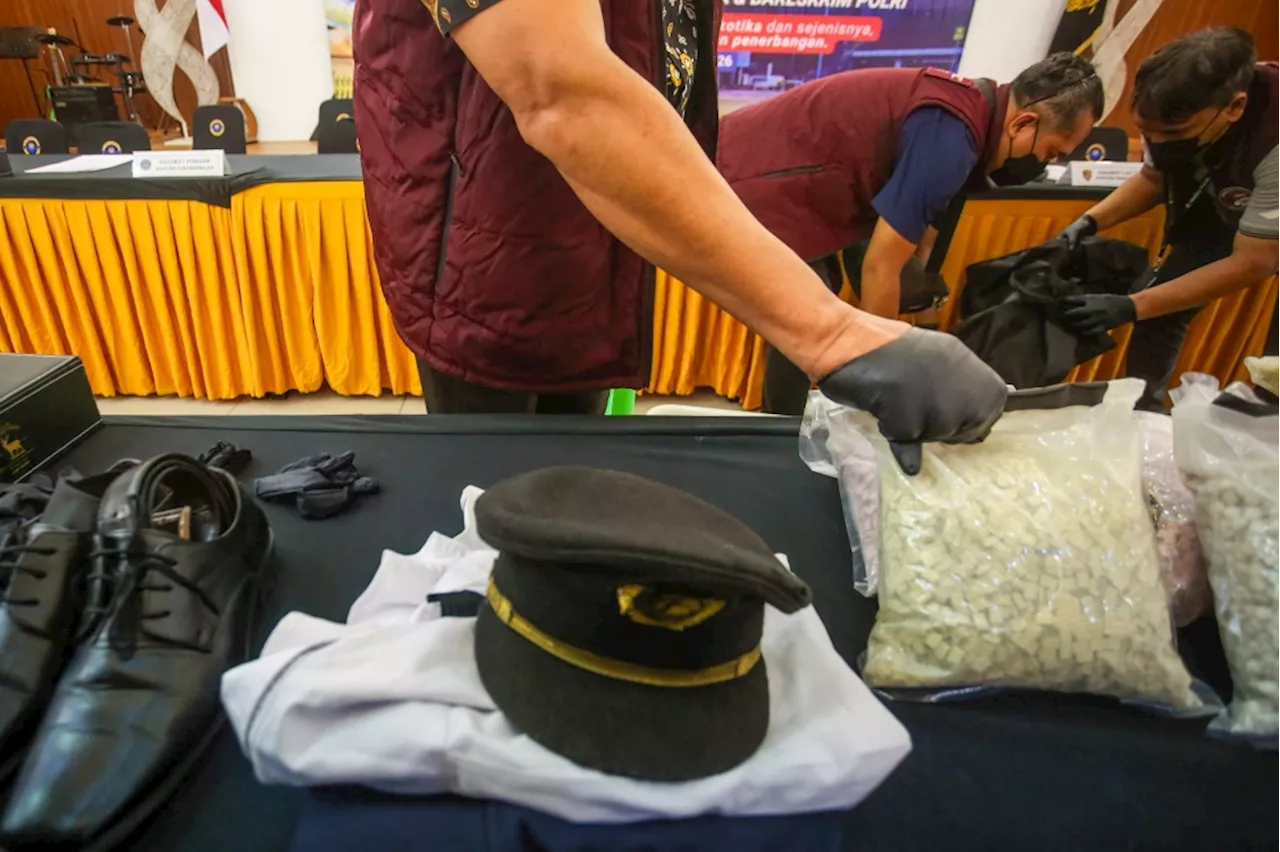
A 39-year-old Malaysia Airlines pilot was arrested at Jakarta's Soekarno-Hatta International Airport on July 28, 2026, after customs officers found more than 70,000 ecstasy pills stuffed in his luggage — then discovered he had flown 170 passengers to Jakarta while under the influence of three hard drugs. Inside Flyer reported that the pilot, identified as Mohd Saufi bin Othman, tested positive for meth, MDMA, and cocaine following his arrest.
The haul — 70,114 ecstasy capsules weighing roughly 25 kilograms, plus 4 grams of personal-use meth — is valued at around Rp60 billion (approximately $13.4 million USD), according to Head Topics. The pilot confessed to acting as a courier for a promised payment of 50,000 Malaysian ringgit (about $11,800 USD) and told investigators this was his third smuggling run.
Pilot Flew 170 Passengers While on Three Drugs
Malaysia Airlines Flight MH727 departed Kuala Lumpur at 9:50 PM local time on July 28 and landed at Jakarta's Terminal 3 just over an hour later. During routine arrival screening, X-ray machines flagged a suspicious suitcase bearing airline crew claim tags. Customs officers pulled Othman aside and found the ecstasy pills packed inside his checked bag. A urine test then came back positive for methamphetamine, MDMA, and cocaine.
The customs chief at Soekarno-Hatta, Hengky Tomuan Parlindungan Aritonang, made the stakes plain. "The results of his urine test came back positive for meth, MDMA, and cocaine," he said. "So, at the time of the flight, he was under the influence. What concerns all of us is that this person's profession is a pilot." One Mile at a Time noted that Othman was at the controls of the aircraft during the flight.
Pilot Confessed to Two Earlier Smuggling Runs
Othman told investigators this Jakarta ecstasy run was not his first. He said his first run carried meth to Sabah, Malaysia. His second run brought 7 kilograms of meth to Jakarta. This third run was the biggest — and the one that got him caught. He said a Malaysian handler offered him 50,000 ringgit to transport the drugs and that he exploited crew baggage lanes to avoid standard passenger checks.
Indonesian police believe Othman did not act alone. Brigadier General Eko Hadi Santoso, Director of Narcotics Crimes at Bareskrim Polri, said: "Investigators are still conducting further inquiries to develop the network above him." Yahoo News Malaysia reported that authorities suspect ties to an international trafficking syndicate, with accomplices still believed to be in the Jakarta area.
Indonesia Tightens Crew Lane Security After Arrest
Crew members at major airports typically pass through dedicated customs lanes with less scrutiny than regular passengers. Othman exploited this gap. Head Topics reported that Indonesian Customs announced new security measures on August 1, 2026 — just days after the arrest. Officials said crews from both international and domestic airlines would now face more frequent random baggage checks.
The dedicated crew lane stays open, but the focus shifts to physical baggage screening rather than drug testing, which remains the job of the Ministry of Transportation and individual airlines. Aviation analysts say the case exposes a broader blind spot — syndicates are actively targeting flight crews because institutional trust has kept scrutiny low for decades.
Malaysia Airlines and Kuala Lumpur Promise Full Cooperation
Malaysia Airlines moved quickly to distance itself from the incident. The airline said it "does not tolerate any form of misconduct" and launched an internal review. It declined to comment further on the specifics of the case. The Malaysian Embassy in Jakarta said it is seeking consular access for Othman and respects Indonesia's legal process.
Malaysian police headquarters, Bukit Aman, said it is coordinating with Indonesian counterparts and may send investigators to Jakarta to interview the suspect. Yahoo News Malaysia reported that authorities want to determine whether Othman worked alone or as part of a wider network. If convicted under Indonesian law — which covers trafficking more than 5 grams of Class-I narcotics — Othman faces life imprisonment or execution by firing squad.
Sentiment
Mostly NegativeNEGATIVENEUTRALPOSITIVE
Publishers
51
Articles
158
Reach
209
A
AnonymousAuthor


