Anthropic Wins Pentagon Ruling
Federal Judge Rules Pentagon Supply Chain Risk Designation For Anthropic Was Illegal
Anonymous
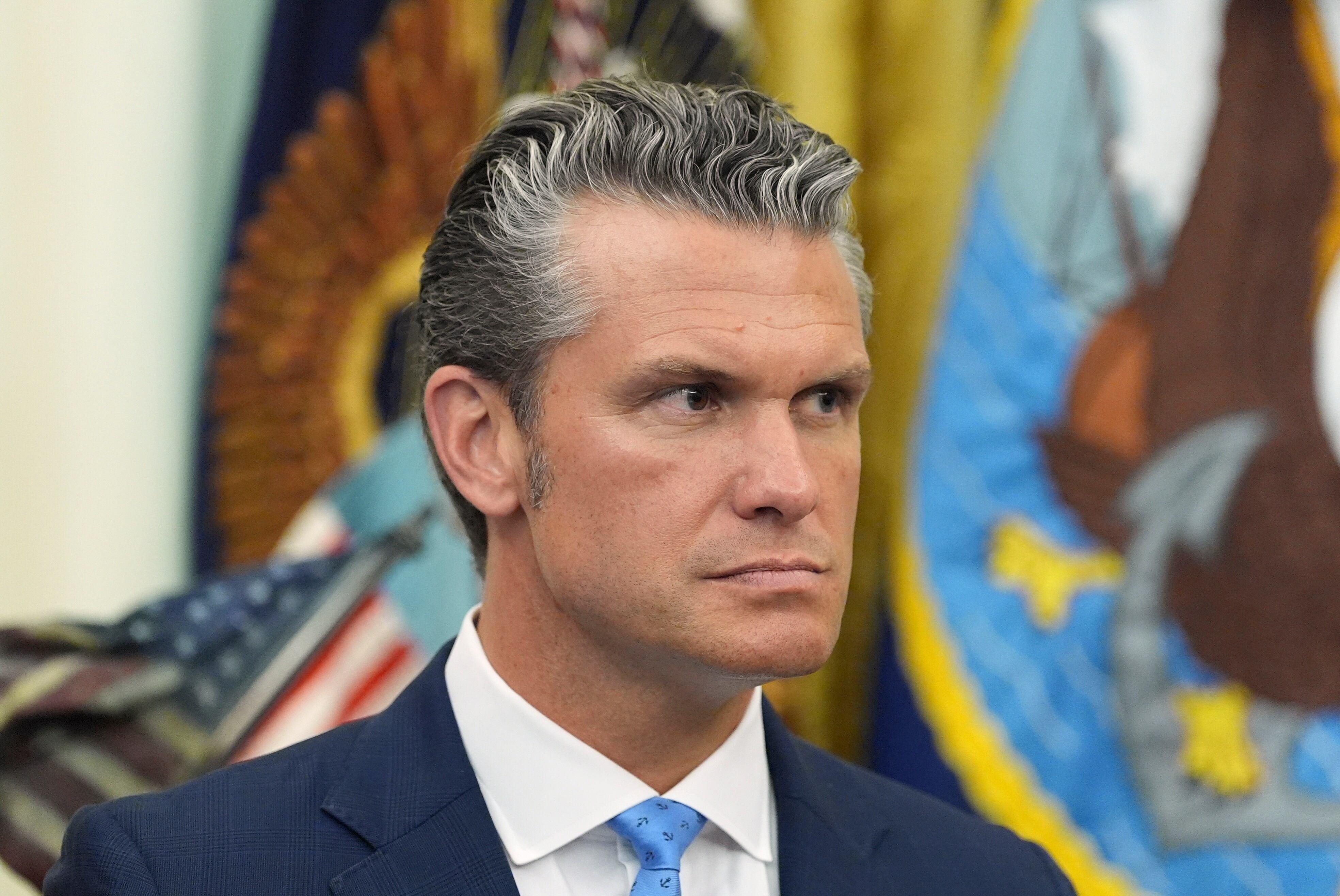
A federal judge has ruled that the Pentagon acted illegally when it blacklisted artificial intelligence company Anthropic in February, finding the government punished the company for criticizing military AI policy. U.S. District Judge Rita F. Lin determined the designation violated Anthropic's First Amendment rights and was based solely on a desire to make a public example of the company, not on evidence of actual wrongdoing. Judge Lin stated: "Nothing in the governing statute supports the Orwellian notion that an American company may be branded a potential adversary and saboteur of the U.S. for expressing disagreement with the government."
The dispute began when President Donald Trump and Defense Secretary Pete Hegseth accused Anthropic of endangering national security after the company refused to remove safety guardrails on its AI models. Those guardrails were designed to prevent the technology's use for mass surveillance and fully autonomous lethal weapons. The Trump administration is expected to appeal the ruling, while Anthropic has a separate case pending in the federal appeals court in Washington, D.C.
Why Trump Targeted Anthropic Over AI Safety Rules
In February, Defense Secretary Pete Hegseth demanded that Anthropic strip safety guardrails from its AI models to allow military operators unrestricted control. Anthropic CEO Dario Amodei refused, insisting the company would maintain ethical boundaries against weaponizing the technology. Trump administration officials then publicly attacked the company, with the president and defense secretary calling it a national security threat and issuing a supply chain risk designation — a tool normally reserved for hostile foreign entities like Huawei.
Judge Lin found the government's justification laughable. The Pentagon's entire case rested on a 4-page internal memo with zero evidence that Anthropic would sabotage military systems or push a secret "kill switch" update. The court ruled the decision was "arbitrary and capricious" and violated basic due process protections under the Fifth Amendment.
A First Amendment Victory for Tech Companies
Judge Lin's decision breaks new legal ground. This marks the first time a U.S. commercial AI company faced a supply chain risk blacklist, and the first time a court ruled such action unconstitutional retaliation for speech. The ruling protects Anthropic's right to impose ethical boundaries on military contracts without facing federal punishment.
Legal analysts view this as a landmark case limiting executive overreach. The Trump administration tried to weaponize a national security tool against a domestic company simply for disagreeing with Pentagon policy. The court's decision makes clear: companies cannot be blacklisted for exercising their First Amendment rights or for refusing to drop safety measures.
What Happens Next in Court
The Trump administration has signaled it will appeal Judge Lin's ruling, arguing the military cannot allow private vendors to impose restrictions on military technology. Acting U.S. Attorney General Todd Blanche called defending Pentagon authority a "resounding victory for military readiness" during litigation.
Meanwhile, Anthropic's separate appeal in the D.C. Circuit Court of Appeals remains pending, addressing different constitutional questions about the Pentagon's statutory authority. The two-front legal battle will likely reach higher courts before resolution. In the meantime, Judge Lin's temporary injunction restores Anthropic's eligibility for federal contracts and partnerships with defense contractors.
Sentiment
NeutralNEGATIVENEUTRALPOSITIVE
Publishers
25
Articles
24
Reach
25
A
AnonymousAuthor


