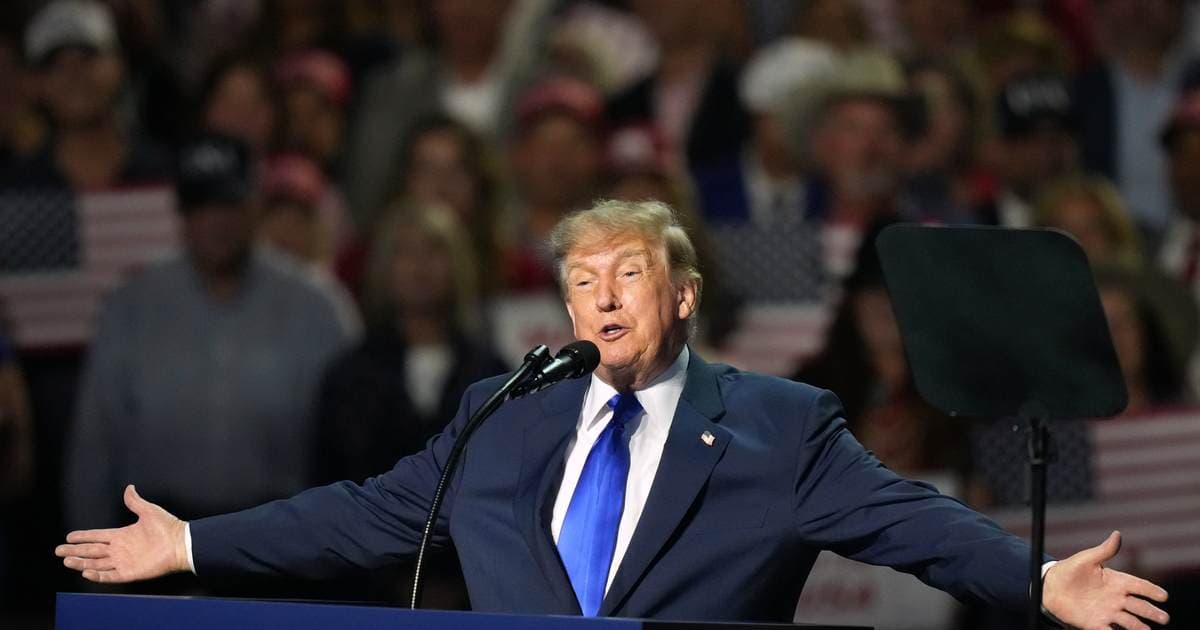
Media Pool Suspension
Major television networks suspend presidential pool coverage after the White House bars CNN.
Anonymous
Key Points
1
Fox News bureau chief Bryan Boughton said there would be “no replacement pool” after CNN was prevented from carrying out its rotation, meaning presidential events designated for pool coverage would not receive shared television coverage.
2
The suspension applies only to presidential pool assignments; coverage of Congress, VIPs and selected events in Washington and elsewhere will continue as normal.
3
CNN was scheduled to handle the pool rotation and accompany President Trump to New York for the annual United Nations General Assembly, putting the dispute directly ahead of his diplomatic trip.
4
CNN correspondent Kaitlan Collins said the practical effect was that no television camera would be with the president to broadcast and share footage with the wider press corps and networks worldwide during his activities.
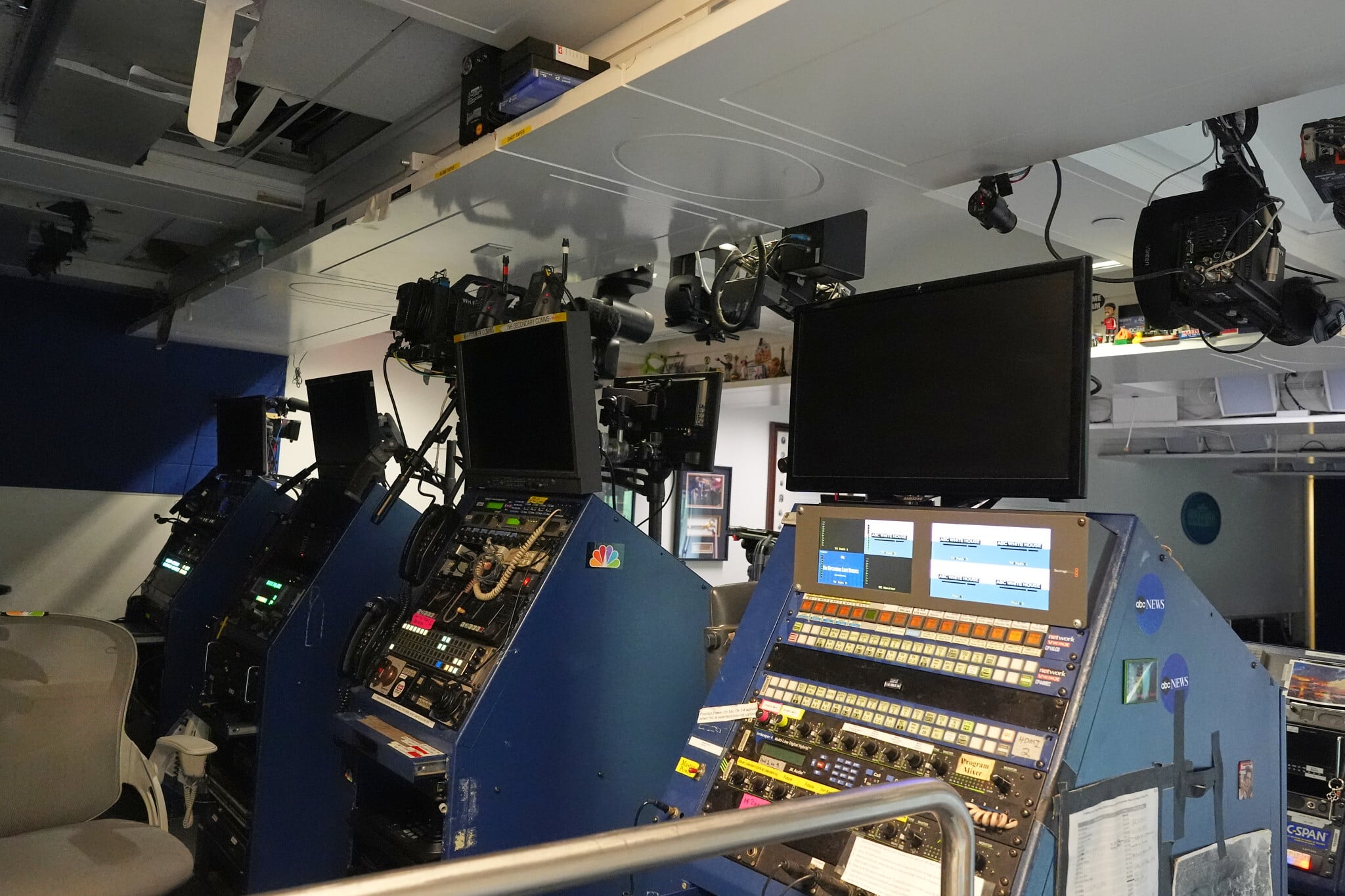
Major U.S. television networks suspended pooled coverage of President Donald Trump after the White House barred CNN from its assigned rotation. Ottawa Citizen reported that ABC, CBS, NBC and Fox News joined CNN in halting the shared footage arrangement that has served as the backbone of presidential press coverage for decades. The move marks an extraordinary show of solidarity among competing networks over press freedom.
CNN, MSNBC and Politico filed First Amendment lawsuits challenging their exclusion from the White House, Times of Israel reported. The three outlets had their office space and press passes revoked after the administration restricted their access. The dispute escalated as CNN was scheduled to handle pool rotation during President Trump's trip to the United Nations General Assembly in New York.
Networks Unite Against Presidential Pool Ban
National Post reported that all major networks — ABC, CBS, NBC and Fox News — announced they would not replace CNN's pool duties. Fox News bureau chief Bryan Boughton said there would be "no replacement pool" covering presidential events. This means no television cameras will travel with President Trump to film and share footage with newsrooms worldwide during official activities.
CNN correspondent Kaitlan Collins explained the practical impact: no independent camera would document the president's movements for the broader press corps. Vancouver Sun noted that networks characterized the ban as a test of wills between the Trump administration and the press. The five networks argued that presidents should not restrict outlets over critical reporting.
Why the Pool System Matters for News Coverage
Presidential pool coverage has existed for decades as a shared arrangement. Instead of hundreds of cameras crowding the president, one rotating network carries the assignment. That network shares raw footage with all broadcasters, newspapers and outlets worldwide. It ensures every news organization gets access to document major moments, even those without individual correspondents present.
The suspension affects only presidential pool assignments designated for shared coverage. Congress, visiting dignitaries and other selected Washington events continue with normal pool arrangements. Times of Israel reported the networks moved quickly as Trump prepared for his UN trip, where pool coverage would normally document his diplomatic activities.
Legal Challenge Over White House Press Access
CNN, MSNBC and Politico filed lawsuits arguing the bans violated the First Amendment. The outlets claimed the White House had no legal grounds to revoke press credentials and office space based on editorial decisions. Ottawa Citizen reported that administration officials defended the restrictions but offered no formal explanation for the policy.
The three networks argued the public needs independent coverage of the president's actions. Restricting access based on critical reporting sets a dangerous precedent, they contended. The networks' decision to suspend pool coverage showed they would defend press freedom principles even when it costs them access and footage.
Sentiment
Mostly NegativeNEGATIVENEUTRALPOSITIVE
Publishers
243
Articles
676
Reach
919
A
AnonymousAuthor