Global Agricultural Risks
Strong El Niño weather patterns raise severe agricultural risks across global regions.
Anonymous
Key Points
1
Kenya’s preparedness concerns are informed by past experience: the 1997–1998 Rift Valley fever outbreak in the Horn of Africa followed heavy El Niño-associated rains, while the disease was first identified in Kenya’s Rift Valley in 1931.
2
In South Africa’s Overberg District, farmers with 500-litre firefighting skid units are expected to serve as first responders to farm fires before municipal crews arrive with 5,000-litre trucks. The district recorded seven fires affecting 25,000 hectares along a 240-kilometre fire line in October and November 2025.
3
South African agricultural officials say the sector faces risks beyond El Niño, including conflicts in the Middle East and Ukraine, possible non-tariff trade barriers in European markets and instability affecting trade elsewhere in Africa. Western Cape officials noted that 66% of South Africa’s agricultural exports go to African countries.
4
New Zealand’s Treasury cited estimates that strong El Niño events have been associated with agricultural GDP declining by slightly less than 4% annually over two seasons, although analysts cautioned against drawing firm conclusions from historical comparisons.
5
New Zealand’s Treasury said agricultural prices rarely increased during El Niño years; when increases occurred, they typically emerged 12 to 18 months later as weather effects moved through the global agricultural cycle.
A strengthening El Niño is raising alarm across Southern Africa and beyond, threatening drought, crop losses, and livestock deaths during the coming farming season. NOAA forecasts a potentially record-breaking event with a 69% chance of surpassing every El Niño since records began in 1950. Quartz reports that the agency predicts major disruptions to agriculture, water supplies, and electricity generation across vulnerable regions.
Kenya faces heavy rains that could breed disease-carrying mosquitoes, while South Africa warns of intense wildfires and severe water shortages. New Zealand Treasury estimates that strong El Niño events have slashed agricultural GDP by nearly 4% annually over two seasons. Officials across all three regions are rushing to implement early-warning systems and coordinated response plans before the peak arrives.
Kenya Braces for Disease Surge After Heavy Rains
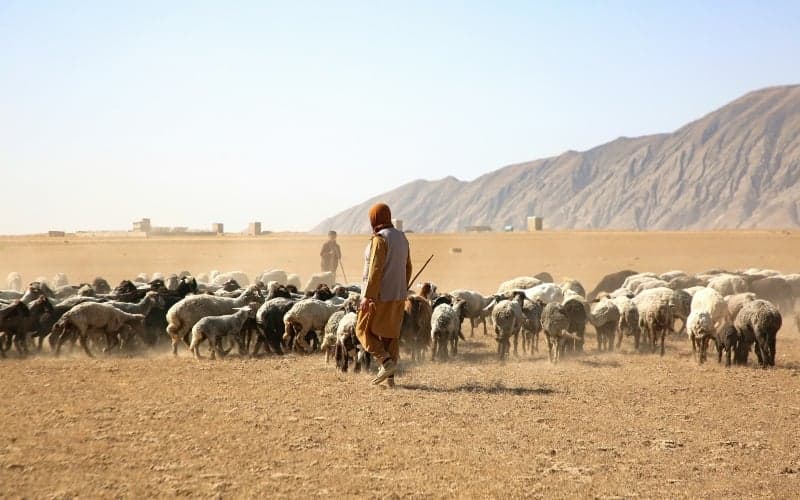
Kenya's government has warned that El Niño's heavy rains could trigger livestock deaths and disease outbreaks. Kenya State Department officials point to the 1997–1998 Rift Valley fever epidemic in the Horn of Africa, which followed similar rainfall patterns. That outbreak killed hundreds of people and devastated herds. The same disease first emerged in Kenya's Rift Valley in 1931.
While abundant rain initially helps livestock by improving grazing habitat, the standing water breeds mosquitoes that spread Rift Valley fever. The disease causes livestock deaths, abortions, and human infections with no reliable vaccine. Kenya State Department has urged farmers and herders to monitor animals closely and report sick livestock immediately to prevent rapid spread.
South Africa Mobilizes to Fight Wildfires and Water Scarcity
South Africa expects El Niño to bring lower rainfall and higher temperatures—conditions that fuel massive wildfires. In October and November 2025, the Overberg District recorded seven fires affecting 25,000 hectares across a 240-kilometre fire line. South African officials are now requiring farmers with 500-litre firefighting skid units to serve as first responders before municipal crews with 5,000-litre trucks arrive.
Water shortages pose an equally serious threat. South African agricultural leaders warn that prolonged dry conditions could cripple the entire sector. Beyond weather, farmers face Middle East and Ukraine conflicts, possible new trade barriers in Europe, and instability across Africa. Western Cape data shows 66% of South Africa's agricultural exports go to African countries—making regional stability critical.
New Zealand Braces for Wet West, Dry East, and Economic Pain
New Zealand officials are preparing for westerly wind intensification, wetter conditions in the west, and drier conditions across the north and east. New Zealand Treasury notes that the exact location and severity of drought remain uncertain. Historical data suggests strong El Niño events reduce agricultural output and lower hydropower storage—two factors that raise electricity costs.
The economic blow compounds slowly. New Zealand Treasury found that agricultural prices rarely rose during El Niño years; when increases came, they emerged 12 to 18 months later as weather effects rippled through global commodity markets. A strong El Niño can shrink agricultural GDP by nearly 4% annually across two seasons, though analysts caution against relying too heavily on historical comparisons.
Early Warning Systems and Technology Key to Survival
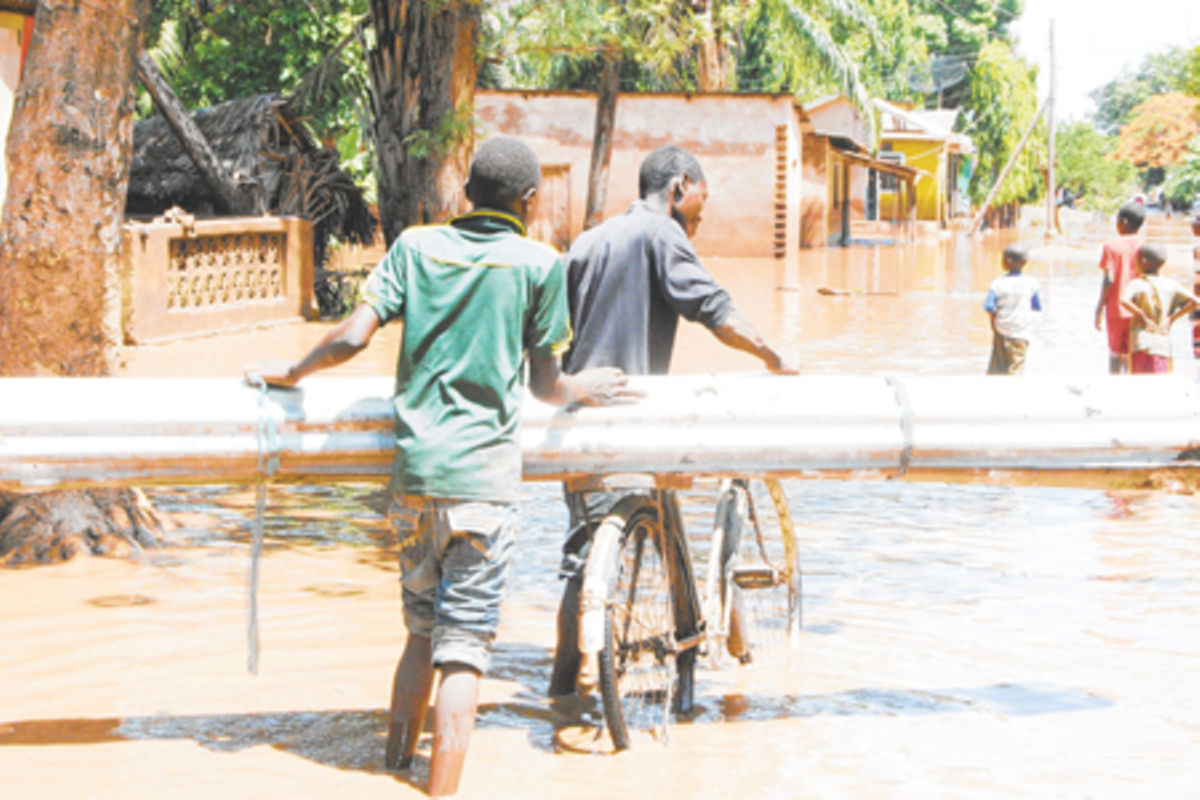
Across all three regions, officials are pushing improved early-warning systems and real-time weather updates as the primary defense. South African leaders are urging farmers to adopt new climate technologies and coordinate firefighting efforts before the El Niño peak arrives. Zanzibar's President has warned residents to avoid flood-prone areas and stockpile supplies in preparation for heavy rains.
The stakes are enormous. El Niño will test whether governments can act fast enough to prevent crop collapse, livestock deaths, and economic contraction. Nations with weak infrastructure face the highest risk. For regions already stressed by conflict, trade uncertainty, and climate volatility, this El Niño could be a breaking point.
Sentiment
Mostly NegativeNEGATIVENEUTRALPOSITIVE
Publishers
16
Articles
4
Reach
20
A
AnonymousAuthor