Apple's Next Chapter
Examining Apple's Strategic Direction Under the Leadership of John Ternus
Anonymous
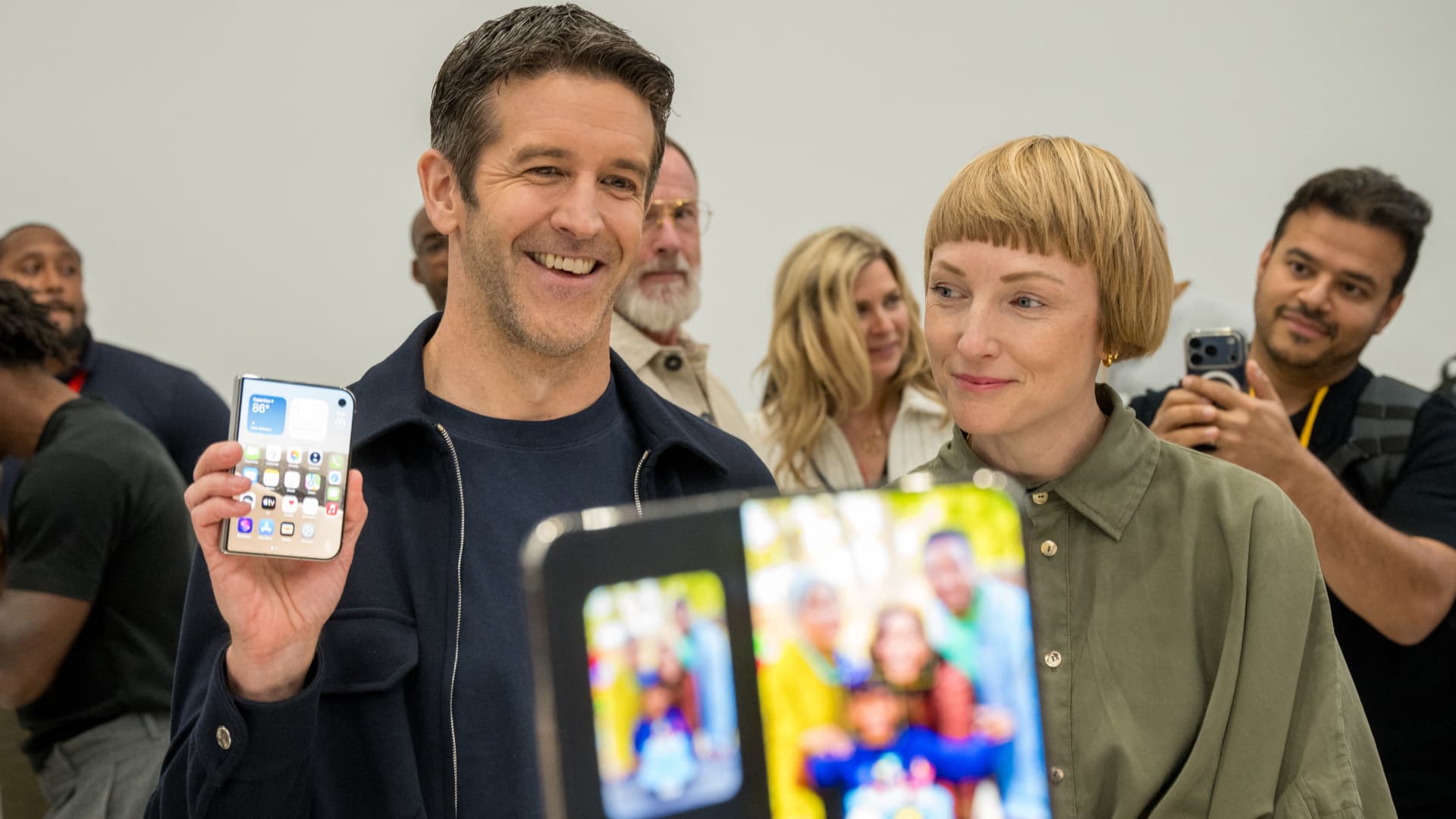
Apple named John Ternus as CEO in September 2026, ending Tim Cook's 15-year run atop the nearly $5 trillion tech giant The Verge. Within weeks, Ternus launched an aggressive overhaul: cutting over 200 engineering and program-management roles, flattening middle management, and committing to faster product launches Bloomberg. The 25-year Apple veteran is pushing the company toward continuous releases instead of rigid annual cycles, with new foldables, smart home devices, and AI-powered hardware in the pipeline Gizmodo.
Ternus, who previously led Apple's Hardware Engineering division, has made clear his mandate is to build a "leaner organization" focused on speed and engineering excellence GSMArena. On September 9, he debuted the iPhone 18 Pro and Apple's first foldable phone, the iPhone Duo—a signal of his strategy to compete harder in emerging device categories Gizmodo.
From Hardware Engineer to CEO of Apple
John Ternus spent 25 years climbing Apple's engineering ranks before assuming the top job CNBC. He joined the company in 2001 and rose to Senior Vice President of Hardware Engineering, overseeing the design and development of MacBooks, iPhones, and Apple Watches. His career path gave him deep credibility among Apple's product teams—a sharp contrast to Cook, whose background centered on operations and supply chain management.
Analysts view Ternus' appointment as a pragmatic choice to solve engineering bottlenecks and accelerate innovation CBS News. "His hardware pedigree positions him to cut red tape and get products to market faster," said observers tracking the transition. The move signals Apple's recognition that it lost competitive ground in foldables, AI devices, and smart home products while rivals like Samsung and Meta moved quicker.
Cutting Layers and Accelerating Product Cycles
Ternus wasted no time restructuring Apple's bloated middle management. Within weeks, the company cut over 200 roles across Siri, Vision Pro, and AI teams Gizmodo. Additional cuts affected roughly half a dozen directors in hardware engineering alone Bloomberg. The goal: remove decision-making friction between engineers and executives so new products ship faster.
Apple is abandoning its traditional spring-and-fall release windows in favor of continuous shipping—launching products as soon as they're ready MacRumors. This marks a dramatic pivot from Cook-era discipline. Internally, employees describe the pace as "hectic" as the company shifts gears Gizmodo. Mid-level managers, now fewer in number, worry about stretched teams and unclear priorities.
New Products Signal Strategic Shift Into Foldables and Smart Home
Ternus' first major event as CEO, on September 9, unveiled the iPhone 18 Pro series and Apple's long-awaited foldable device, the iPhone Duo Gizmodo. The move directly counters Samsung's seven-year head start in foldable phones. An October 13 event is slated to showcase Apple's renewed smart home push: an AI-powered "HomePad" smart display, a refreshed HomePod mini, and a new Apple TV 4K Times of India.
These product launches represent Ternus' answer to Apple's innovation gap. Smart glasses, camera-equipped AirPods, and continuous software updates are also on the roadmap Gizmodo. The strategy aims to build what Ternus calls a personal hub of interconnected devices while maintaining Apple's privacy-first positioning TechRadar.
Employee Anxiety Over Ongoing Restructuring
The rapid changes have unsettled Apple's workforce. Engineers and program managers face layoffs, tighter deadlines, and flattened reporting structures Entrepreneur. TheStreet documented growing anxiety among mid-level staff over unclear career paths in Ternus' leaner organization. Cost-cutting pressures, while necessary to accelerate innovation, have created friction across teams.
Despite the disruption, analysts expect Ternus' engineering-first approach to modernize Apple's corporate culture and restore the company's reputation for rapid innovation Observer. Whether employees adapt to the new pace—and whether faster product cycles translate to consumer wins against Samsung and Meta—remains the open question for Apple's next chapter.
Sentiment
Mostly NegativeNEGATIVENEUTRALPOSITIVE
Publishers
38
Articles
27
Reach
65
A
AnonymousAuthor


