Global Bond Selloff and Rate Hikes
Global Bond Selloff Pushes Yields Higher as Federal Reserve Hikes Benchmark Rates
Anonymous
Key Points
1
Bank of England Governor Andrew Bailey said inflation risks were “on the upside” because of oil-price volatility linked to the Iran war, but the article argued that the Bank of England should remain a “sensible holdout” rather than follow other central banks with another rate increase.
2
The Indian bond market was also affected by the Reserve Bank of India’s planned ₹50,000 crore open-market government-bond purchase, which the report said weighed on investor sentiment; Shinhan Bank’s Kunal Sodhani warned that the 10-year yield could test 7.25%.
3
Axis AMC’s Naveen Kulkarni said higher rates could benefit some sectors, particularly private banks, by improving their net interest margins, even as markets might initially experience a knee-jerk reaction to a rate hike.
4
Kulkarni highlighted unusually strong recent performance among Indian mid- and small-cap companies, which posted roughly 23%–30% earnings growth in the June quarter, while cautioning that the durability of the recovery matters because these stocks continue to attract flows despite premium valuations.
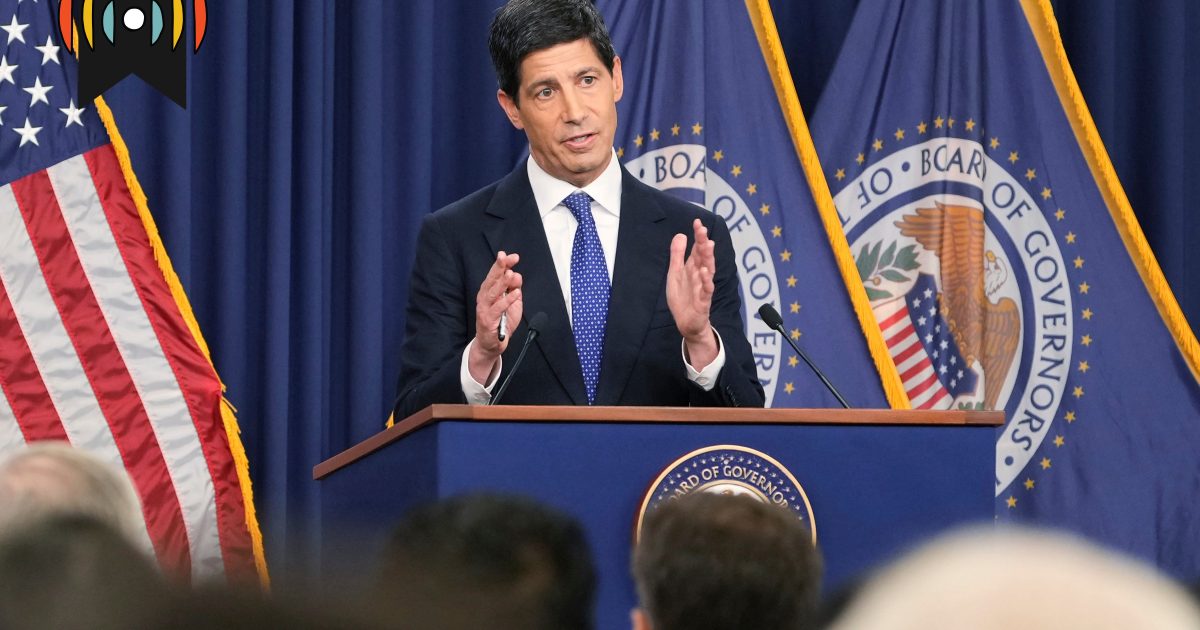
Global bond markets are in turmoil as the U.S. 10-year Treasury yield briefly surged above 5% for the first time since 2023, driven by soaring oil prices tied to Middle East tensions, persistent inflation concerns, and heavy government borrowing Share Talk. The Federal Reserve responded by raising its benchmark rate 25 basis points to 3.75%-4% on Wednesday, September 16—its first increase since 2023—while signaling more tightening could come WNG. Higher yields are pressuring long-duration bond funds, corporate debt markets, and expensive growth stocks worldwide.
The selloff extends globally. Canada's major lenders have raised fixed mortgage rates as five-year yields climbed Moneycontrol. India's 10-year government bond yield is testing 7.25%, fueled by higher inflation and expectations the Reserve Bank of India may tighten policy Moneycontrol. But not all central banks are hiking: the Bank of England held steady Thursday, with Governor Andrew Bailey calling inflation risks "on the upside" yet urging caution against rushing to raise rates amid temporary energy shocks.
The 5% Threshold That Spooked Bond Traders
On Monday, September 14, the U.S. 10-year Treasury yield touched 5.01%-5.04%, its highest point since 2023, before buyers stepped in to push it back down to 4.99% Share Talk. The iShares 20+ Year Treasury Bond ETF (TLT) hit its lowest intraday level since 2002, a sign of intense selling in long-duration bonds Share Talk. Molly Brooks, a rates strategist at TD Securities, noted that "the 5 per cent mark is clearly a key psychological level for investors—a point at which some may have earmarked for buying a dip." Oil prices, now trading at $100-$110 per barrel due to Middle East conflict, combined with heavy U.S. federal borrowing to drive the spike.
Fed Moves First as Inflation Risks Persist
The Federal Reserve raised rates by 25 basis points on Wednesday, September 16, bringing its benchmark rate to 3.75%-4.00%—the first hike in over three years Share Talk. The move was largely forced by still-elevated inflation and signs that the Fed risked losing control of the long end of the yield curve if it waited longer Share Talk. The central bank signaled that further tightening could be needed. Rising borrowing costs now threaten economic growth and put extra pressure on richly valued equities, while raising capital expenses for corporations and home buyers globally.
Bank of England Stays Calm While Others Tighten
On Thursday, September 17, the Bank of England held its rate steady at 3.75%, making it a holdout among major central banks Share Talk. Governor Andrew Bailey told UK lawmakers that inflation risks were "on the upside" due to oil-price swings tied to Iran tensions, but cautioned against jumping to rate hikes over temporary energy shocks Share Talk. The BoE faces its own pressures: mortgage volatility has surged to G7 highs, and markets are pricing in an 80% chance of a rate hike by November. Yet Bailey argues that central banks should tolerate temporary geopolitical oil spikes rather than tighten too aggressively.
India's Bond Yield Surge Tests Private Bank Appetite
India's 10-year government bond yield is climbing toward 7.25%, pressured by higher inflation, oil-price concerns, and expectations that the Reserve Bank of India may tighten Moneycontrol. The RBI's planned ₹50,000 crore open-market operation to buy government bonds weighed on investor sentiment Moneycontrol. But Naveen Kulkarni at Axis AMC says a 50-basis-point RBI rate increase won't derail corporate earnings, forecasting roughly 17% Nifty earnings growth in fiscal year 2027. Higher rates could actually benefit private-sector banks by expanding their net interest margins. Indian mid- and small-cap companies posted strong June-quarter earnings growth of 23%-30%, though their premium valuations remain a concern.
Sentiment
Mostly NegativeNEGATIVENEUTRALPOSITIVE
Publishers
118
Articles
578
Reach
696
A
AnonymousAuthor


