Interest Rate Hike
Federal Reserve Raises Benchmark Interest Rate Amid Persistent Inflation Pressures
Anonymous
Key Points
1
The rate decision was unanimous, with the Federal Open Market Committee voting 12-0 to lift the federal funds target range.
2
August consumer prices rose 3.4% from a year earlier, while the monthly increase accelerated to 0.4%—four times July’s gain—providing a recent measure of the inflation pressure behind the decision.
3
The Fed’s intended mechanism is to reduce consumer and business spending by making borrowing more expensive, which should eventually cool demand and lessen upward pressure on prices.
4
Matt Schulz of LendingTree said the immediate effect of a single quarter-point increase may be limited, but warned that the impact becomes substantial if additional hikes accumulate over time: “When this all becomes impactful to people is when you stack a few these on top of each other.”
5
The increase was the Fed’s first move of any kind since its December 2025 rate cut, and it can affect corporate borrowers through floating-rate debt while widening banks’ lending margins relative to what they pay depositors.
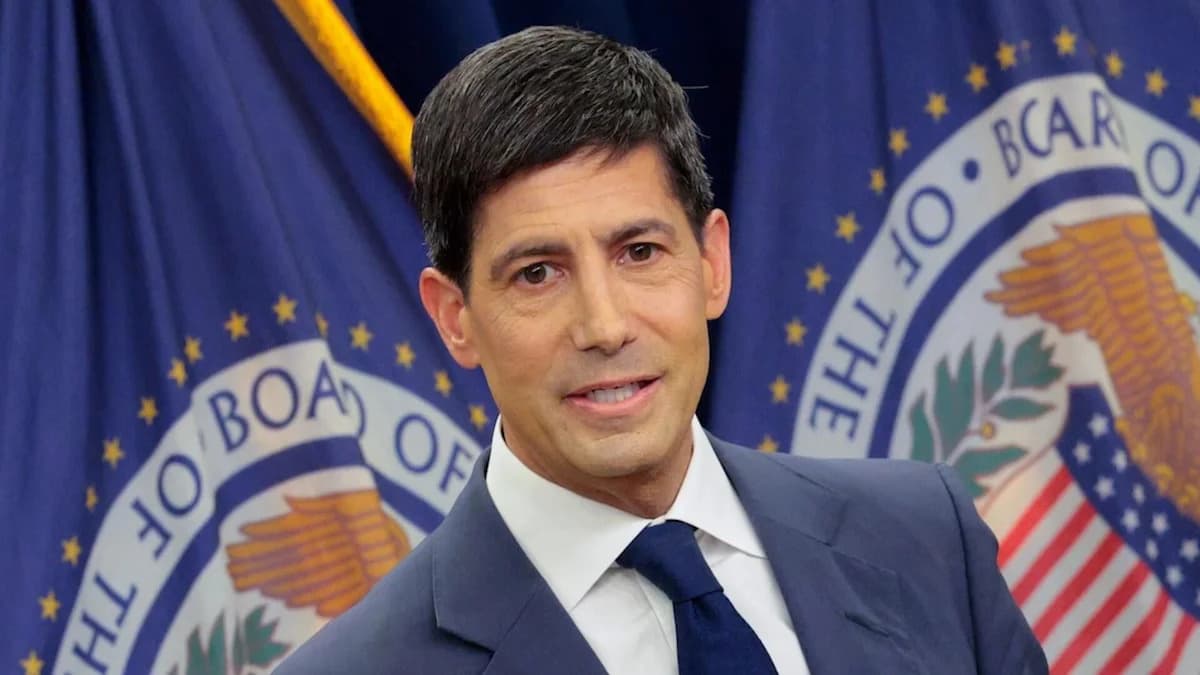
The Federal Reserve raised its benchmark interest rate by 25 basis points to 3.75%-4.00% on September 16, 2026, marking its first increase since July 2023. Chair Kevin Warsh said plainly: "Inflation is too high, and has been for too long," citing August consumer prices that jumped 0.4% in a single month—four times July's pace FirstPost.
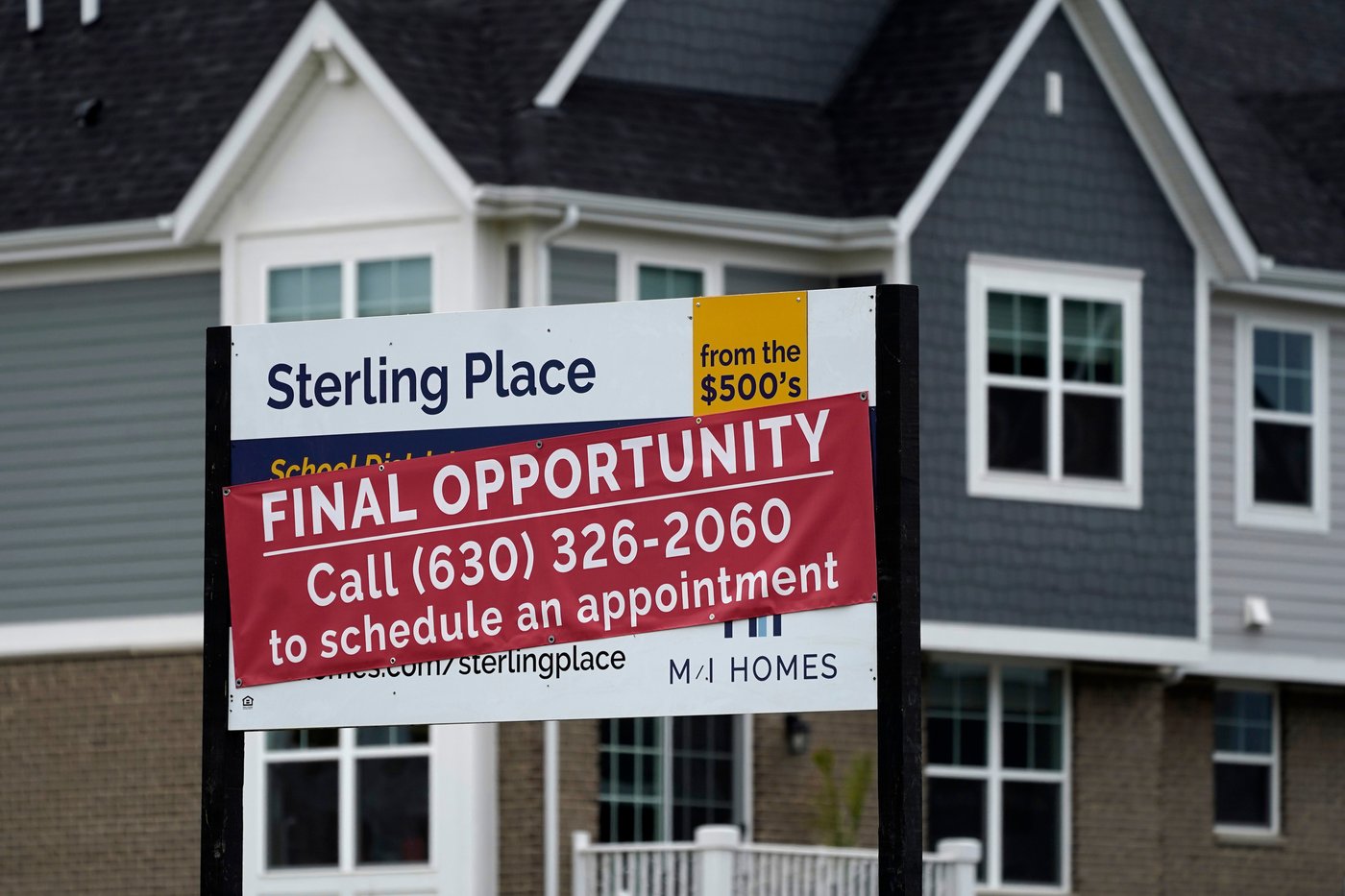
The decision was unanimous across all 12 Federal Open Market Committee members, but it defies President Trump's repeated calls for lower borrowing costs. Higher rates mean credit cards, auto loans, and home-equity lines will all get more expensive CNBC. Savers will see better returns on certificates of deposit, though 10-year Treasury yields—already near 5%—will largely determine mortgage rates Yahoo Finance.
Why the Fed Moved Now: Inflation Won't Budge
Inflation has stayed above the Fed's 2% target for over five years. August's numbers showed the problem clearly: consumer prices rose 3.4% compared to a year earlier FirstPost. Energy costs and geopolitical tensions in the Middle East pushed crude oil above $100 per barrel, spiking gasoline prices nationwide. Warsh said summer's inflation readings showed that underlying trends have "not meaningfully improved," so the Fed removed what it calls "a dose of accommodation"—meaning it's making borrowing harder to cool spending.
The Fed's strategy is straightforward: when borrowing costs rise, consumers and businesses spend less, demand falls, and prices stop climbing as fast. But economists warn this approach risks hurting workers and families because much of today's inflation comes from supply shocks—like oil shortages—that higher interest rates cannot fix. Yahoo Finance noted that savers will see modest improvements on deposit returns, but borrowers face the full brunt of the hike immediately.
The Tab Borrowers Will Pay in Coming Months
Anyone carrying a credit card balance, home-equity line of credit, or adjustable-rate auto loan will see their bills rise in coming weeks and months Now Georgia. Matt Schulz, chief analyst at LendingTree, cautioned that one 25-basis-point hike won't shock budgets immediately. But he warned: "When this all becomes impactful to people is when you stack a few of these on top of each other over time, and it adds up to something bigger."
Fixed-rate mortgages track the 10-year Treasury yield, which hit 5.04% in September—the highest level since 2007. Banks will widen their profit margins because they borrow deposits at lower rates while lending at higher ones. Corporate borrowers with floating-rate debt will also face steeper debt-servicing costs CKOM.
More Rate Hikes Likely Before Year's End
The Fed's own projections hint at additional tightening ahead. Sixteen of 19 board members expect further increases, with the median forecast pointing to a 4.1% rate by December 2026—implying at least one more 25-basis-point hike FirstPost. This marks the second-fastest shift from rate cuts to hikes since the early 1990s, happening just nine months after the Fed cut rates in December 2025.
Olu Sonola of Fitch Ratings said the Fed "has ripped off the Band-Aid, but this does not look like a one-dose cure." Rising U.S. yields are forcing global central banks—including the Bank of England—to tighten policy too, spreading economic pressure across the world. The August jobs report showed unemployment at 4.1% with solid hiring of 162,000 jobs, giving the Fed political cover to raise rates despite Trump's opposition ahead of midterm elections FirstPost.
Sentiment
Mostly NegativeNEGATIVENEUTRALPOSITIVE
Publishers
106
Articles
486
Reach
592
Topics
A
AnonymousAuthor