Midterm Campaign Tensions
Red-State Democrats Distance Themselves From Kamala Harris Ahead Of Midterms
Anonymous
Key Points
1
Nevada Attorney General Aaron Ford plans to campaign with Kamala Harris at a Las Vegas canvass lunch next month to back his gubernatorial bid, signaling overt campaign collaboration in a key battleground state.
2
Mary Peltola, the Alaska candidate, has publicly stated she isn’t seeking endorsements from anyone in the Lower 48 and will focus on Alaska, while highlighting endorsements from Alaska-specific groups (AFGE, Alaska AFL-CIO, Alaska IBEW Local 1547) and more than 10,000 volunteers.
3
Kansas Senate candidate Adam Hilton criticized a campaigner from California attempting to influence Kansans’ votes, calling it a bad idea for outsiders to tell Kansans how to vote.
4
Wisconsin challenger Rebecca Cooke asserted she doesn’t need Harris or outside help on the ground, noting she received 9,000 more votes than Harris in 2024 and will build relationships on her own.
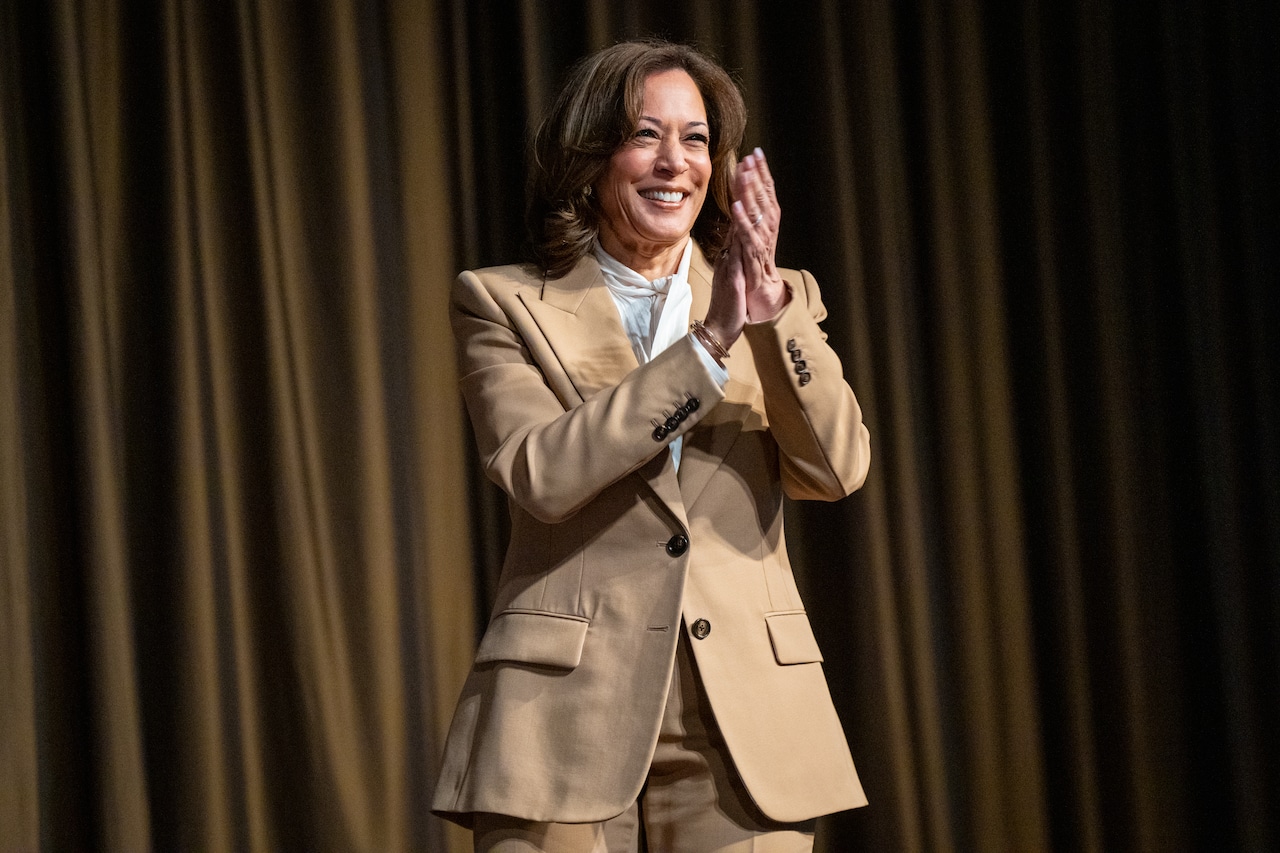
Red-state Democrats are keeping their distance from Vice President Kamala Harris as they race toward the midterms, citing local concerns over her national profile. Wisconsin challenger Rebecca Cooke, Kansas Senate hopeful Adam Hilton, and Alaska candidate Mary Peltola have all publicly declined Harris's help or endorsements, saying they can win on their own and that a federal face may hurt them in conservative districts.
Harris has pushed back on the idea that her involvement damages campaigns, saying she aims to help where effective. The dynamic reveals tension within the Democratic Party as Harris weighs a possible 2028 presidential run, while red-state Democrats worry that aligning with her could alienate rural and conservative voters who hold the key to down-ballot wins.
Why Red-State Dems Are Pushing Harris Away
Rebecca Cooke, who is challenging for office in Wisconsin, bluntly stated she does not need Harris's help on the ground. Cooke noted she actually received 9,000 more votes than Harris did in 2024, signaling she has stronger local appeal than the vice president. She plans to build relationships and win through her own ground game rather than relying on national Democratic figures.
Adam Hilton, running for Senate in Kansas, criticized outside campaigners trying to sway voters from afar. He called it a "bad idea" for people from California or other distant places to tell Kansans how to vote. This stance reflects a broader worry: national Democratic endorsements may trigger backlash in conservative areas where voters distrust coastal politics.
Alaska's Mary Peltola Sets Hard Boundaries
Mary Peltola, the Alaska candidate, has made clear she is not seeking endorsements from anyone outside Alaska. She is instead leaning on state-specific groups like the Alaska AFL-CIO and AFGE for support. Her campaign has also mobilized more than 10,000 local volunteers, showing she believes Alaska voters prefer local voices over national figures.
This strategy reflects a broader theme among red-state Democrats: winning requires connecting with voters where they live, not importing national politics into local races. Peltola's focus on Alaska-based endorsements and grassroots organizing signals that local credibility matters more than Harris's name recognition in her district.
Harris Defends Her Campaign Role
Harris has responded to the criticism by saying she supports Democrats in doing "whatever they need to win." She has rejected the notion that her involvement automatically hurts campaigns. Instead, she framed her role as flexible—ready to help where she is useful and stepping back where she is not.
Some Democrats, like Georgia's Jon Ossoff, have accepted her backing via video messages and fundraising support. This patchwork approach shows Harris has carved out selective roles in midterm races. She is focusing on building her national profile ahead of a potential 2028 bid, even as red-state Democrats chart their own course.
Sentiment
Mostly NegativeNEGATIVENEUTRALPOSITIVE
Publishers
20
Articles
24
Reach
44
A
AnonymousAuthor


