Microsoft Quantum Center
Microsoft opens new Maryland quantum center for DARPA testing and workforce training.
Anonymous
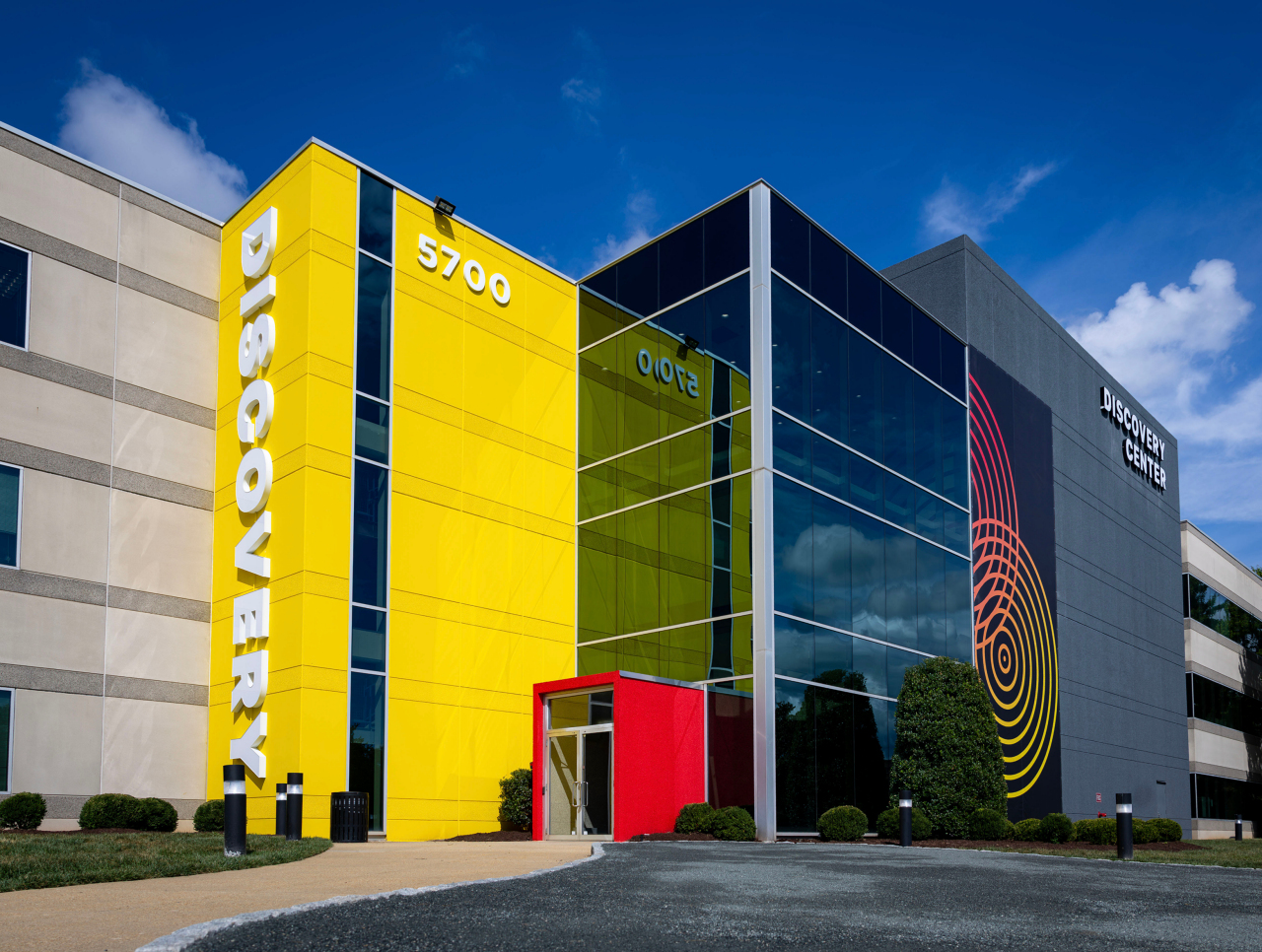
Microsoft has opened a 15,000-square-foot quantum research center in the University of Maryland’s Discovery District, combining company research space, partner laboratories, a hardware makerspace and facilities for workforce training. The center will give DARPA and its research partners on-site access to Microsoft’s latest topological quantum system, including qubits built on the Majorana 2 chip, for independent testing under DARPA’s utility-scale quantum-computing program. Microsoft says Majorana 2 uses a lead-based material stack intended to improve qubit stability and reduce error-correction demands, though outside testing is significant because aspects of the company’s approach have drawn scientific scrutiny and DARPA’s access does not itself validate the technology. The facility also includes partnerships with universities, industry and national laboratories, along with funded postdoctoral positions and annual workshops intended to advance quantum hardware development and training.
Key Points
1
Microsoft said DARPA’s evaluation partners include the Air Force Research Laboratory, Johns Hopkins University Applied Physics Laboratory, and national laboratories at Los Alamos, Oak Ridge, Lawrence Berkeley and Lawrence Livermore.
2
The hardware makerspace will use Fermilab’s open-source Quantum Instrumentation Control Kit, an FPGA/RFSoC-based control and readout framework, to train researchers in signal processing, pulse design and component integration across several quantum-computing architectures.
3
Microsoft said it has reached the final stage of DARPA’s Underexplored Systems for Utility-Scale Quantum Computing program, which is part of the agency’s broader effort to assess competing approaches for potentially useful quantum machines by 2033.
4
Microsoft described DARPA’s team as capable of evaluating the full computing stack, from hardware controls through software applications, rather than examining the chip alone.
5
The Maryland project was developed with the University of Maryland and supported by Governor Wes Moore’s state-backed Capital of Quantum initiative, linking the facility to a broader regional effort to build quantum infrastructure and talent.
Sentiment
Mostly PositiveNEGATIVENEUTRALPOSITIVE
Publishers
6
Articles
94
Reach
100
Topics
A
AnonymousAuthor


