New 2nm Processor
Samsung reportedly begins mass production of its advanced Exynos 2700 processor.
Anonymous
Key Points
1
Compared with the Exynos 2600’s first-generation SF2 process, SF2P is reported to deliver 12% better performance, use 25% less power and reduce chip area by 8%.
2
Samsung Display’s reported panel shipment target for the S27 family is 47 million to 48 million units—about 10% more than for the S26 lineup. The reported screen sizes are 6.27 inches for the S27, 6.66 inches for the S27+, 6.47 inches for the S27 Pro and 6.89 inches for the S27 Ultra.
3
The S27 Pro and S27 Ultra are both reportedly set to include the Privacy Display feature introduced with the Galaxy S26 Ultra.
4
The Exynos 2700 may use Arm C2 CPU cores, an architectural step up from the Arm C1 cores used in the Exynos 2600.
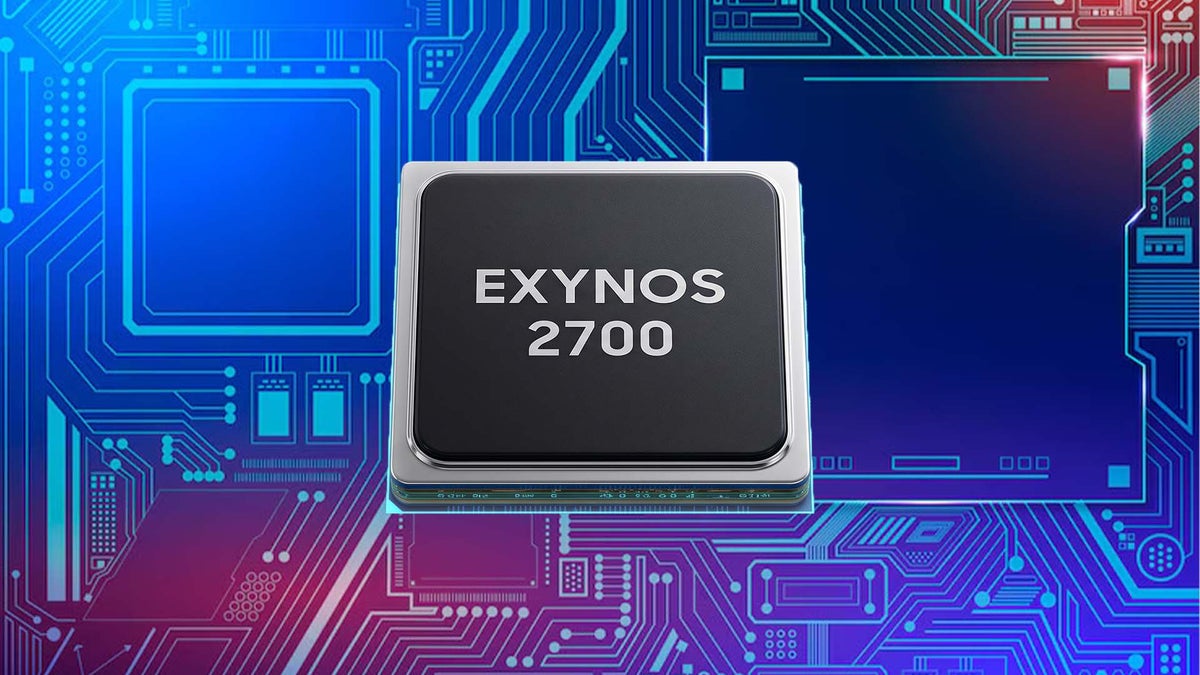
Samsung has reportedly begun mass production of its Exynos 2700 processor, ramping output more than 10% above the previous generation chip. Business Upturn reports the company is building the processor using its second-generation 2nm SF2P process, which promises 12% better performance, 25% lower power consumption, and 8% smaller chip size compared to the older Exynos 2600.
The Exynos 2700 will power the Galaxy S27, S27+, and new S27 Pro in some markets, while Snapdragon chips handle others. Phone Arena notes that the S27 Ultra's processor remains undecided—Samsung is weighing performance, heat management, and cost before choosing between its own chip or Qualcomm's Snapdragon.
New Process Node Delivers Major Power and Performance Gains
The SF2P process is a leap forward for Samsung's chip division. Cambuy reports it uses second-generation Gate-All-Around technology at 2 nanometers. The gains are concrete: 12% faster performance, 25% less power draw, and 8% smaller die area than the SF2 process used in the Exynos 2600. These improvements directly address Samsung's historic weakness—thermal throttling and battery drain compared to Qualcomm.
The Exynos 2700 also shifts to upgraded Arm C2 CPU cores, stepping up from the C1 cores in the previous generation. New packaging with an integrated Heat Path Block is designed to handle thermal stress better. An unconfirmed internal benchmark showed the Exynos 2700 leading Qualcomm's next-gen chip by 9.5% in multi-core tests, though it may lag in single-core performance.
Samsung Aims to Reclaim the Premium Segment From Qualcomm
Digital Trends states that Samsung System LSI, the division designing the Exynos, is pushing hard to use the new chip across the entire Galaxy S27 lineup—especially the expensive Ultra model. Winning the Ultra would boost Samsung's chip division margins and lower manufacturing costs. The decision hasn't been made yet. Samsung Mobile is still testing thermal performance, yields, and real-world reliability before committing.
Regional strategy is clear: Exynos 2700 chips will go into S27, S27+, and S27 Pro models sold in Europe and South Korea. North America and China will get Snapdragon versions. The S27 Ultra's processor depends on whether Samsung believes its own chip can handle the demands of a premium flagship without overheating or draining battery too quickly.
Four-Model Lineup Requires 47 to 48 Million Display Panels
Samsung Display is preparing panels for a new four-phone strategy. Business Upturn reports the display panel target is 47 million to 48 million units—about 10% more than the S26 lineup. Screen sizes are 6.27 inches for the S27, 6.66 inches for the S27+, 6.47 inches for the new S27 Pro, and 6.89 inches for the S27 Ultra.
The S27 Pro is the new mid-tier flagship, filling a gap between the base Plus model and the Ultra. Both the Pro and Ultra will include Privacy Display, a hardware feature that restricts screen visibility to side angles. The entire S27 family is expected to launch in early 2027.
Sentiment
Mostly PositiveNEGATIVENEUTRALPOSITIVE
Publishers
26
Articles
17
Reach
43
A
AnonymousAuthor


