US-South Africa Rift
US Imposes New Visa Restrictions on South Africa Amid Deepening Diplomatic Rift
Anonymous
Key Points
1
The visa policy was imposed under Section 212(a)(3)(C) of the U.S. Immigration and Nationality Act, targeting foreign nationals involved in enacting or implementing policies that Washington says enable uncompensated land seizures, racial discrimination or incitement of imminent violence.
2
The United States did not immediately identify any individuals who would be subject to the new restrictions.
3
Rubio specifically accused South Africa of failing to address rural crime and what he called “violent and dehumanizing rhetoric” against Afrikaners and other minority populations, saying such conduct undermines peace, economic stability and the rule of law.
4
South Africa has offered the United States a “generous” new trade deal in an effort to avoid tariffs that could worsen job losses amid the country’s severe unemployment crisis.
5
The United States has created a special resettlement program through which thousands of Afrikaners have been allowed to settle in the country, despite the Trump administration’s broader restrictions on immigration.
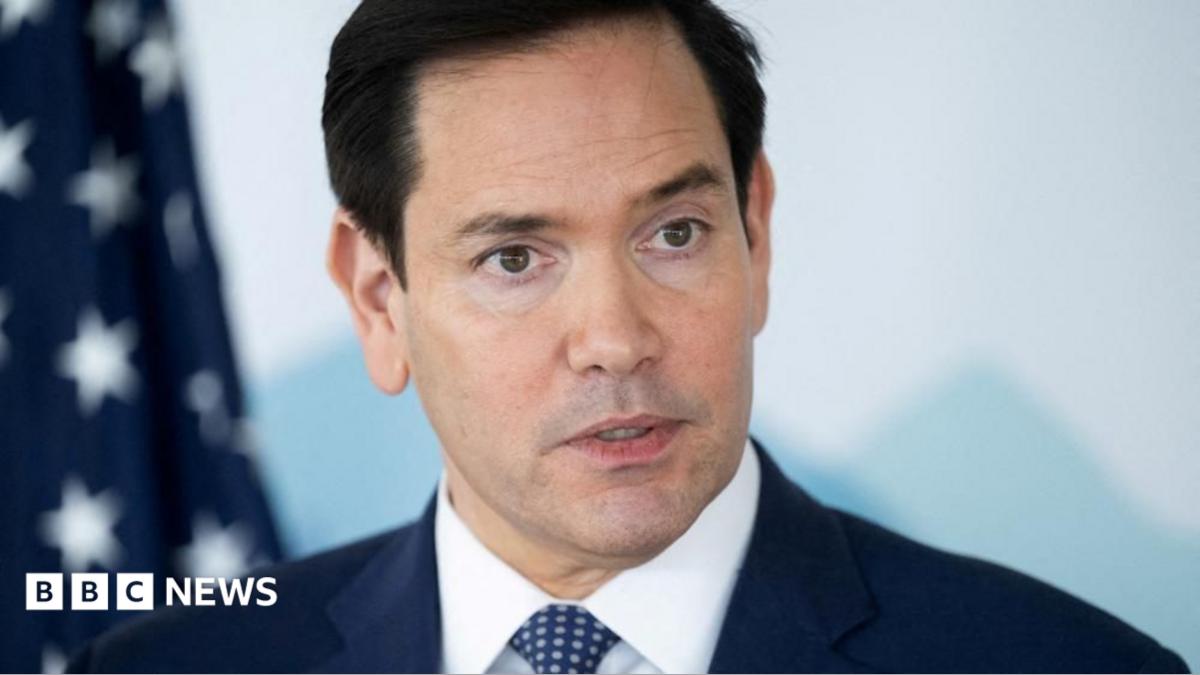
The United States has announced visa restrictions targeting foreign nationals in South Africa accused of enabling uncompensated land seizures and racial discrimination. Secretary of State Marco Rubio said the Trump administration views South Africa's government as failing to protect Afrikaners and other minorities, marking the deepest diplomatic rift between the two countries in decades. The move follows earlier US aid cuts, tariffs, and an ambassador expulsion.
South Africa firmly rejects the allegations, saying its land-reform law addresses inequalities created under apartheid and includes court protections. The country holds just over 7% white population yet white South Africans own most private farmland. Pretoria calls the US measures unjustified interference in sovereign constitutional law.
How the Visa Ban Works and Who's Targeted
The restrictions invoke Section 212(a)(3)(C) of the US Immigration and Nationality Act, which lets the Secretary of State block entry by foreign nationals if their presence poses "potentially serious adverse foreign policy consequences." Rubio specifically accused South Africa of failing to address rural crime and "violent and dehumanizing rhetoric" against minorities. No specific individuals have been named yet.
The Land Reform Law Dispute at the Heart of the Conflict
South Africa's land-reform legislation seeks to redistribute property and address apartheid-era dispossession. The law allows government expropriation but South Africa argues it includes judicial review and explicitly prohibits arbitrary seizures. White South Africans, comprising just over 7% of the population, historically hold most commercially valuable farmland. This structural inequality drives the reform debate.
Secretary Rubio frames the issue as civil rights, calling South Africa's approach "government-sponsored discrimination." Legal experts in Pretoria counter that land reform is constitutionally mandated redress, not persecution. The disagreement reflects deeper tensions over how post-apartheid nations address historical wrongs while protecting property rights.
A Broader US-South Africa Breakdown
The visa restrictions cap months of escalating US pressure. Washington has already cut foreign aid, imposed tariffs, expelled South Africa's ambassador, and created a special resettlement program for Afrikaners. Senator Tim Kaine challenged the administration, asking whether it applies "a different standard based on skin color" by fast-tracking 59 Afrikaners for refugee status while freezing programs elsewhere.
South Africa offered the US a "generous" new trade deal to avoid further tariffs. The country faces severe unemployment and economic instability. Expelling the ambassador and targeting officials pushes relations to their lowest point since the apartheid era ended, threatening South Africa's trade access and destabilizing a key African partner.
International Criticism Over Selective Focus
Human rights observers and international analysts question why the administration prioritizes Afrikaners while restricting refugee programs for other global populations in crisis. International commentators call the approach politically motivated, noting it elevates one group's grievances above documented crises elsewhere. The contrast highlights broader questions about whether the visa ban reflects genuine human rights concerns or geopolitical maneuvering.
Sentiment
Mostly NegativeNEGATIVENEUTRALPOSITIVE
Publishers
44
Articles
164
Reach
208
A
AnonymousAuthor


