G20 Consensus Blocked
China blocks G20 consensus at finance ministers meeting over economic imbalances and policies
Anonymous
Key Points
1
US Treasury Secretary Scott Bessent characterized China’s large current account surplus as 'the world’s largest and unsustainable current account surplus' and warned that 'non-market based economies pushing out a never-ending spring of cheap exports is not sustainable.'
2
A European official described the failure to issue a joint communiqué as a 'lost opportunity for the global economy,' underscoring the cost of the disagreement over supply-chain and non-market policy language.
3
China’s 2025 trade surplus with the European Union reached €360 billion, illustrating the scale of export-driven imbalances cited in the discussions.
4
The chair’s statement backed by all members except China included references to IMF monitoring of trade imbalances and debt restructuring, and to improving data used to assess such policies, which Beijing opposed.
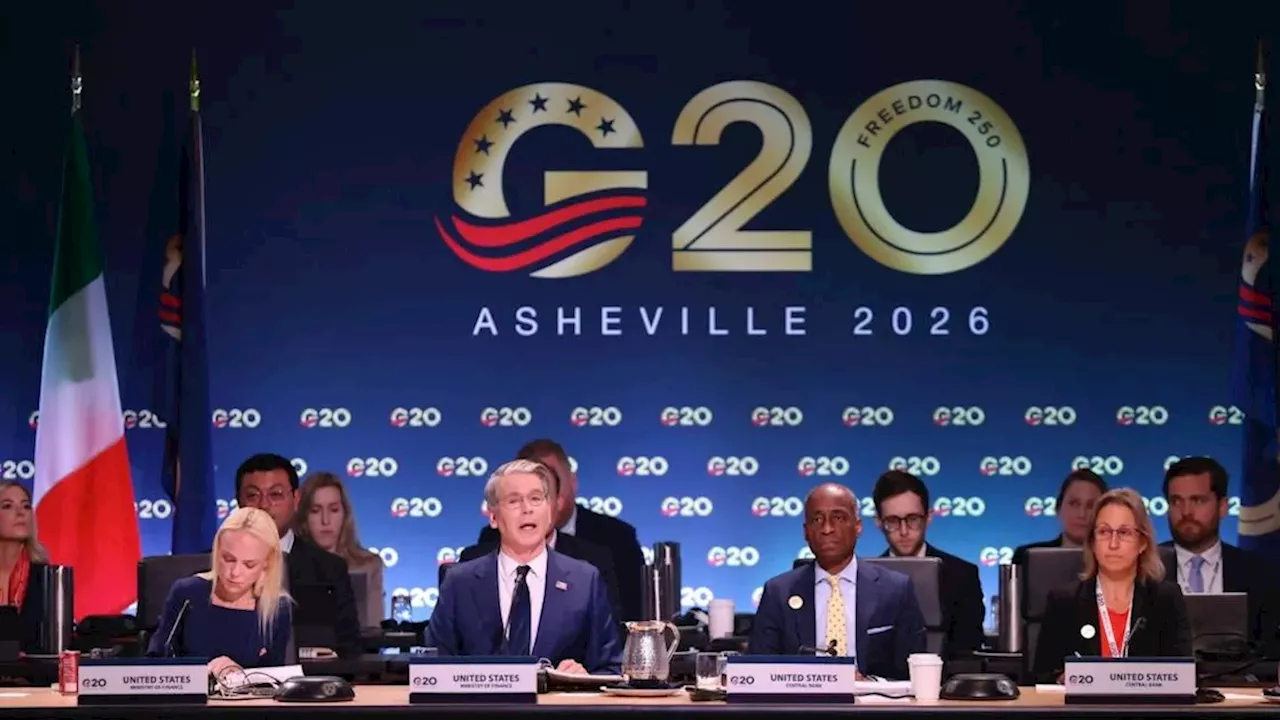
China blocked consensus at the G20 finance ministers' summit in Asheville, preventing the group from issuing a joint communiqué for the first time. democrata.es reported that Beijing objected to language on non-market policies and global trade imbalances, forcing the US to release a chair's statement backed by all 19 other members. The dispute marks a fresh flashpoint in US-China tensions over trade and export-driven growth.
Reuters characterized the disagreement as a significant missed opportunity for global economic coordination. Treasury Secretary Scott Bessent called China's surplus "the world's largest and unsustainable," warning that "non-market based economies pushing out a never-ending spring of cheap exports is not sustainable." Beijing's Foreign Ministry spokesperson Guo Jiakun said China regrets the lack of a communiqué and called for "objective, fair coordination" within the G20 framework.
What China Rejected at the Summit
Beijing opposed multiple passages in the draft statement, including proposals to improve data used to assess non-market policies and language tied to energy supply chains and the Strait of Hormuz. slguardian.org reported that China's resistance centered on US efforts to rally G20 support against what Washington calls distortive trade practices. The chair's statement that passed included references to IMF monitoring of trade imbalances and debt restructuring.
The Scale of China's Trade Imbalances
China's trade surplus underscores why the G20 debate matters. Reuters noted that Beijing's 2025 surplus with the European Union alone reached €360 billion, illustrating the scale of export-driven imbalances at the center of the dispute. US officials argue this pattern—fueled by state subsidies and non-market policies—unfairly disadvantages other economies and distorts global markets.
A Rare Unified Stand Against Beijing
The chair's statement represents unusual consensus. All 19 other G20 members—including traditional Chinese allies—backed the language on non-market policies and trade imbalances. sg.headtopics.com reported that the US Treasury won support from financial leaders across Europe, Asia, and Latin America to act against practices that cause "over-reliance on exports." A European official told Reuters that the failure to issue a joint communiqué was a "lost opportunity for the global economy."
What Comes Next for US-China Relations
The dispute unfolds weeks before Chinese President Xi Jinping's planned visit to Washington. globaltimes.cn reported that China expressed "deep regret" over the lack of a communiqué, framing it as a failure of the entire G20 process rather than Beijing's sole responsibility. Analysts warn that the breakdown signals broader challenges in coordinating global macroeconomic policy amid rising US-China competition over trade, technology, and economic influence.
Sentiment
Mostly NegativeNEGATIVENEUTRALPOSITIVE
Publishers
10
Articles
24
Reach
34
A
AnonymousAuthor


