G20 Export Disagreement
Nineteen G20 Finance Ministers Agree That Cheap Exports Are Unsustainable
Anonymous
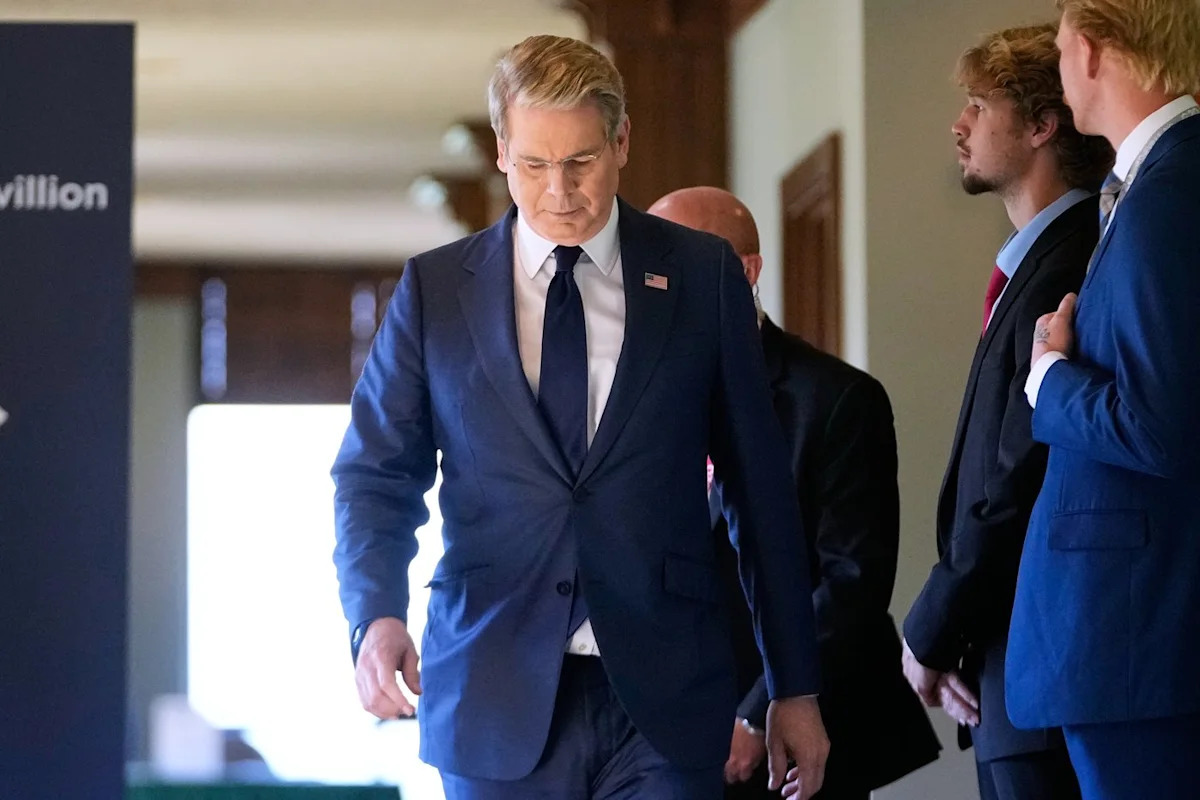
Treasury Secretary Scott Bessent announced that 19 of the G20's finance ministers agreed that cheap exports harm the global economy—but China refused to join the consensus. Bessent called the agreement "incredible" and said it shows how serious the problem has become. The G20 includes the world's 20 largest economies, and China's absence from this deal is a major split.
Bessent has criticized China's trade surplus, which hit a record $1.2 trillion in 2025. He is pushing other countries to use tariffs and trade measures to address global economic imbalances. The Trump administration believes cheap exports from countries like China undercut workers and businesses worldwide.
The G20 Split Over Cheap Exports
Reuters coverage shows that 19 finance ministers from the world's largest economies agreed to tackle the problem of countries flooding global markets with artificially cheap goods. This practice lets countries export more than they import, creating imbalances. China's refusal to sign on highlights deep divisions in global trade policy between the U.S. and Beijing.
Bessent said getting 19 countries to agree on this issue is a breakthrough. It suggests most major economies now accept that cheap exports create problems for workers and businesses in other countries. China's position puts it at odds with nearly every other major economy on trade fairness.
China's Record Trade Surplus Fuels the Dispute
China's trade surplus—the gap between what it sells and what it buys—reached $1.2 trillion in 2025, the highest ever recorded. Financial analysts point out that this huge surplus means China exports far more than it imports. Bessent blames this imbalance for hurting economic growth in other countries that buy Chinese goods.
The large surplus lets Chinese companies keep prices artificially low by relying on government support and cheap labor. This gives them an unfair advantage in global markets. Other countries say their own manufacturers cannot compete on equal terms.
The Trump Administration's Tariff Push Continues
The U.S. is using tariffs—taxes on imports—as its main tool to fight cheap exports. Trump administration officials say tariffs force other countries to raise prices and stop flooding markets with discounted goods. However, critics argue tariffs raise costs for American shoppers and hurt U.S. businesses that rely on imports.
A UK court ruled in February that some of Trump's broad tariffs violated constitutional limits on emergency powers. Despite legal challenges, Bessent and other officials say tariffs are necessary to restore fair global trade. The G20 agreement suggests most nations now support some form of trade action against countries with huge surpluses.
Sentiment
NeutralNEGATIVENEUTRALPOSITIVE
Publishers
11
Articles
11
Reach
11
A
AnonymousAuthor


