Delphi Appeal
Attorneys for Richard Allen argue before appeals court for a new trial.
Anonymous
Key Points
1
Allen’s attorneys filed 1,200 pages of additional material from a September 2023 Franks hearing, including investigator depositions and evidence supporting the defense’s Odinism-related alternative theory. The filing included social-media posts by Brad Holder, a confirmed Odinist who had been considered a possible suspect and whose daughter was friends with one of the victims.
2
The defense says Allen made 61 confessions or other incriminating statements while held in a maximum-security prison, arguing that his mental state made those statements unreliable or inadmissible.
3
The investigation produced no arrest for years; according to one account, the case gained new momentum in fall 2022 after a previously missing investigative report was found and sent detectives looking for Allen.
4
The appeal is being argued at the Indiana Statehouse, where the Court of Appeals will review whether Allen received a fair trial rather than reconsidering his guilt or innocence.
5
Allen is serving his sentence at a prison in Oklahoma after being transferred there under an interstate compact agreement with Indiana; he was credited with 786 days already served.
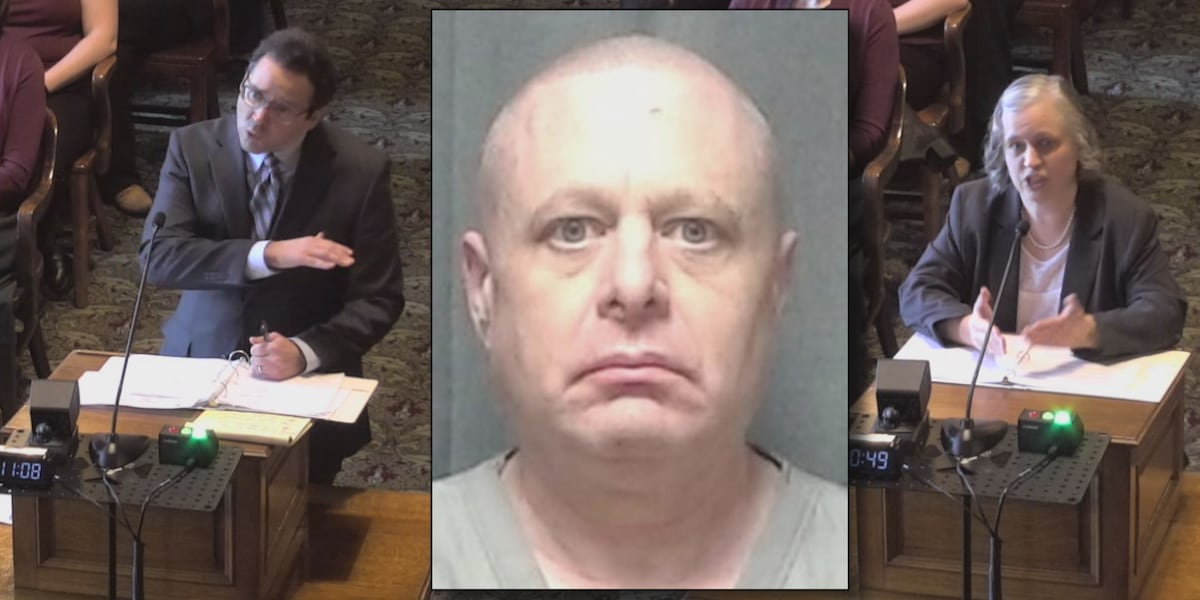
Richard Allen's attorneys argued before Indiana's Court of Appeals on September 21 that his 2024 murder conviction should be overturned and he deserves a new trial. WRTV reported that Allen's lawyers called the trial "unfair and unconstitutional," challenging the validity of his search warrant, his 61 prison confessions, and evidence the judge blocked from the jury. Allen was sentenced to 130 years for the 2017 murders of teenagers Liberty German and Abigail Williams near Delphi, Indiana.
The three-judge panel at the Indiana Statehouse pressed prosecutors hard during the 90-minute hearing, according to CBS News, questioning why jurors saw videos of Allen's erratic behavior but heard no audio where he claimed to start World War III. The court will decide if Allen got a fair trial, not whether he is guilty or innocent.
The Case That Took Five Years to Crack
Abigail Williams and Liberty German disappeared on February 13, 2017, near the Monon High Bridge Trail in Delphi. Their bodies were found the next day along Deer Creek. For five years, the case remained unsolved until a missing 2017 investigative report surfaced in fall 2022. NewsNation reported that the rediscovered tip led detectives to Richard Allen, a local pharmacy technician with no criminal history, who was arrested in October 2022.
Allen's Prison Confessions and Mental Deterioration
Allen made 61 confessions or incriminating statements while held in maximum-security solitary confinement before trial, according to his attorneys. The defense argues his mental state—extreme psychosis—made these statements unreliable and involuntary. WNDU reported that judges questioned why videos of Allen's erratic prison behavior were shown to jurors without the audio where he made bizarre claims about his identity and actions.
Prosecutors countered that Allen's statements remained incriminating even after he improved with medication. The state also argued the confessions were voluntary and admissible under Indiana law. Allen was credited with 786 days already served before being transferred to an Oklahoma prison under an interstate compact agreement.
The Blocked Evidence: Alternative Suspects and Ritualistic Theories
Trial Judge Fran Gull barred the defense from presenting evidence about an alternative theory: that the murders were ritualistic Odinist sacrifices. Allen's attorneys submitted 1,200 pages of supplementary materials, including social-media posts from Brad Holder, a confirmed Odinist whose daughter was friends with one victim. CBS News reported that the three-judge panel questioned why this third-party suspect evidence was excluded.
The appellate judges also pressed the state on other exclusions. A police composite sketch depicting someone who looked nothing like Allen was kept from the jury. Expert testimony about ballistics toolmark reliability on an unfired bullet was blocked. The judges wanted to know why jurors never heard these details.
What the Defense and State Are Arguing
Defense counsel Mark Leeman told the court that police suffered from "confirmation bias" and manipulated evidence. He argued: "We live in a world where one or two things happen here: A pharmacy tech with no criminal history goes out for a walk and decides to gruesomely murder two girls. Or, we live in a world where the police through confirmation bias failed to find the right guy." WRTV reported his claim that law enforcement suppressed evidence pointing elsewhere.
Deputy Attorney General Ellen Meilaender defended the conviction, saying Allen "identified himself as Bridge Guy in his statements to police" and linked himself to the crime scene. She argued any procedural errors were harmless and the search warrant was constitutional. The appellate panel took the case under advisement with no deadline set for a ruling.
Sentiment
Mostly NegativeNEGATIVENEUTRALPOSITIVE
Publishers
32
Articles
18
Reach
50
A
AnonymousAuthor


