Cargo Bike Boom
Electric Cargo Bikes Are Gaining Popularity as Families Seek Car Alternatives
Anonymous
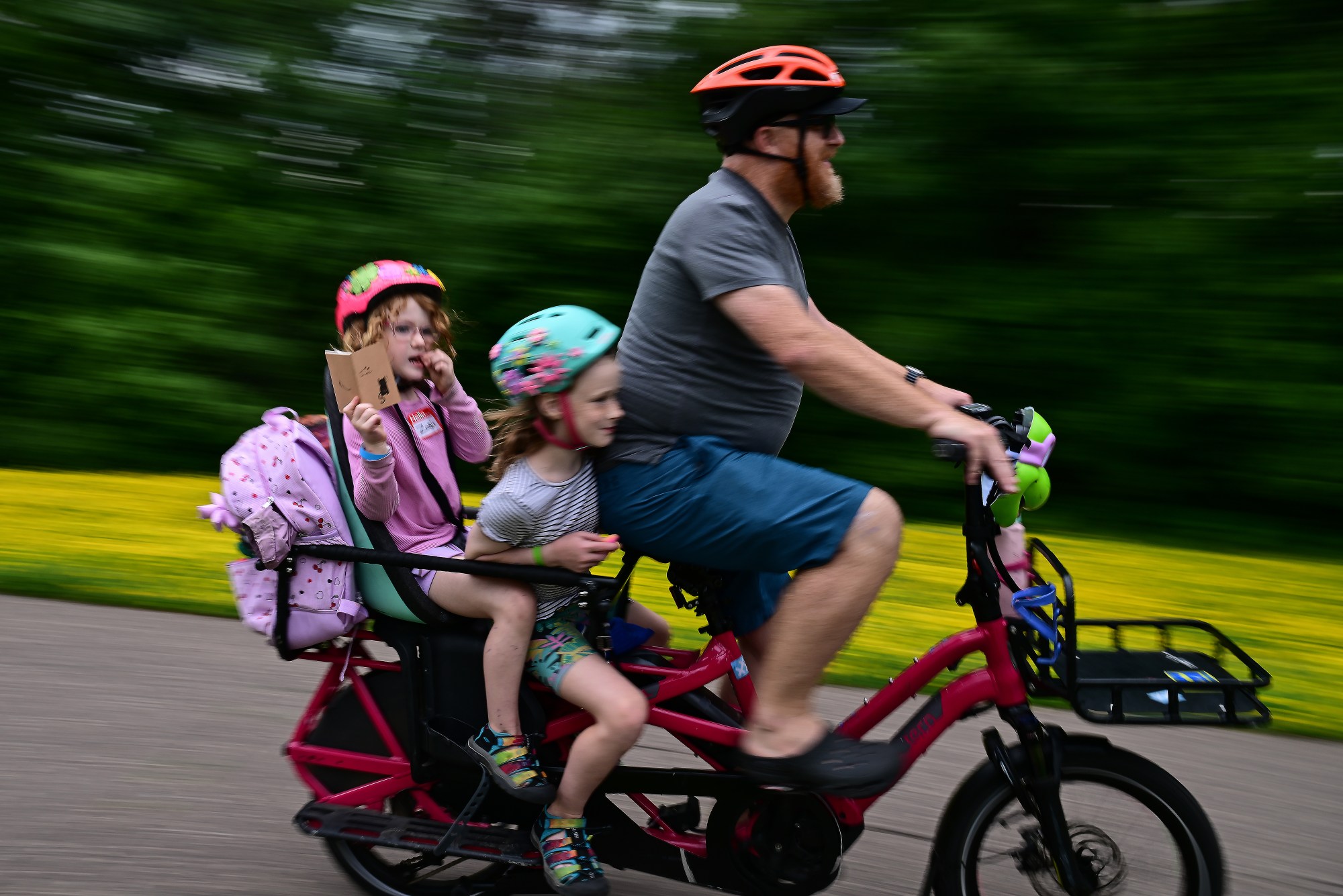
Cargo bikes — large, sturdy bicycles built to carry heavy loads — are showing up in driveways across the U.S. as more families ditch car trips for two wheels. According to Greeley Tribune, cities like St. Paul and Minneapolis are even building cargo-bike lending libraries so families can try them before buying.
The trend is being driven largely by electric cargo bikes, which add a motor to help riders tackle hills and long distances. The global market for electric cargo bikes is expected to grow from $370 million in 2025 to $1.54 billion by 2035 — a jump of 318.5% — according to research firm Fact.MR cited by Daily Camera.
Cargo Bikes Step In Where Cars Once Ruled
A cargo bike can carry groceries, kids, and gear that would normally require a car. Local bike shops in cities like Madison, Wisconsin, are now stocking shelves with them, according to San Diego Union-Tribune. Some families use them for school drop-offs, grocery runs, and weekend errands — all without touching a car key.
The bikes come in two main styles. A "longtail" has an extended rear rack for cargo. A "front-loader" has a large box up front, perfect for young children. Electric motors mean even hills are no longer a barrier. Riders can carry loads up to 400 pounds on some models, Delco Times reported.
Rising Fuel Costs and Car Expenses Push Families Toward Bikes
High gas prices are making families think twice about their second or third car. Owning an extra vehicle costs thousands of dollars a year in insurance, fuel, and maintenance. A cargo bike, by contrast, costs between $1,500 and $5,000 for a standard model, or $3,000 to $10,000 for an electric version, according to Morning Journal.
Shorter trips are also a factor. Many families only drive a few miles for daily errands. Those distances are easy on a cargo bike — especially an electric one. Journal-Advocate noted that decreased trip distances have made the cargo bike a practical replacement, not just a novelty.
Minneapolis Builds a Cargo-Bike Lending Network
Minneapolis is taking a community approach to cargo bikes. The city is creating a network of lending libraries where residents can borrow a cargo bike for free or at low cost. The goal is to let families test the bikes before spending thousands of dollars, according to Citizens Voice.
St. Paul has joined the effort too. Local advocates say lending programs lower the biggest barrier to adoption — the upfront price. Once families ride a cargo bike for a week, many decide to buy one. EP Trail reported that bike shops in the region are struggling to keep cargo bikes in stock.
Electric Motors Transform Who Can Ride a Cargo Bike
Before electric motors, cargo bikes were hard work. A fully loaded bike with two kids and groceries could weigh over 200 pounds. That made hills and long rides exhausting. Electric assist changes the math entirely. Riders get a boost from the motor, making heavy loads feel manageable, News Herald reported.
The electric cargo bike boom is also pulling in older riders and people who aren't regular cyclists. The motor levels the playing field. Industry analysts expect e-cargo bikes to make up the majority of cargo bike sales within the next decade, as prices slowly come down and more cities build bike-friendly infrastructure, according to Trentonian.
Sentiment
NeutralNEGATIVENEUTRALPOSITIVE
Publishers
11
Articles
10
Reach
11
A
AnonymousAuthor


