EVs Transform Transport
Electric Vehicles Go Mainstream, Reshaping Transportation and Sparking Public Debate
Anonymous
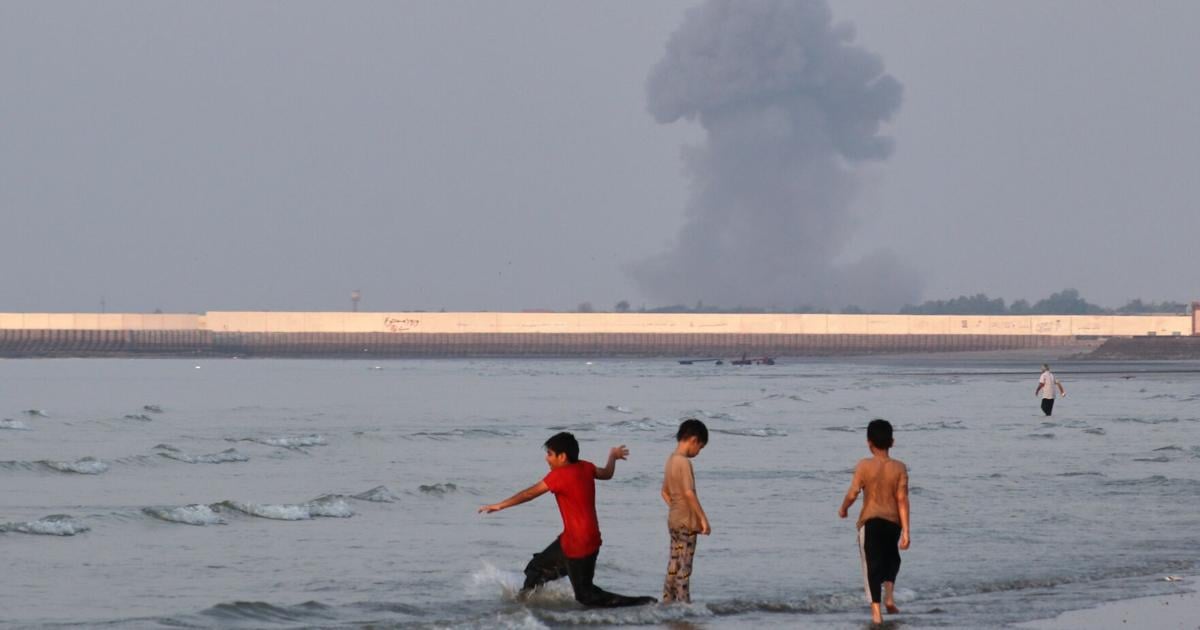
The United States has spent two weeks steadily expanding its military strikes against Iran, and the campaign now reaches far beyond coastal targets. According to Woonsocket Call, the airstrikes increasingly resemble a full war's opening salvos, hitting bridges and key infrastructure deep inside Iranian territory.
What began as strikes on Iran's navy and coastal defenses has grown into a broader assault. Idaho State Journal reports the campaign has extended well past the Strait of Hormuz, where the conflict first centered.
From Coastal Defenses to Bridges Deep Inland
The first US strikes focused on Iran's navy and shore-based defenses near the Strait of Hormuz. The goal was to counter Iran's ability to threaten shipping in the waterway. According to HNG News, those early strikes aimed to neutralize coastal threats before pushing further inland.
Within two weeks, the target list had grown sharply. Daily Item reports the strikes now include bridges and infrastructure — signs that the US is trying to degrade Iran's ability to move troops and supplies across the country.
Two Weeks of Punishing Airstrikes Reshape the Conflict
The pace and scale of the strikes have accelerated over the two-week period. BDT Online and KDH News both note the campaign now resembles the opening salvos of a full-scale war, not a limited punitive operation. Each day has brought new targets and wider reach.
The Strait of Hormuz remains central to the conflict's strategic stakes. Roughly 20% of the world's oil passes through the strait. Any sustained disruption there would send energy prices soaring across global markets.
Strait of Hormuz Still at the Heart of US Strategy
The US focus on the Strait of Hormuz reflects how much global trade depends on that narrow passage. Reflector reports that the initial strikes were designed to weaken Iran's ability to close or threaten the strait. Keeping it open is a core US military objective.
Iran's navy and coastal missile systems were the first to be hit for exactly this reason. By taking out shore defenses early, US forces aimed to reduce Iran's leverage over oil tankers and cargo ships passing through the region.
What Comes Next as Strikes Grow in Scope
Hitting bridges and inland infrastructure marks a significant shift. It suggests the US is no longer just defending the strait — it is trying to limit Iran's ability to wage a sustained military campaign. Idaho State Journal notes the strikes have expanded beyond any single strategic choke point.
How Iran responds to strikes on its internal infrastructure will shape the next phase of the conflict. So far, no ceasefire talks have been publicly reported. The campaign, according to Woonsocket Call, shows no sign of slowing down.
Sentiment
NeutralNEGATIVENEUTRALPOSITIVE
Publishers
8
Articles
8
Reach
8
A
AnonymousAuthor


