BASF sues Apple over seven Face ID patents
BASF sues Apple over seven Face ID patents
Anonymous
Key Points
1
BASF says the technological “groundwork” for trinamiX began in 2010, when BASF scientists were working on organic solar cells and later discovered insights they claim helped develop early 3D camera prototypes.
2
BASF established trinamiX in 2014, and the complaint claims trinamiX holds “more than 800 issued and pending patents” across countries worldwide.
3
The suit was filed on September 3, 2026, in the U.S. District Court in Midland, Texas—described in reporting as a venue that is “favorable to patent lawsuits”—and BASF is described as having a Houston location.
4
One report describes trinamiX’s patented approach as “Beam Profile Analysis,” combining 2D/3D facial recognition with a liveness check that detects “living skin” using near-infrared light backscattering to block spoofing from 3D masks or detailed printouts (and notes it still functions while users wear protective face masks).
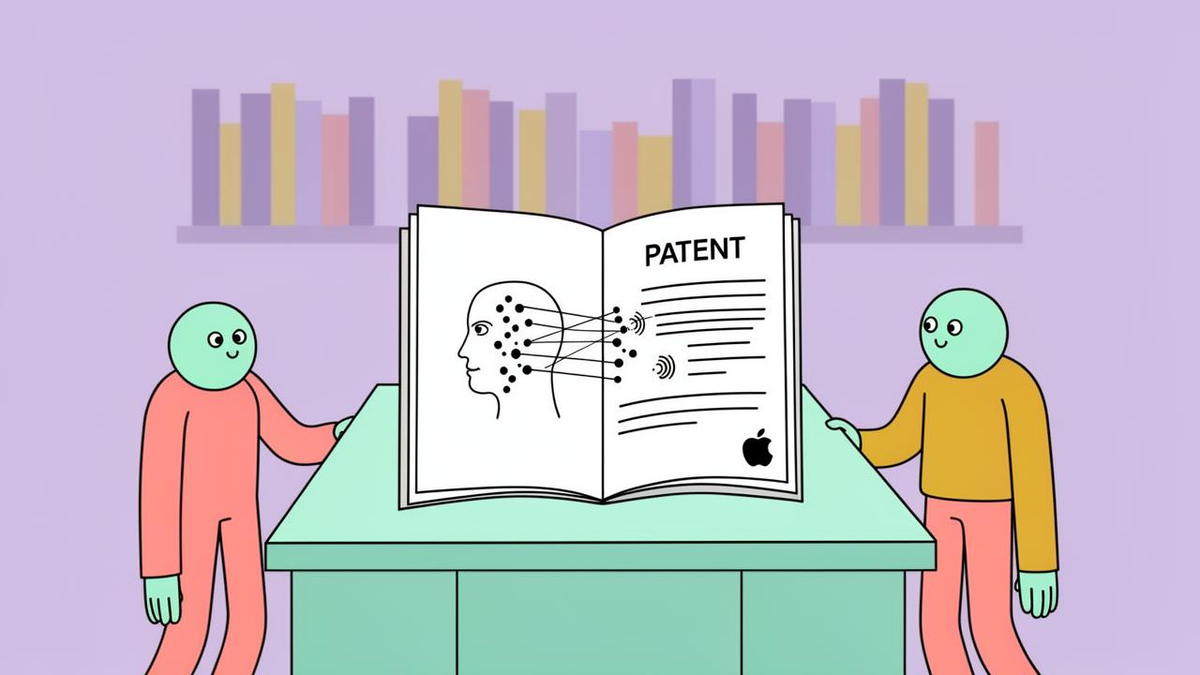
German chemical company BASF has filed a patent lawsuit against Apple, accusing the iPhone maker of stealing facial recognition technology for Face ID. IJR reports that the complaint targets seven patents held by BASF's trinamiX subsidiary and was filed in U.S. federal court in Midland, Texas. The suit covers multiple iPhone and iPad models that use Face ID to unlock devices and authenticate payments.
TrinamiX says it spent years perfecting technology that blocks spoofing attacks using fake faces, masks, and silicone replicas. According to BigGo Finance, the patented approach uses near-infrared light and skin detection to verify a user is alive and real. BASF is seeking damages and a court order to stop Apple from using the technology.
From Solar Cells to Facial Recognition
BASF's journey into facial recognition started unexpectedly. Scientists at the German chemical giant were originally working on organic solar cells in the early 2010s. They discovered insights during that research that later proved useful for developing 3D camera prototypes for face detection.
The company formalized this work in 2014 when it established trinamiX as a separate business unit focused on facial authentication. Head Topics SG reports that trinamiX now claims to hold more than 800 issued and pending patents related to facial recognition technology worldwide.
How TrinamiX's Technology Stops Fake Faces
The core of trinamiX's patented system is called "Beam Profile Analysis," a two-step process that combines facial mapping with a "liveness check." The technology uses near-infrared light to detect living skin by measuring how light bounces off human tissue. This blocks hackers from using 3D masks, detailed printouts, or silicone replicas to unlock someone's phone.
One key advantage: the system works even when users wear protective face masks. Mezha Net notes that trinamiX spent years developing protections against vulnerabilities in traditional facial recognition systems that can be fooled by simple tricks.
Texas Court Becomes Patent Battleground
BASF chose to file its lawsuit in Midland, Texas on September 3, 2026. The U.S. District Court for the Western District of Texas has earned a reputation as a venue favorable to patent lawsuits. BASF maintains a Houston location, placing the company in close geographic proximity to the court.
Head Topics CA reports that the lawsuit targets Face ID in "many iPhone and iPad models." The complaint claims Apple began infringing trinamiX's patents only after Face ID launched in 2017 and received subsequent technology updates. Apple has not publicly responded to the allegations.
Sentiment
Mostly NegativeNEGATIVENEUTRALPOSITIVE
Publishers
13
Articles
105
Reach
118
A
AnonymousAuthor


