£2bn Apple Tracking Lawsuit
Apple faces a £2 billion UK antitrust lawsuit over app tracking rules.
Anonymous
Key Points
1
German competition authorities previously accused Apple of abusing its market power over the same tracking framework, and Apple agreed to modify rules governing how app developers can use personal data for targeted advertising in Germany.
2
Analysts have highlighted ATT's impact on advertising-heavy games, with titles like Angry Birds cited as particularly affected due to their reliance on paid user acquisition.
3
The claim argues that Apple did not consult app developers on ATT changes, suggesting the policy was implemented without the transparency expected from a company of Apple's size.
4
The case remains subject to certification by the Competition Appeal Tribunal and cannot proceed until it is certified.
5
The litigation is led by Ann Pope, a former senior official at Britain’s Competition and Markets Authority, underscoring the regulatory dimension of the action.
Apple faces a £2 billion lawsuit in the UK over its App Tracking Transparency (ATT) rules. Market Screener reports the case, filed at London's Competition Appeal Tribunal, accuses Apple of imposing stricter tracking restrictions on third-party developers than on its own advertising services. The lawsuit claims ATT, introduced in 2021, gave Apple an unfair advantage while harming app developers across the UK.
The class action is led by Ann Pope, a former senior official at Britain's Competition and Markets Authority. Geo reports the case seeks £2 billion in damages. The lawsuit must first win certification from the tribunal before it can proceed. It reflects growing European scrutiny of Apple's market power, following similar action by German authorities.
How ATT Creates an Uneven Playing Field
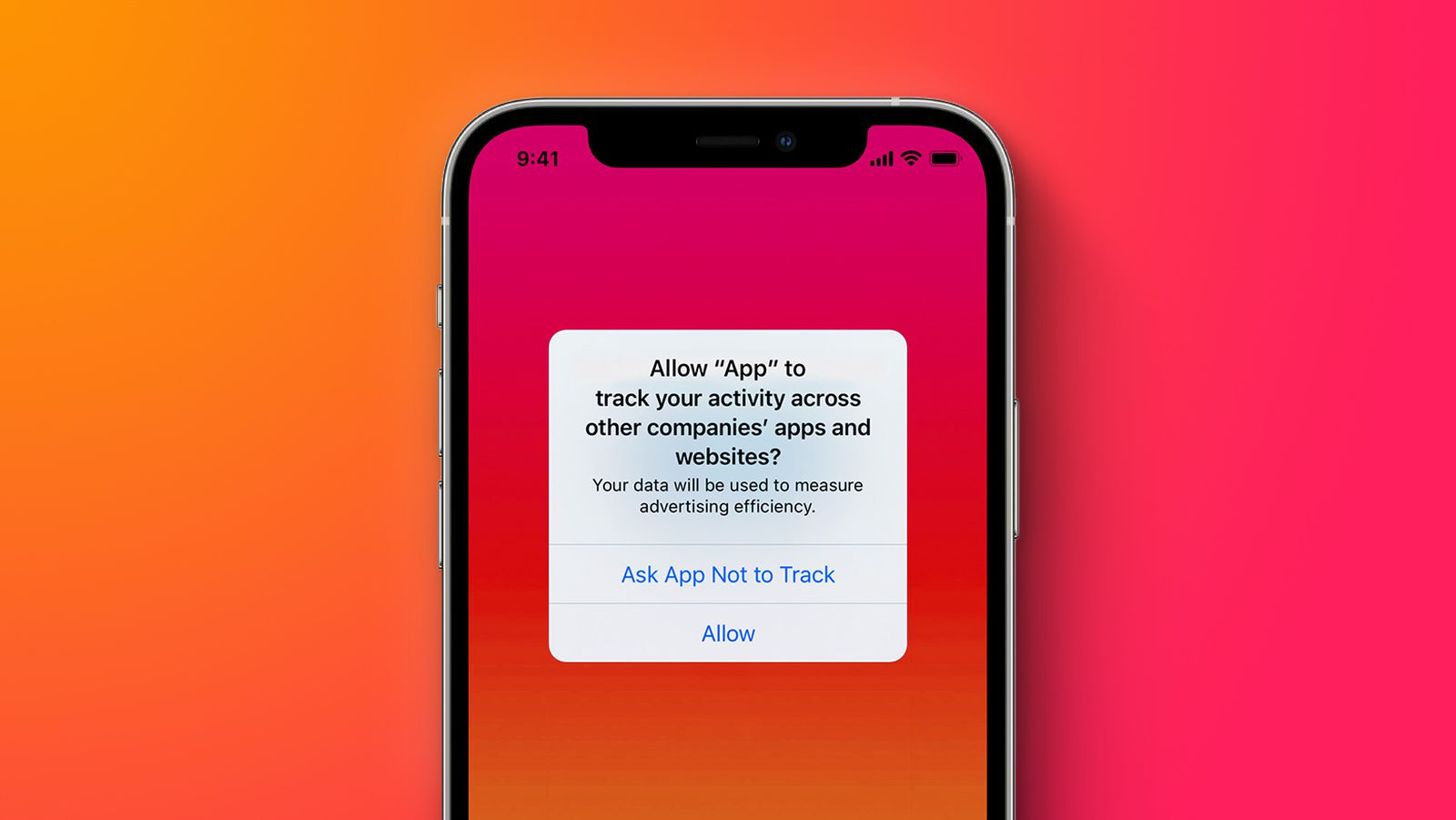
Apple's ATT requires third-party app developers to ask users for permission before tracking them across apps. Third-party apps must show a predefined consent prompt. But Apple's own apps reportedly do not face the same requirement because Apple says its apps don't track for advertising. Critics say this asymmetry is unfair.
The lawsuit argues that Apple did not consult developers before implementing ATT changes. This lack of transparency, claimants say, is especially troubling from a company of Apple's size. Trading View reports that Apple is accused of abusing its power to impose these stricter rules on competitors while exempting itself from the same standards.
ATT's Massive Impact on App Developer Revenues
When ATT launched in 2021, the damage to app economies was swift and severe. In just six months, social media platforms lost nearly $10 billion in revenue. Games relying on paid user acquisition — like Angry Birds — were hit especially hard. Developers lost the ability to track whether their ad spending was actually bringing in users.
This revenue collapse forms the foundation of the £2 billion damages claim. Developers argue that Apple's framework disproportionately harmed third parties while protecting Apple's own advertising business. The financial impact was immediate and measurable across the industry.
German Action Set the Stage for UK Case
Apple has faced regulatory pressure over ATT in Europe before. German competition authorities accused Apple of abusing its market power over the same tracking framework. Rather than fight, Apple agreed to modify its rules governing how developers can use personal data for targeted advertising in Germany.
The UK lawsuit builds on that precedent. It shows that regulators and developers across Europe view Apple's ATT rules as anticompetitive. The German settlement suggests Apple may be vulnerable to similar claims elsewhere. The UK tribunal's decision on certification will determine whether this case can move forward.
Sentiment
Mostly NegativeNEGATIVENEUTRALPOSITIVE
Publishers
20
Articles
137
Reach
157
A
AnonymousAuthor


