Medicaid Drug Pricing Plan
Trump administration plans nationwide Medicaid drug pricing model to reduce federal and state healthcare costs.
Anonymous
Key Points
1
The policy follows an executive order signed last year that directed the United States to seek prices matching those paid by the country receiving the lowest medication price anywhere in the world.
2
The White House estimated in May that its broader agreements with pharmaceutical companies could save $529 billion over 10 years, a figure far larger than the Medicaid-specific projections cited for the GENEROUS model.
3
The largest savings reported so far from the administration’s most-favored-nation agreements have involved weight-loss medicines: Novo Nordisk and Eli Lilly accepted price reductions in exchange for making the drugs more available through Medicare.
4
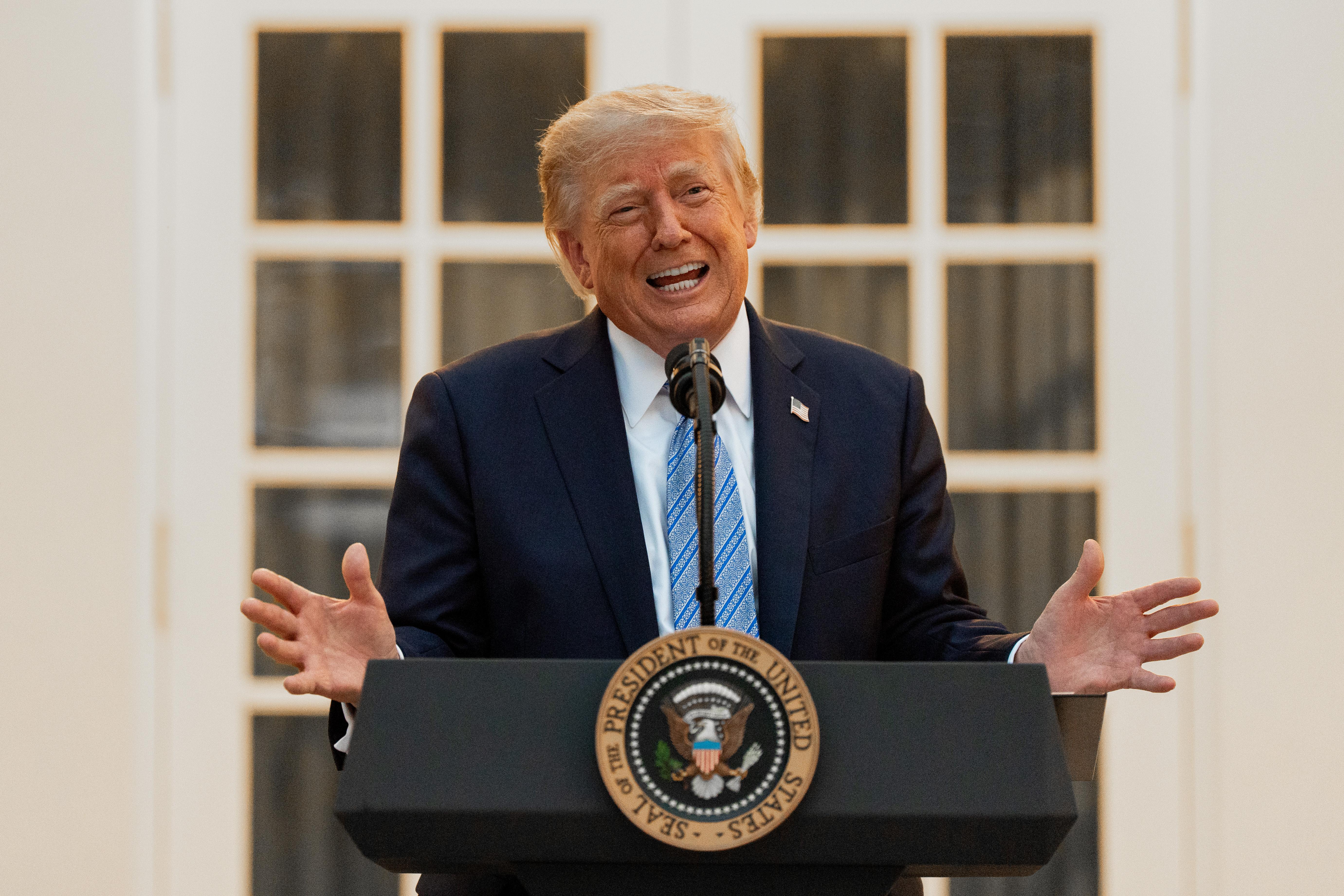
Trump is expected to make the announcement alongside several governors in the Oval Office, according to a White House official.
President Trump announced that all 50 states, DC, and Puerto Rico will join the GENEROUS model, which ties Medicaid drug prices to the lowest rates paid in other wealthy countries. White House projections show the program could save states $27.6 billion and the federal government $36.4 billion over a decade.
The initiative marks Trump's push to lower prescription drug costs ahead of elections. Yet experts say it's hard to measure the program's real impact because the drug agreements remain secret, and skepticism persists about whether savings will match the administration's bold promises.
How the Most Favored Nation Model Works
The program links Medicaid drug prices to what other developed nations pay for the same medications. Riverbender reported that Trump signed an executive order directing the US to seek prices matching the lowest rate paid anywhere in the world. This approach pressures drug makers to cut US prices or risk losing access to the massive Medicaid market.
Earlier Weight-Loss Drug Deals Show Mixed Results
The Trump administration has already secured price cuts on expensive weight-loss drugs. HuffPost noted that Novo Nordisk and Eli Lilly agreed to lower prices for their medications in exchange for broader Medicare coverage. These deals represent the largest savings so far, though full details remain limited.
Savings Projections Vary Widely Across Estimates
The White House's broader pharmaceutical agreements could save $529 billion over 10 years, according to May estimates. But the Medicaid-specific GENEROUS model projects far smaller savings of $27.6 billion for states and $36.4 billion federal over the same period. Some analysts remain unconvinced about reaching even these lower targets.
Skeptics Question Real-World Impact and Access
Experts caution that evaluating the program is difficult because pharmaceutical agreements are not public. WMBT News reported on the rollout, but industry critics worry lower prices could reduce drug availability or innovation. The administration's claims face scrutiny from policy analysts who doubt savings will match projections without seeing the actual deals.
Sentiment
Mostly NegativeNEGATIVENEUTRALPOSITIVE
Publishers
25
Articles
400
Reach
425
Topics
A
AnonymousAuthor


