Female NIL Participation Surges
Learfield Reports 123% Jump in Female Athletes' NIL Deals for 2025-26 Fiscal Year
Anonymous
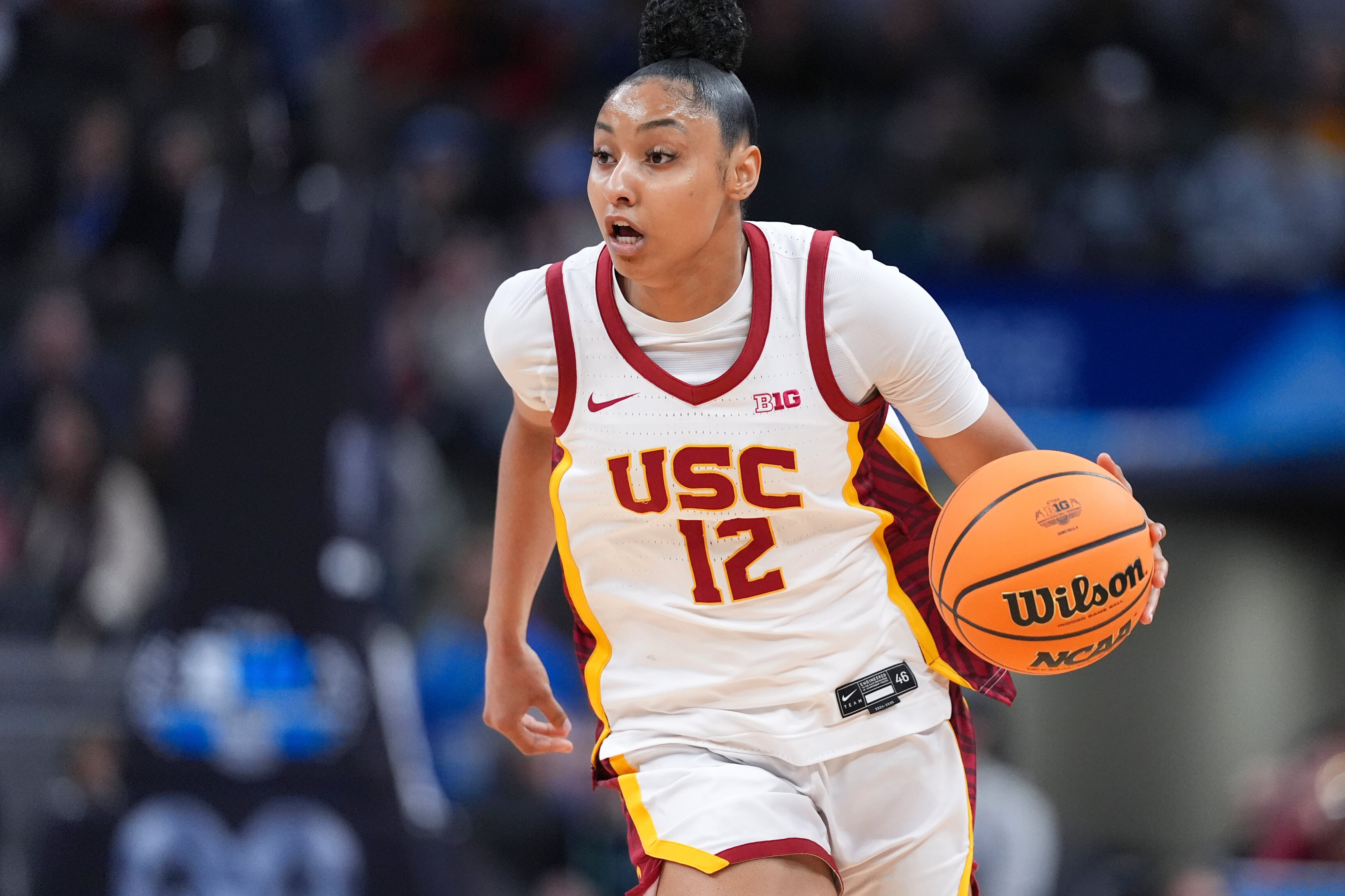
Female athletes are landing more brand deals than ever before. College sports marketing company Learfield reported a 123% jump in female athlete participation in name, image and likeness — or NIL — deals over the 2025-26 fiscal year, according to AP News.
NIL compensation lets college athletes get paid to promote brands using their name, image, or likeness. Since the NCAA approved NIL deals in 2021, football and men's basketball have led the way. But women's sports are now closing the gap fast.
Women's Sports Climb the NIL Rankings Fast
Women's basketball now ranks third among all college sports in NIL activity, according to Newsday. Softball ranks fifth. Those two sports alone show how quickly women's athletics has moved up the ladder since NIL rules took effect just four years ago.
Learfield's head of NIL, Solly Fulp, said the surge is no accident. Female student-athletes are "excellent content creators and storytellers," he said. That skill makes them attractive to national brands looking for authentic voices to promote their products.
22 Major Brands Signed Deals With College Athletes
Big household names are now writing checks to college athletes. Twenty-two national brands struck deals over the fiscal year, according to AP News. The list includes Geico, State Farm, SeatGeek, EA Sports, Uber, AT&T, and Marriott.
These are not small or regional companies. These are brands that spend billions on advertising every year. Their decision to invest in college athletes — especially women — signals a major shift in how companies view the value of college sports marketing.
Female NIL Participation Gap Narrows Sharply
Learfield also reported a decrease in the gap between male and female NIL participation, according to BDT Online. The 123% rise in female involvement is the clearest sign yet that women's college sports are becoming a serious commercial market.
Football still leads all sports in NIL earnings. Men's basketball ranks second. But women's basketball at third place — ahead of baseball, soccer, and other major sports — shows real momentum. Brands are watching audience growth in women's sports and responding with their wallets.
Why Female Athletes Are Winning With Brands
Social media is a big reason for this shift. Female athletes often build large, engaged followings on platforms like Instagram and TikTok. Brands pay for that reach. An athlete with 500,000 followers can be more valuable to a company than a TV ad spot.
Fulp's point about storytelling matters here. Fans connect with athletes who share their lives and personalities online. Female athletes have leaned into that style of content. As women's sports viewership grows — driven in part by stars like Caitlin Clark — brand interest is only expected to rise further, according to WFMZ.
Sentiment
NeutralNEGATIVENEUTRALPOSITIVE
Publishers
11
Articles
11
Reach
11
Topics
A
AnonymousAuthor


