NIH Grant Oversight
Trump administration proposes executive order creating external board to oversee NIH grant funding.
Anonymous
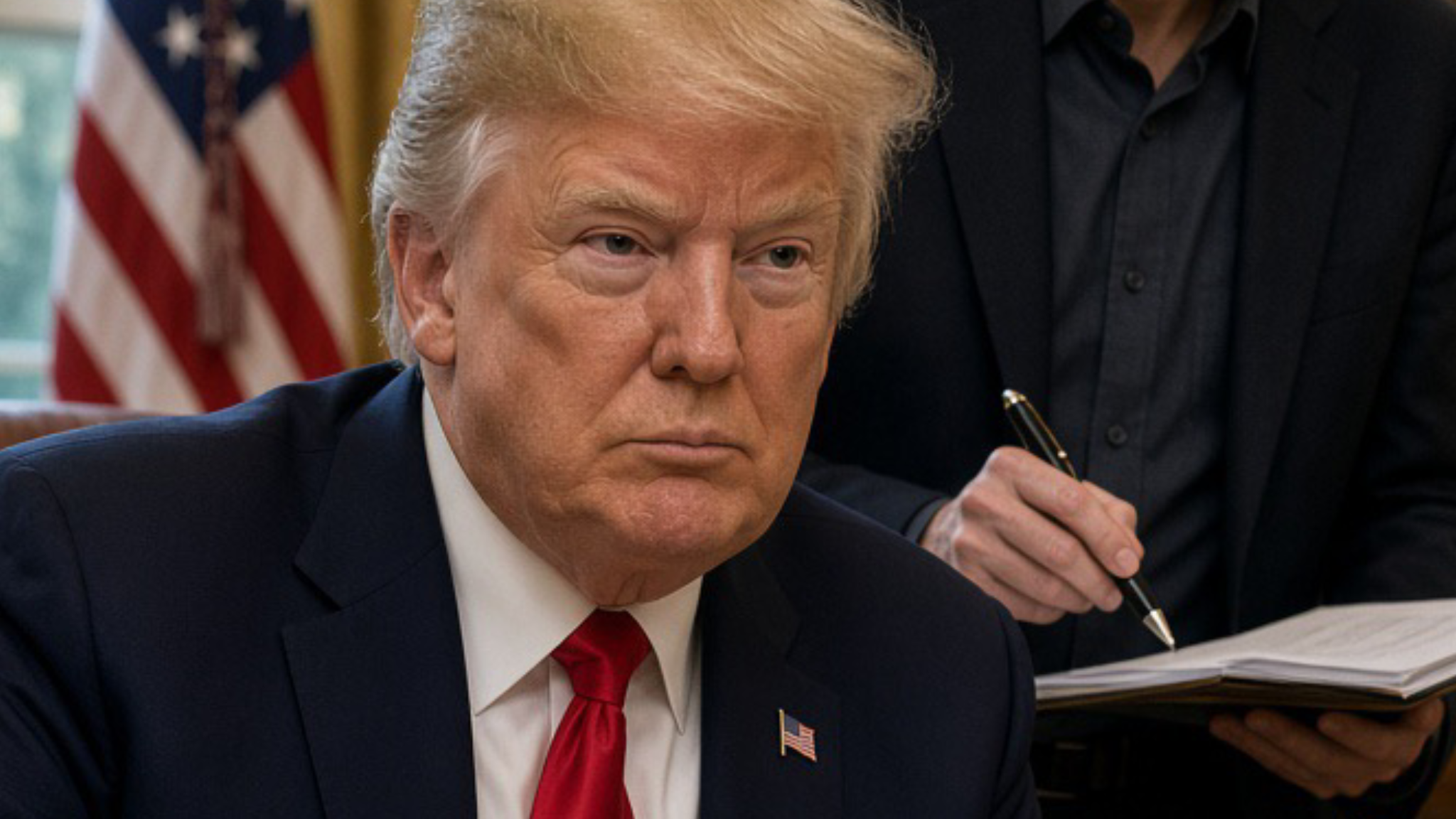
Current President Donald Trump has directed budget chief Russell Vought to draft an executive order creating an external board with greater control over which National Institutes of Health grants receive funding, according to multiple reports. The proposed board would include Vought and NIH Director Jay Bhattacharya and would require unanimous approval, potentially allowing a single political appointee to veto grants. The plan would depart from the NIH’s longstanding system, in which scientific peer-review panels and advisory councils evaluate applications primarily on scientific merit before institute directors make final decisions. Administration officials, including Vought, have criticized the NIH for funding initiatives they describe as “woke,” while Bhattacharya has defended the agency’s grant process and its mission to support biomedical research. Scientists, lawmakers and state attorneys general warn that the proposal could politicize research, and researchers are challenging related grant actions in court as unconstitutional censorship. The White House and NIH have offered limited comment, while existing congressional restrictions could hinder efforts to expand the Office of Management and Budget’s authority over federal grants.
Key Points
1
The NIH has an annual budget of roughly $48 billion, supporting research into diseases and conditions including cancer, sickle cell disease, maternal mortality, HIV, diabetes and heart disease. The funding is distributed to universities, teaching hospitals and medical schools nationwide.
2
The reported Oval Office meeting also included Education Secretary Linda McMahon, Treasury Secretary Scott Bessent, White House Deputy Chief of Staff Stephen Miller, White House Counsel Will Scharf and OMB General Counsel Mark Paoletta; officials said McMahon did not participate in the disagreement.
3
Under the existing system, final grant decisions are made by the directors of the NIH’s 27 institutes and centers, most of whom are career government employees, after peer review and advisory-council recommendations.
4
The administration’s proposal follows an earlier OMB initiative unveiled in May that would give political appointees broader authority over federal grants, including the ability to block awards deemed inconsistent with administration policy.
5
NIH spokesperson Joshua Pradko said the agency “remains committed to its mission of funding biomedical research to benefit the health of the American people,” while declining to discuss the reported meeting.
Sentiment
Mostly NegativeNEGATIVENEUTRALPOSITIVE
Publishers
13
Articles
64
Reach
77
A
AnonymousAuthor


