Ghana Economy Grows 6%, ICT Leads Q2 Growth
Ghana Economy Grows 6%, ICT Leads Q2 Growth
Anonymous
Key Points
1
Ghana produced GH¢51.3 billion in real goods and services in the second quarter of 2026, up from GH¢48.4 billion in the same quarter of 2025.
2
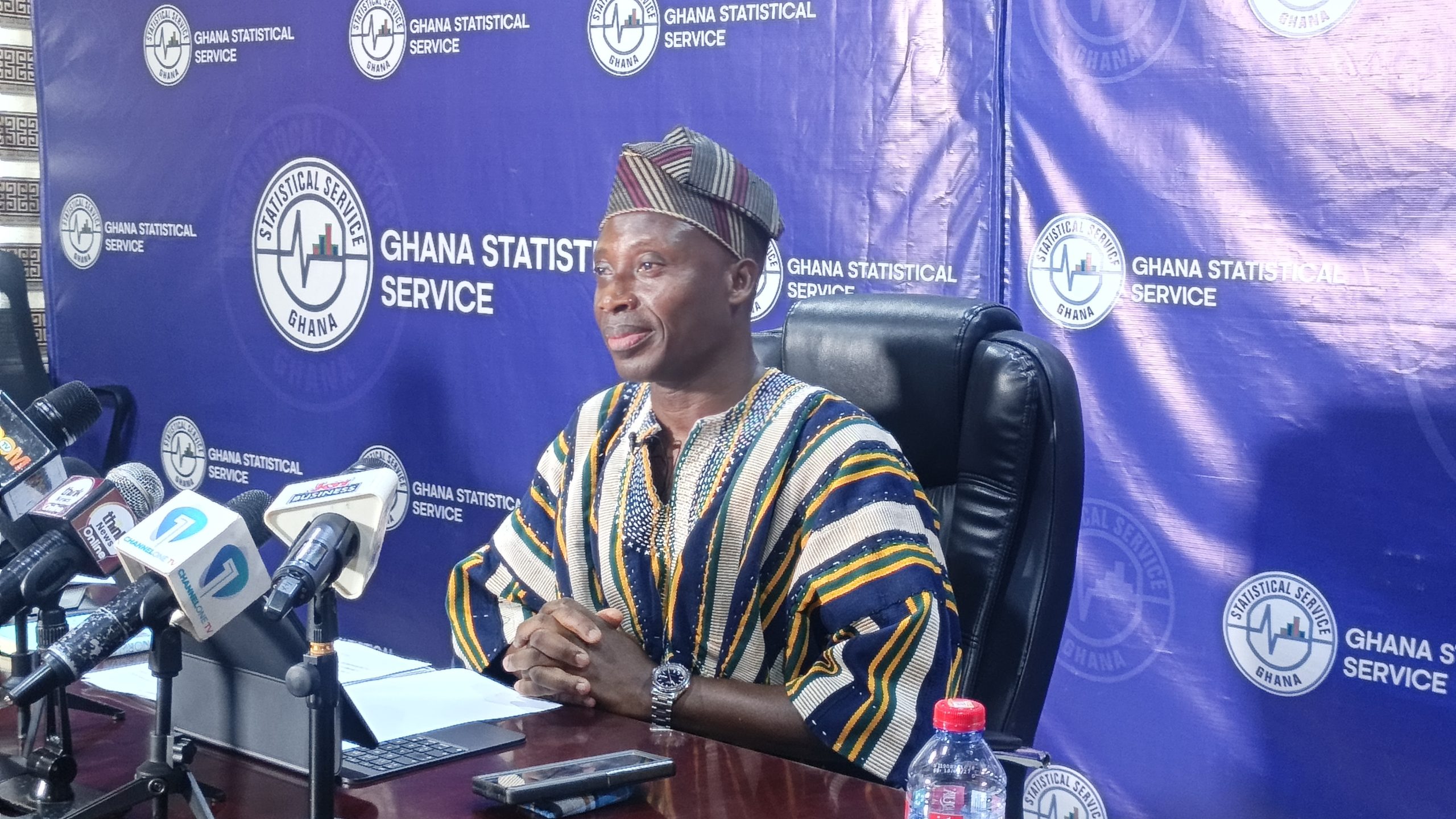
Government Statistician Alhassan Iddrisu said ICT growth was not a temporary surge: “The sector has posted double-digit growth in every quarter for the past three years,” adding that Ghana’s growth story is “substantially a digital story.”
3
Oil and gas activity increased by 21.4% in the second quarter, providing a significant boost to industrial growth.
4
Investment rose 53.0% and domestic demand increased 11.2% during the quarter, while seasonally adjusted GDP grew 1.4% from the previous quarter.
5
Iddrisu cautioned that the 6.0% expansion would be meaningful only if it translated into “better jobs, stronger services, and real opportunity reaching more people.”
Ghana's economy expanded 6.0% year over year in the second quarter of 2026, driven by a digital sector surge that contributed 41.5% of overall growth. Ghana Statistical Service reported that information and communication technology activity jumped 30.9%, while services rose 8.0% to account for 57.6% of expansion. The growth eased slightly from 6.4% in Q1 but kept Ghana on a robust recovery path from its recent debt crisis.
Real GDP reached GH¢51.3 billion in Q2 2026, up from GH¢48.4 billion a year earlier, while inflation pressures continued to ease with consumer price growth falling to 5.0%. Government Statistician Alhassan Iddrisu cautioned that growth must translate into "better jobs, stronger services, and real opportunity reaching more people" to be truly meaningful for ordinary Ghanaians.
Digital Boom Outpaces Traditional Sectors
Information and communication technology emerged as Ghana's economic powerhouse, with activity surging 30.9% in Q2 and driving nearly half of all growth. Government Statistician Iddrisu said this was no temporary spike: "The sector has posted double-digit growth in every quarter for the past three years." Ghana's growth story, he explained, is "substantially a digital story" — a shift that reflects global trends toward technology-driven economies.
Services broadly supported the expansion, rising 8.0% and making up more than half of economic growth. Transport also surged, while traditional sectors like agriculture grew more slowly at 3.9%, highlighting how Ghana's economy is rebalancing toward higher-value activities.
Oil and Gas Offset Agriculture's Weakness
Industry expanded 4.3%, bolstered by a sharp 21.4% surge in oil and gas activity that provided crucial support to overall growth. Ghana Statistical Service data showed that industrial strength partly offset weakness in farming and fishing sectors. However, fishing contracted sharply by 24.7%, signaling uneven performance across the economy and raising concerns about food security.
The non-oil economy still grew 5.4%, showing that Ghana's expansion reaches beyond resource extraction. This diversification matters as the nation works to build a more resilient, sustainable growth foundation less vulnerable to oil price swings.
Investment and Demand Strengthen Across the Quarter
Investment surged 53.0% during Q2 while domestic demand rose 11.2%, signaling growing confidence in Ghana's recovery. Seasonally adjusted GDP climbed 1.4% from the prior quarter, showing momentum carrying into mid-2026. First-half GDP growth averaged 6.2%, suggesting the expansion was broad-based rather than driven by one-off gains.
Inflation pressures eased markedly, with the GDP deflator falling to 5.5% and consumer inflation dropping to just 5.0%. These improvements reflect Ghana's successful passage through a severe debt and inflation crisis, with the IMF support program now in its final review stage.
Sentiment
Mostly PositiveNEGATIVENEUTRALPOSITIVE
Publishers
17
Articles
17
Reach
34
Topics
A
AnonymousAuthor


