Ghana's Fiscal Strength
Ghana Fully Settles $700 Million Eurobond Ahead of Schedule, Boosting Investor Confidence
Anonymous
Key Points
1
In 2025, Ghana paid about $1.4 billion to Eurobond holders, including a $709 million settlement on December 30, 2025 and two earlier payments of $349.52 million each, financed from government cash buffers as part of the debt treatment package.
2
The government notes ongoing reforms under the IMF Policy Coordination Instrument (PCI), signaling continued alignment with IMF-backed macroeconomic reforms as it continues debt restructuring.
3
Debt restructuring linked to the Eurobond and Domestic Debt Exchange Programmes was a compulsory condition for Ghana to access a $3 billion IMF bailout, underscoring that the current settlement sits within a broader creditor/IMF program framework.
4
The July 2, 2026 payment to Eurobond holders was completed ahead of schedule, with $525.2 million in principal and $174.8 million in interest, reflecting continued robust debt servicing discipline.
Ghana has settled a US$700 million Eurobond obligation ahead of its July 2, 2026 deadline, paying US$525.2 million in principal and US$174.8 million in interest, according to Ghana News Agency. The early payment brings Ghana's total Eurobond payments to US$2.1 billion since January 2025 — a significant milestone for a country that restructured its debt just two years ago.
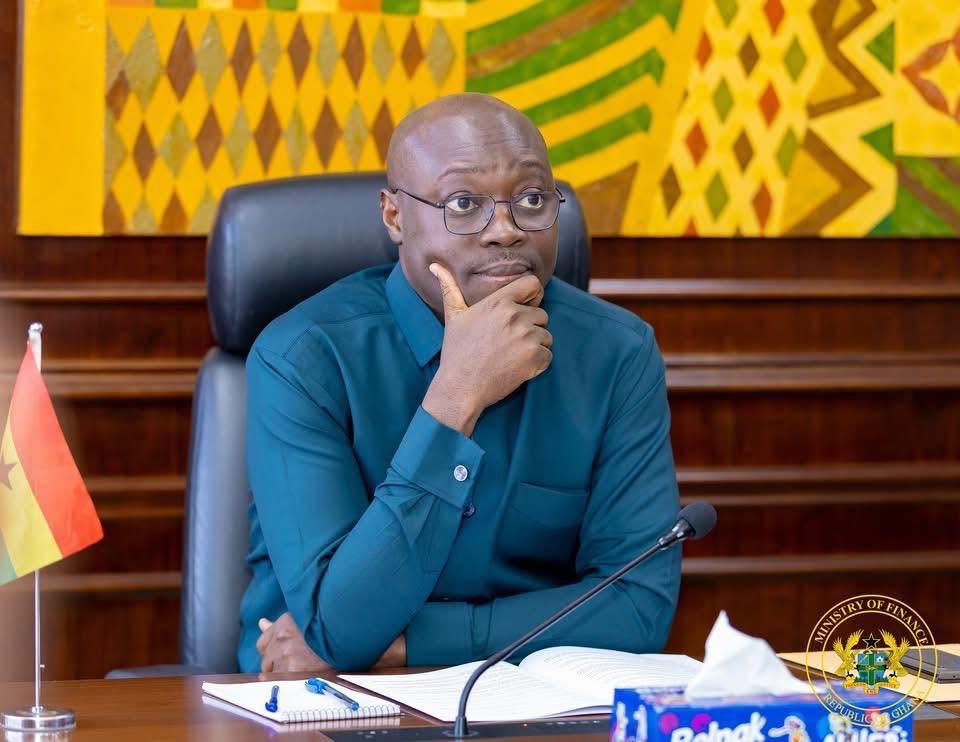
Finance Minister Cassiel Ato Forson called it a sign of Ghana's commitment to "prudent public financial management." The payment was funded through planned government financing and did not strain the country's foreign exchange reserves, Arbiterz reported.
$2.1 Billion Paid to Bondholders Since January 2025
Ghana has made three major Eurobond payments in 2025 and 2026. Two payments of US$349.52 million each came first. Then came a US$709 million settlement on December 30, 2025. The latest US$700 million payment now brings the running total to US$2.1 billion, according to Arise TV.
Each payment was funded from government cash buffers built up as part of Ghana's broader debt treatment package. Officials stressed that no single payment has placed undue pressure on foreign exchange reserves, Businessfront reported.
IMF Bailout Made Debt Restructuring a Hard Condition
Ghana's Eurobond restructuring was not optional. It was a compulsory condition for the country to access a US$3 billion IMF bailout. Ghana also ran a Domestic Debt Exchange Programme — a swap that changed the terms of locally held government bonds — as part of the same deal, Arbiterz reported.
The government is now operating under the IMF's Policy Coordination Instrument, known as a PCI. A PCI is a framework that signals a country is following IMF-approved economic reforms even without drawing new IMF cash. It keeps Ghana aligned with international lenders as it rebuilds its finances.
Two Sinking Funds Set Up to Cover 2026–2028 Maturities
To avoid a repeat of the cash crunch that led to the 2022 debt crisis, Ghana has set up two dedicated funds. A Cedi Sinking Fund holds local currency. A US Dollar Sinking Fund holds foreign currency. Both are designed to cover Eurobond maturities falling due between 2026 and 2028, according to Ghana News Agency.
The funds act as a financial buffer — money set aside before payments are due. Analysts say this kind of forward planning is key to restoring trust with international investors, Businessfront noted.
Early Repayment Signals Stronger Investor Confidence
Paying ahead of schedule carries a clear message to bond markets: Ghana can meet its obligations without waiting until the last minute. Arise TV reported that the move is aimed at reducing outstanding Eurobond debt and boosting macroeconomic stability.
Ghana defaulted on most of its external debt in late 2022 after a severe economic crisis. The country's return to timely — and now early — debt servicing marks a sharp turnaround. Minister Forson framed the payment as part of Ghana's broader push to rebuild credibility with global investors.
Sentiment
Mostly PositiveNEGATIVENEUTRALPOSITIVE
Publishers
13
Articles
13
Reach
26
Topics
A
AnonymousAuthor


