Cross-Border Drone Strikes
Cross-Border Drone Attacks Spark Warehouse and Industrial Fires in Ukraine and Russia
Anonymous
Key Points
1
The Kyiv City Military Administration reported the warehouse fire at 2:48 a.m. local time and said emergency services were responding to the aftermath.
2
In Odesa, the strike damaged the roofs, facades and windows of three private homes, as well as 10 garages and two passenger cars; the State Emergency Service said none of those structures caught fire.
3
At the Sebryakovcement plant, reported explosions occurred near cement kiln No. 5, a key production line, after regional alerts were issued over possible drone and missile threats. Russian authorities had not confirmed reports of two deaths.
4
Sebryakovcement is a major industrial facility with annual capacity of more than 4 million metric tons of cement and 3 million metric tons of clinker; it employs about 1,503 people and accounts for roughly 6% of Russia’s cement production.
5
The Odesa poultry-farm strike damaged the roof and solar panels, and the regional administration said the resulting fire had been extinguished while recovery efforts continued.
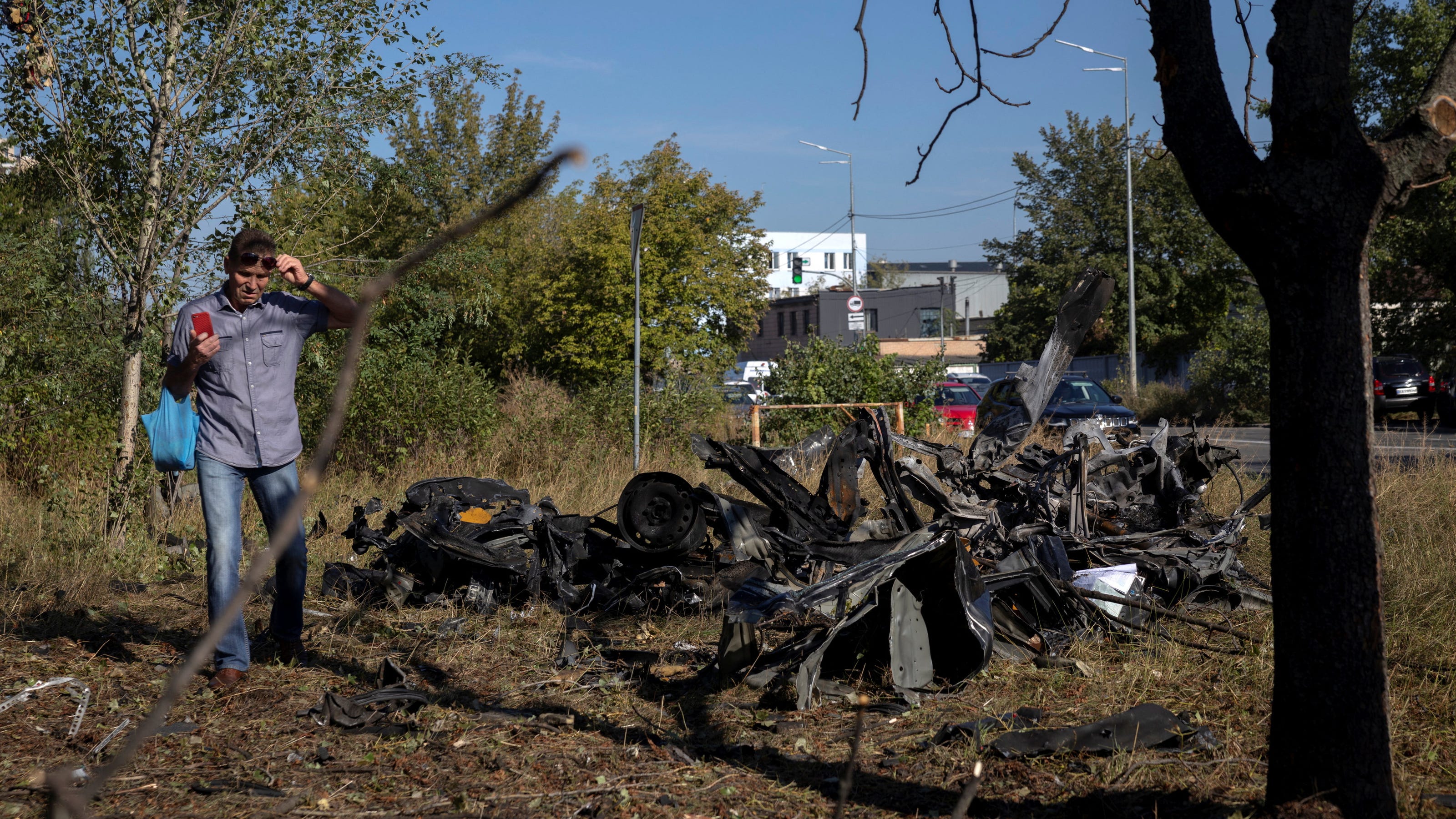
Russian drone strikes ignited fires at warehouses across Ukraine early Wednesday, hitting targets in Kyiv and Odesa while Ukrainian forces struck back at a major Russian cement plant. Kyiv City Military Administration reported a warehouse fire in the capital's Sviatoshynskyi district at 2:48 a.m. local time after a drone attack, with no immediate casualties. The overnight barrage followed a deadly attack the day before that killed one person and wounded 12 in Kyiv.
In Russia's Volgograd Oblast, a suspected Ukrainian drone strike hit the Sebryakovcement cement plant near kiln No. 5, causing explosions and heavy smoke. State Emergency Service of Ukraine reported that in Odesa, strikes damaged three private homes, 10 garages, two cars, and a poultry farm. Sebryakovcement is a critical industrial facility producing more than 4 million metric tons of cement annually and accounting for roughly 6% of Russia's cement output.
Warehouse Fire in Kyiv's Sviatoshynskyi District
Kyiv City Military Administration confirmed a Russian drone strike sparked a warehouse fire in Kyiv's Sviatoshynskyi district at 2:48 a.m. Wednesday. Emergency services deployed to the scene immediately after the blast. The strike caused the warehouse to catch fire, though authorities reported no deaths or injuries from this specific attack.
Odesa Struck: Homes, Garages, and Poultry Farm Damaged
Russian attacks in Odesa hit multiple targets overnight, damaging civilian infrastructure across the region. State Emergency Service of Ukraine reported that strikes damaged the roofs, facades, and windows of three private homes, destroyed 10 garages, and damaged two passenger cars. Fortunately, none of the homes or garages caught fire, and there were no reported deaths or injuries from these strikes.
A separate Russian attack hit an Odesa poultry farm, damaging its roof and solar panels. Odesa Regional Military Administration confirmed that fire crews extinguished the resulting blaze while continuing recovery efforts. Some poultry were killed in the strike, adding to agricultural losses in the southern region already strained by ongoing conflict.
Ukraine Strikes Russia's Sebryakovcement Plant Near Volgograd
A suspected Ukrainian drone attack struck JSC Sebryakovcement in Mikhaylovka, Russia, causing explosions near cement kiln No. 5. Samara Regional Governor confirmed a drone strike hit the industrial facility, triggering evacuations and emergency response. Russian regional authorities have not publicly confirmed reports claiming two people were killed in the strike, though unverified accounts on social media described heavy smoke and structural damage.
Sebryakovcement is one of Russia's largest cement producers, with annual capacity exceeding 4 million metric tons of cement and 3 million metric tons of clinker. The plant employs approximately 1,503 workers and accounts for roughly 6% of Russia's total cement production. Damage to kiln No. 5—a major production line—could disrupt Russia's construction and defense infrastructure projects for months.
Pattern of Asymmetric Infrastructure Warfare Escalates
Ukraine has systematically expanded long-range strikes against Russian military-industrial targets, including cement plants, oil refineries, and aviation repair facilities. The overnight strikes on Sebryakovcement follow Ukrainian attacks on refineries in Syzran and Yaroslavl, aiming to disrupt Russia's war supply chains. Experts frame the cement plant strike as a tactical blow targeting Russia's defense construction sector.
Meanwhile, Russian strikes on Ukrainian warehouses and agricultural facilities compound economic distress in southern regions. This pattern of mutual infrastructure targeting reflects a shift toward long-range, asymmetric warfare designed to cripple each side's ability to sustain prolonged military operations and civilian support systems.
Sentiment
Mostly NegativeNEGATIVENEUTRALPOSITIVE
Publishers
73
Articles
73
Reach
146
A
AnonymousAuthor


