Gulf States Directly Strike Iran
Bahrain and Kuwait Conduct First Direct Airstrikes on Iran, Escalating Gulf Conflict
Anonymous
Key Points
1
First direct offensive strikes by Bahrain and Kuwait against Iran mark a major shift away from the region's traditional proxy-war approach, signaling a new phase in Gulf-on-Iran confrontation.
2
Oman and Qatar have long pursued a balanced policy between Iran and the West and have shown little willingness to confront Tehran directly, underscoring divergent regional alignments.
3
Saudi Arabia reportedly joined the UAE in earlier strikes but is now reassessing its position, indicating shifting Arab alignment regarding how to respond to Tehran.
4
Iran claimed a volley of attacks on US bases and facilities in Bahrain, Jordan, and Kuwait using Arash suicide drones, including an assertion of hitting an Amazon data center in Bahrain.
5
The strikes reportedly occurred earlier in July, with public reporting and details emerging around July 24, suggesting the operations were kept discreet while authorities assessed diplomatic and military implications.
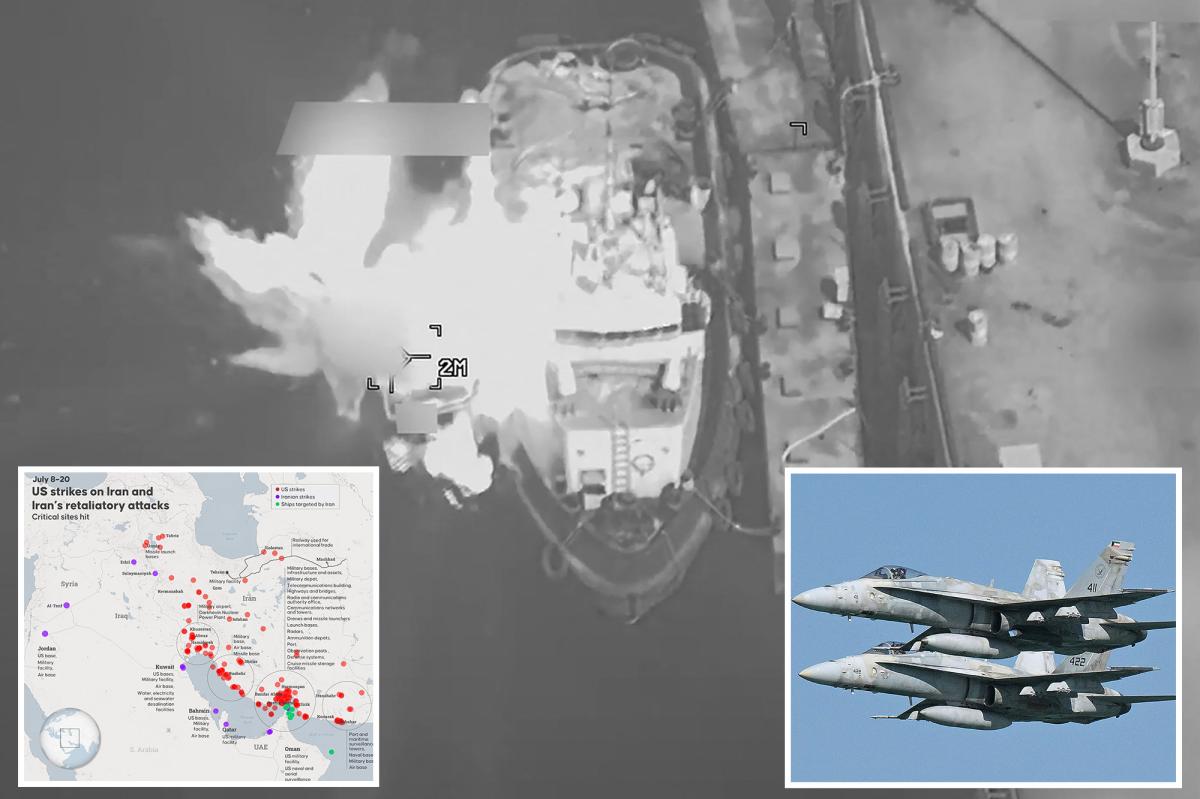
Bahrain and Kuwait secretly sent fighter jets to strike military targets inside Iran earlier in July 2026, according to The Jerusalem Post and New York Post. It marks the first time either Gulf nation has launched a direct offensive attack against Tehran — a major break from decades of proxy-style conflict in the region.
The strikes hit drone and missile storage facilities and other military sites inside Iran, The Jerusalem Post reported. The United Arab Emirates provided intelligence support and defensive air cover for the operations, which were kept quiet while governments weighed the diplomatic and military fallout.
Bahrain and Kuwait Cross a Line No Gulf State Has Before
The airstrikes came after weeks of Iranian attacks on Bahrain and Kuwait, both of which host major US military bases. Gulf states have long relied on proxy forces and diplomatic pressure rather than direct strikes. This move signals a new phase, according to Crypto Briefing — one where Gulf nations are willing to hit Iran on its own soil.
Saudi Arabia reportedly joined the UAE in earlier strikes against Iran but is now reassessing its position, New York Post reported. That hesitation shows how divided the Arab world remains on how hard to push back against Tehran. Oman and Qatar, which have long kept balanced ties with Iran, have shown no appetite for direct confrontation.
Iran Claims Retaliatory Drone Strikes on US Bases Across the Gulf
Iran's Islamic Revolutionary Guard Corps claimed it struck US military assets in Bahrain, Jordan, and Kuwait using Arash suicide drones, according to TRT World. Suicide drones, sometimes called loitering munitions, fly toward a target and explode on impact. Iran also claimed it hit an Amazon data center in Bahrain, though that claim has not been independently confirmed.
Iran framed the drone attacks as retaliation for US strikes on Iranian territory, TRT World reported. The tit-for-tat pattern — Iran hits Gulf bases, Gulf states hit Iran back — points to a conflict that is expanding beyond US and Israeli involvement into a broader regional war.
Operations Kept Secret While Details Leaked Around July 24
The strikes reportedly took place earlier in July 2026, but public details emerged around July 24, according to The Jerusalem Post. Bahrain and Kuwait appear to have kept the operations discreet. Both governments were likely measuring how Iran, the US, and their own populations would react before confirming any involvement.
The Wall Street Journal first broke the story, according to New York Post. The delay between the strikes and public reporting suggests both governments wanted to assess fallout before details became widely known. It also shows how sensitive direct Gulf-on-Iran military action remains, even as the broader conflict intensifies.
Strait of Hormuz Risk Grows as Gulf States Enter the Fight
The widening conflict raises serious concerns about the Strait of Hormuz, the narrow waterway through which roughly 20% of the world's oil supply passes. Iran has previously threatened to close the strait during times of tension. Direct strikes from Gulf states on Iranian soil could give Tehran a fresh reason to act on that threat.
Bahrain and Kuwait joining the fight adds new pressure on Iran from multiple directions at once — US forces, Israel, and now Gulf neighbors, according to Crypto Briefing. If Iran escalates in response by targeting oil tankers or closing the strait, global energy markets could face serious disruption far beyond the region.
Sentiment
Mostly NegativeNEGATIVENEUTRALPOSITIVE
Publishers
16
Articles
19
Reach
35
A
AnonymousAuthor


