UN General Assembly Convenes
World Leaders Gather for UN General Assembly Amid Global Crises and Leadership Uncertainty
Anonymous
Key Points
1
Chinese President Xi Jinping will skip the New York gathering and instead hold one-on-one talks with President Donald Trump in Washington, raising questions about the UN’s role in resolving global crises.
2
The United States paid $725 million toward the UN’s regular budget to avoid losing its General Assembly vote, but still owes the organization more than $1 billion and continues to press for cuts and reforms.
3
The UN gathering follows calls from several artificial-intelligence industry leaders for a coordinated slowdown in AI development, amid warnings that the technology could eventually improve autonomously and escape human control.
4
Iranian delegates who receive US visas will face restrictions in New York, including a ban on purchasing luxury goods and shopping at wholesale clubs; a State Department spokesman said, “While ordinary Iranians endure brutal repression, water and electricity shortages, and soaring inflation, the regime’s officials want to go on shopping sprees in New York. Not on our watch.”
5
Prediction-market pricing put the chance of a US-Iran meeting in the United Arab Emirates by Sept. 30 at only 0.1% despite diplomatic activity surrounding the UN meetings.
World leaders gathered in New York this week for the 81st UN General Assembly amid wars in Gaza, Ukraine, and Sudan. The meeting came as the organization faces a financial crisis, with Telangana Today reporting Secretary-General António Guterres warning of "imminent financial collapse" due to unpaid dues. Major geopolitical tensions overshadowed the gathering, including restrictions on Iranian delegates, a visa denial for Palestinian President Mahmoud Abbas, and Chinese President Xi Jinping's decision to skip the assembly entirely.
The US paid $725 million toward the UN budget to retain its voting rights, yet still owes more than $1 billion, according to Action News Jax. Beyond traditional crises, the assembly tackled emerging threats like artificial intelligence, with major tech leaders calling for a coordinated slowdown in AI development. The gathering also marked the beginning of a transition period, as Guterres prepares to leave office in 2026 with five women among eight declared candidates to replace him.
Xi Skips Assembly, Chooses Direct Talks With Trump
Chinese President Xi Jinping did not attend the UN General Assembly, instead opting for one-on-one meetings with President Donald Trump in Washington. This move raised concerns about the UN's role in resolving global conflicts. Streamline Feed noted that major bilateral meetings outside New York threaten to relegate the General Assembly to a secondary venue for world power diplomacy. Analysts worry the UN is losing influence over how superpowers address global crises.
US Financial Pressure and Reform Demands
The United States paid $725 million to the UN's regular budget to avoid losing its General Assembly vote, according to OMMC News. However, Washington still owes more than $1 billion to the organization. The Trump administration continues pressing for cuts and reforms. International Crisis Group analyst Richard Gowan described the UN as stuck in an "open-ended crisis," no longer in freefall but trapped in a trauma center for the foreseeable future.
Controversial Visa Restrictions on Iran and Palestine
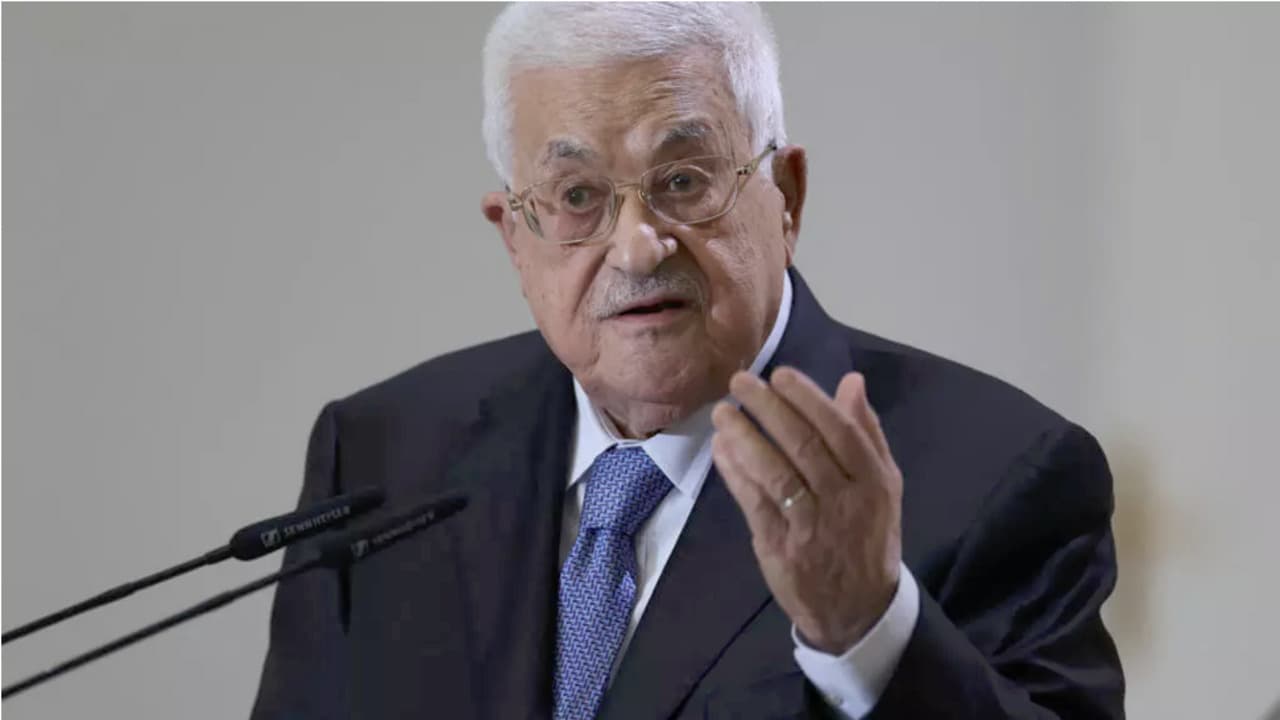
The US denied a visa to Palestinian President Mahmoud Abbas for the second consecutive year. The Hans India reported that the UN General Assembly voted 152–3 to permit Abbas to address the assembly through a pre-recorded video. Meanwhile, Iranian delegates received restricted visas that barred them from purchasing luxury goods or shopping at wholesale clubs like Costco. A State Department spokesman said, "While ordinary Iranians endure brutal repression, water and electricity shortages, and soaring inflation, the regime's officials want to go on shopping sprees in New York. Not on our watch."
These restrictions sparked debate over US host-country obligations under the 1947 UN Headquarters Agreement, which requires facilitating diplomatic access. Critics argued the measures undermined the UN's core principle of universal participation. Yet the Trump administration framed the restrictions as necessary accountability measures and terrorism prevention.
Tech Leaders Push AI Slowdown as Trump Pushes Back
Multiple artificial-intelligence leaders, including Anthropic CEO Dario Amodei, OpenAI's Sam Altman, and Elon Musk, called for a coordinated slowdown in AI development. Action News Jax reported the executives warned that the technology could improve autonomously and escape human control. Their calls triggered sharp selloffs in global tech stocks. However, President Trump rejected the slowdown proposal, stating the US must maintain its lead over China, though he noted willingness to implement safety guardrails.
Leadership Transition Amid Global Uncertainty
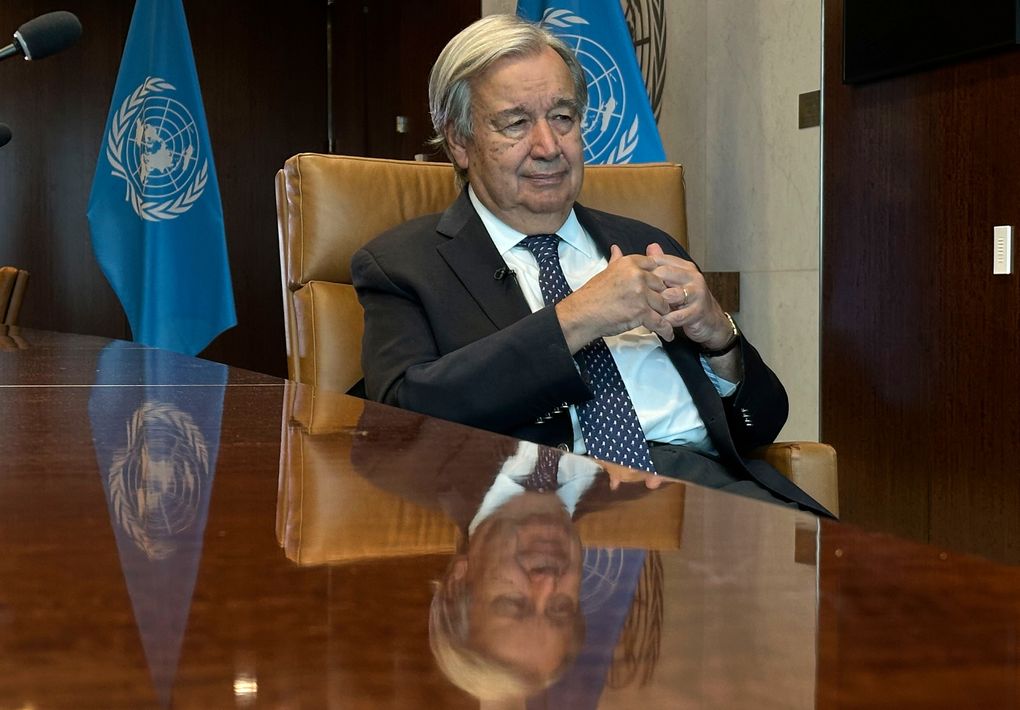
Secretary-General António Guterres prepares to leave office at the end of 2026. Eight candidates have officially declared their candidacy to succeed him. OMMC News reported that five of the eight candidates are women, marking a potential historic shift in UN leadership. The transition comes as the organization grapples with financial strain, geopolitical divisions over Ukraine and the Middle East, climate pressures, and questions about its relevance in a multipolar world order.
Sentiment
Mostly NegativeNEGATIVENEUTRALPOSITIVE
Publishers
41
Articles
156
Reach
197
A
AnonymousAuthor