Gaza School Year Begins for 541,000 Students
Gaza School Year Begins for 541,000 Students
Anonymous
Key Points
1
The delayed start was attributed not only to the war’s disruption but also to technical and logistical problems and concerns about extreme heat, particularly because many students are studying in tents and caravans.
2
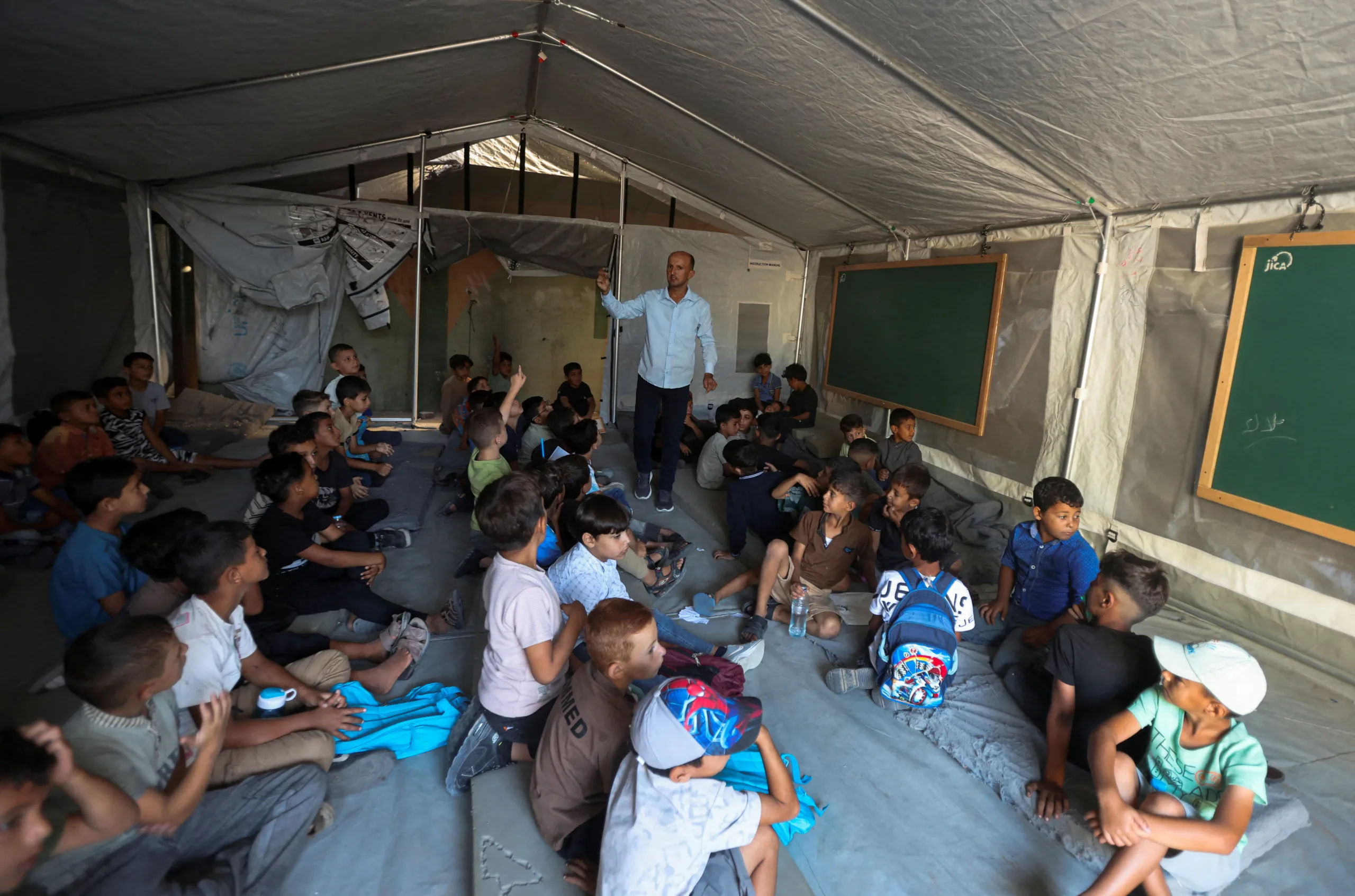
At an UNRWA school in Nuseirat refugee camp, some pupils had to sit on classroom floors because there were not enough desks. UNRWA teacher Raja al-Nabahin said students also lacked basic stationery and schoolbooks needed to address learning loss.
3
A parent in Nuseirat described the profound disruption to children’s childhoods, saying her six-year-old son, who was three when the war began, “does not know what school means, what a morning assembly means, or what normal life is.”
4
UNRWA previously reported that more than 280,000 children were receiving basic literacy and numeracy support through its digital learning program, in addition to tens of thousands attending in-person classes in temporary spaces.
5
The United Nations Office for the Coordination of Humanitarian Affairs said preparations included 359 temporary learning spaces across Gaza, a separate figure from the Education Ministry’s approximately 700 learning points and 25 planned temporary schools.
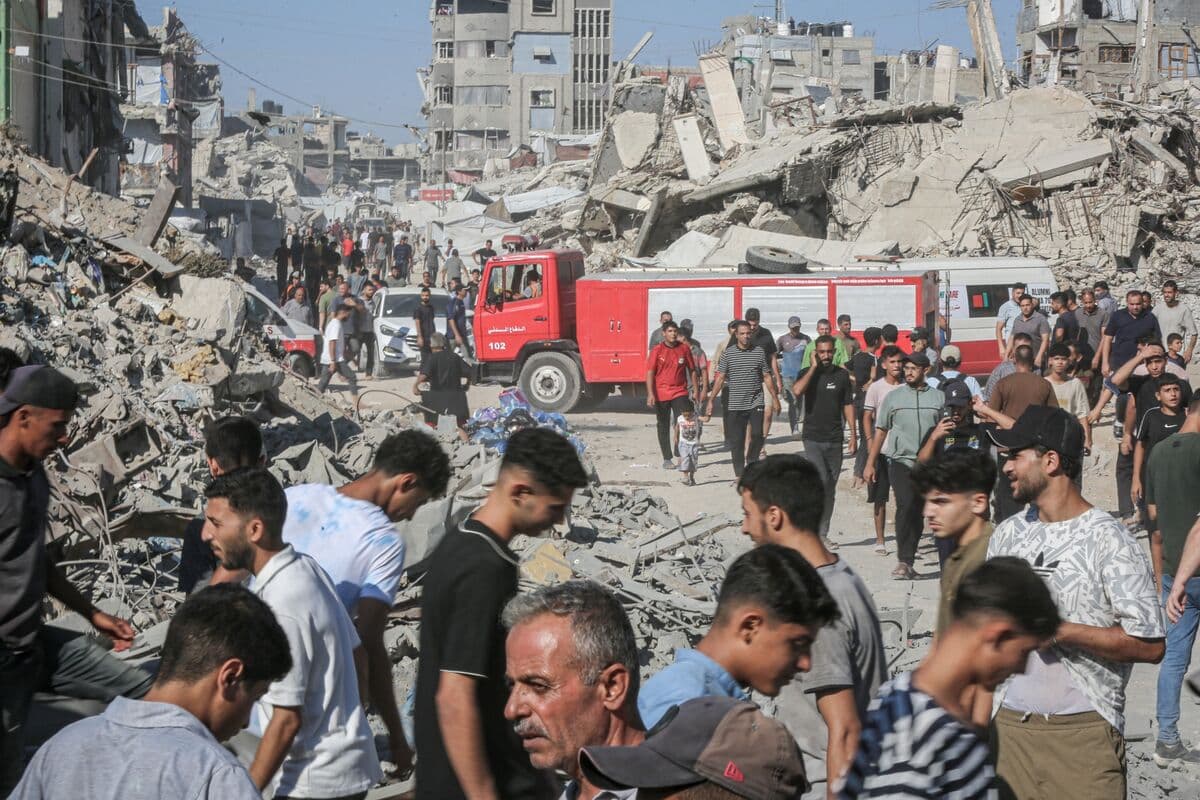
After nearly three years without in-person classes, about 541,000 students in Gaza returned to school this week, marking a major milestone in the territory's recovery from devastating conflict. But the comeback is deeply marked by destruction — many children are learning in damaged buildings, tents, caravans, and makeshift spaces rather than traditional classrooms Cyprus Inform.
Education authorities set up roughly 700 learning points and 25 temporary schools across Gaza. However, severe shortages of desks, textbooks, and basic supplies underscore the enormous challenges ahead. Sinar Daily reports that some students must sit on classroom floors due to lack of furniture, and many lack even basic stationery.
Learning in Tents and Damaged Buildings
The physical conditions for learning remain dire. At an UNRWA school in Nuseirat refugee camp, pupils sit on floors because there are not enough desks available. UNRWA teacher Raja al-Nabahin explained that students also lack textbooks and basic stationery needed to address massive learning loss Cyprus Inform.
The school year's delayed start reflected more than just war damage. Education officials cited technical problems, logistical challenges, and extreme heat concerns — a particular risk when many students study in tents and caravans exposed to Gaza's climate Sinar Daily.
The Toll on Young Children's Development
The war has stolen crucial years from Gaza's youngest students. One mother in Nuseirat described the profound impact, saying her six-year-old son, who was only three when fighting began, "does not know what school means, what a morning assembly means, or what normal life is." Geo TV
This lost time represents a critical gap in childhood development. Nearly three years away from peers, routine, and structured learning has disrupted not just academic progress but basic social and emotional growth for an entire generation Geo TV.
Hybrid Learning Model Serves Displaced Students
Not all 541,000 students can attend in-person classes. About 70,000 students inside Gaza who cannot physically reach schools are now attending virtual classes. An additional 20,000 students abroad also receive distance learning Saba. This hybrid approach attempts to keep education running despite displacement and ongoing instability.
UNRWA, the UN agency for Palestinian refugees, previously reported that more than 280,000 children were receiving basic literacy and numeracy support through its digital learning program. Around 100,000 students total are enrolled in UNRWA schools, which depend heavily on temporary facilities and distance learning Cyprus Inform.
The Scale of Reconstruction Needed
The humanitarian response has begun but faces enormous gaps. The United Nations Office for the Coordination of Humanitarian Affairs documented 359 temporary learning spaces across Gaza. The Education Ministry separately reported approximately 700 learning points and 25 planned temporary schools — showing both the scope of effort and the patchwork nature of current solutions Sinar Daily.
Shortages span every category: classrooms, desks, textbooks, and stationery. These material gaps directly impact children's ability to recover academically and emotionally from years of disruption. Rebuilding Gaza's education system will require sustained resources and international support far beyond what has been mobilized so far Geo TV.
Sentiment
Mostly NegativeNEGATIVENEUTRALPOSITIVE
Publishers
14
Articles
9
Reach
23
Topics
A
AnonymousAuthor