Nuclear Plant Repairs
Zaporizhzhia Nuclear Plant Ceasefire Enables Critical Repairs to Avert Disaster
Anonymous
Key Points
1
The IAEA said this was the seventh localized ceasefire that Rafael Grossi had negotiated around the plant since Russia’s full-scale invasion, reflecting repeated efforts to prevent a nuclear accident.
2
Ukraine’s state nuclear operator, Energoatom, described the August 20 outage as the plant’s 27th blackout since the invasion and warned that repeated power losses were worsening equipment conditions and increasing nuclear and radiation-safety risks.
3
Although all six reactors are in cold shutdown, the facility still requires continuous electricity to cool the reactors and spent-fuel pools and prevent overheating.
4
Before the war, the plant had 10 external power lines; the line damaged on August 20 was the last one still available to supply the facility.
5
Russian Foreign Ministry spokesperson Maria Zakharova accused the opposing side of deliberately provoking a nuclear catastrophe, illustrating the competing wartime narratives surrounding attacks and risks near the plant.
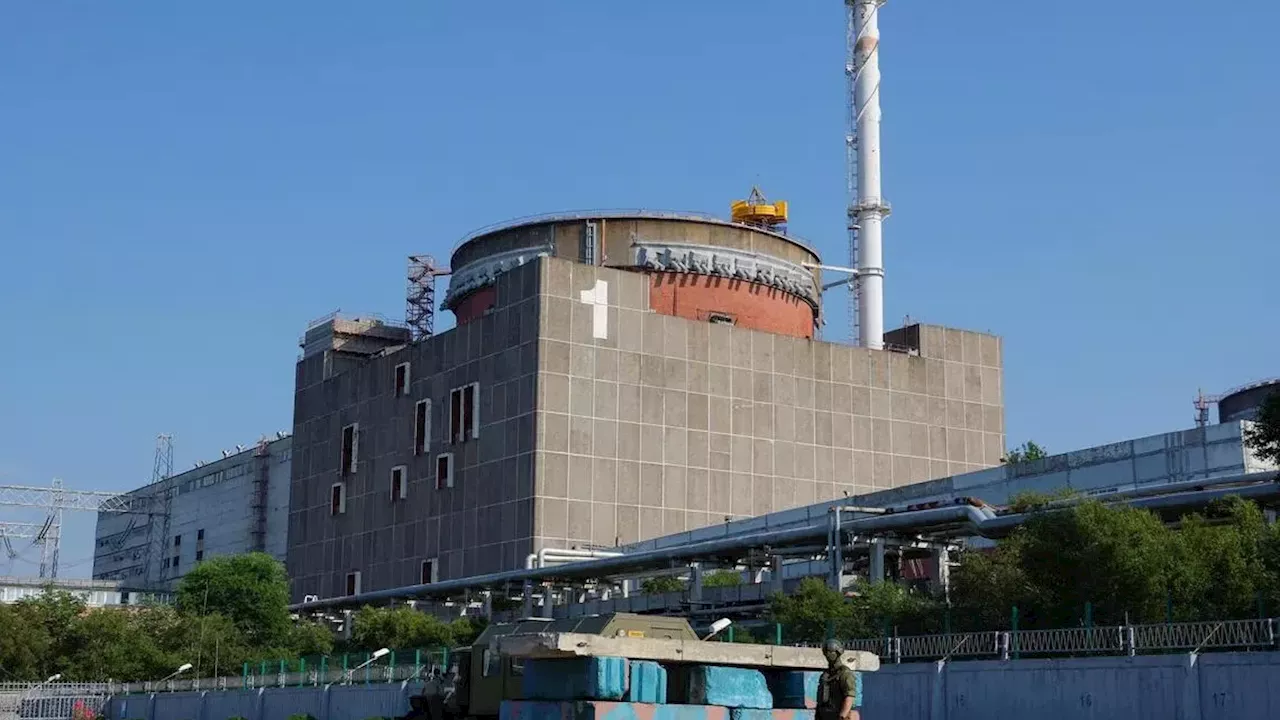
Russia and Ukraine agreed to a localized ceasefire around the Zaporizhzhia nuclear plant to repair its last functioning external power line, damaged on August 20. IAEA warned that diesel generators powering the facility could run dry within days, risking a catastrophic station blackout. Ukrainian technicians were set to begin repairs after the surrounding area is cleared of mines, with international monitors watching closely.
Europe's largest nuclear plant has now suffered 27 blackouts since Russia's full-scale invasion began. All six reactors sit in cold shutdown but still need constant electricity to cool the cores and spent-fuel pools. Without power, temperatures would rise and fuel could overheat — risking a nuclear accident in an active war zone.
The Last Power Line Fails During Fighting
The Zaporizhzhia plant originally had 10 external power lines before the war. The line damaged on August 20 was the final one still working. Energoatom, Ukraine's state nuclear operator, called this the plant's 27th blackout since the invasion began.
Losing that line forced the facility to switch entirely to emergency diesel generators. These backup systems keep the reactors cool but burn fuel fast. IAEA warned reserves could empty within days if the line stayed broken.
Seven Ceasefires Since the Invasion Began
IAEA Director Rafael Grossi has negotiated seven localized ceasefires around the plant since Russia invaded Ukraine. Each one aimed to prevent a nuclear disaster. This ceasefire — starting September 5 — is the latest effort to keep the facility safe during active fighting.
The ceasefires show how precarious the situation remains. Repeated blackouts are damaging equipment and worsening safety conditions. Energoatom warned that each power loss increases radiation and nuclear risks at the site.
Competing Claims About Who Threatens the Plant
Both sides blame each other for the attacks and power losses. Russian Foreign Ministry spokesperson Maria Zakharova accused the opposing side of deliberately provoking a nuclear catastrophe. Ukraine says Russian forces are responsible for the damage.
The IAEA remains neutral and focuses on preventing disaster through on-site monitoring. International inspectors are overseeing the repair work to ensure both sides hold the ceasefire. A station blackout would be catastrophic — potentially affecting millions across Europe.
Sentiment
Mostly NegativeNEGATIVENEUTRALPOSITIVE
Publishers
24
Articles
30
Reach
54
Topics
A
AnonymousAuthor


