EV Charging Economics
Electric Vehicle Charging Costs Spark Debate as Drivers Weigh Savings Against Barriers
Anonymous
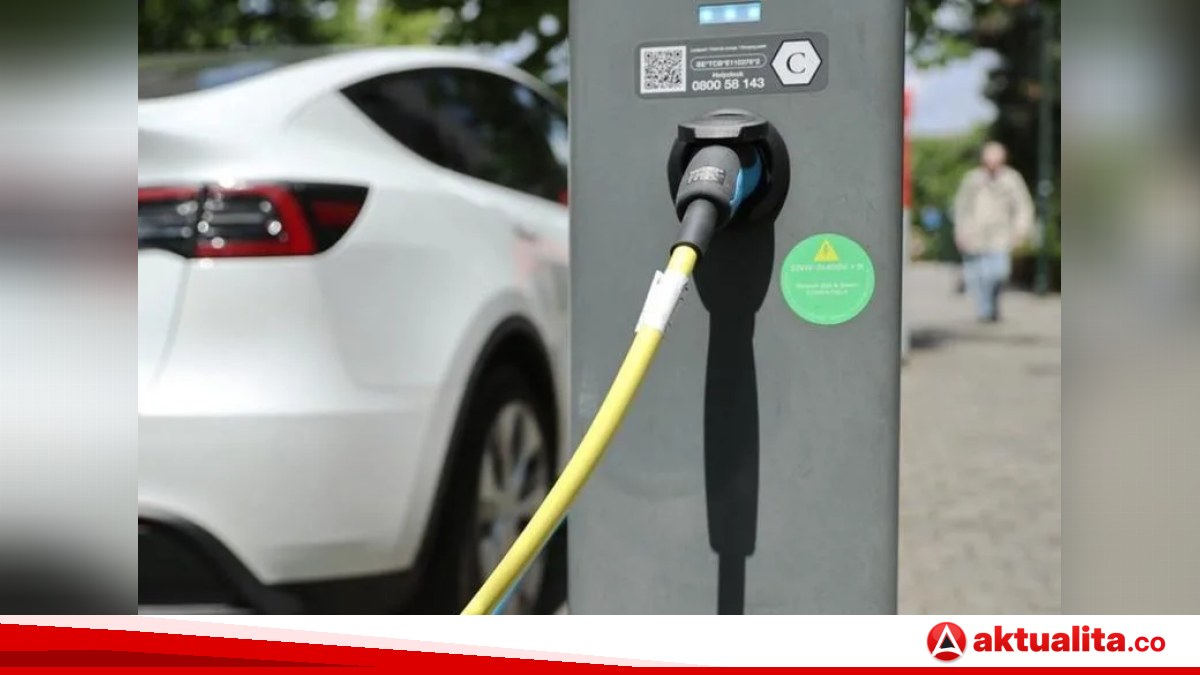
Recent discussions of electric-vehicle adoption highlight both its potential savings and the barriers that shape the choice. One comparison estimates that charging at home can cost far less than gasoline, while noting that expensive public fast charging and vehicle ownership costs can narrow the advantage; another UK analysis found an electric SUV could still cost less to run than a diesel model without home charging amid record diesel prices. Advocates in Europe want public-charging rules to prioritize transparent, standardized pricing and easier payment, while a U.S. charging network has introduced a feature that lets customers start sessions without reopening an app, scanning a code or using a card. In the United States, President Donald Trump has approved replacement fuel-economy standards expected to give automakers more room to sell gasoline vehicles, though higher fuel prices could still strengthen consumer interest in electrified models.
Key Points
1
The EU’s public charging network reached 1.1 million chargers by the end of 2025, and EU countries were on track to meet or exceed AFIR targets. T&E says the regulation should now focus more on charging quality than simply expanding the network.
2
In a UK comparison based on 10,000 miles, a diesel Audi Q5 at the record diesel price of 199.4 pence per litre would cost about £2,270 to fuel, versus roughly £1,800 to charge an Audi Q6 e-tron without home charging. The EV estimate assumes 70% AC charging and 30% rapid DC charging.
3
A U.S. video comparison used 12,000 miles a year, a 25-mpg gasoline car and gas at $3 per gallon to estimate annual gasoline spending of $1,440, compared with about $550 for an EV charged at home at 16 cents per kWh. The creator estimated gas would need to cost about $1.14 per gallon to match the EV’s per-mile energy cost.
4
Before President Donald Trump approved replacement standards, automakers were projected under the prior CAFE rules to reach a fleetwide average of about 50.4 mpg for cars and light trucks by the 2031 model year.
Sentiment
Mostly NegativeNEGATIVENEUTRALPOSITIVE
Publishers
14
Articles
4
Reach
18
A
AnonymousAuthor


