Electric Truck Expansion Tests Charging Networks
Electric Truck Expansion Tests Charging Networks
Anonymous
Key Points
1
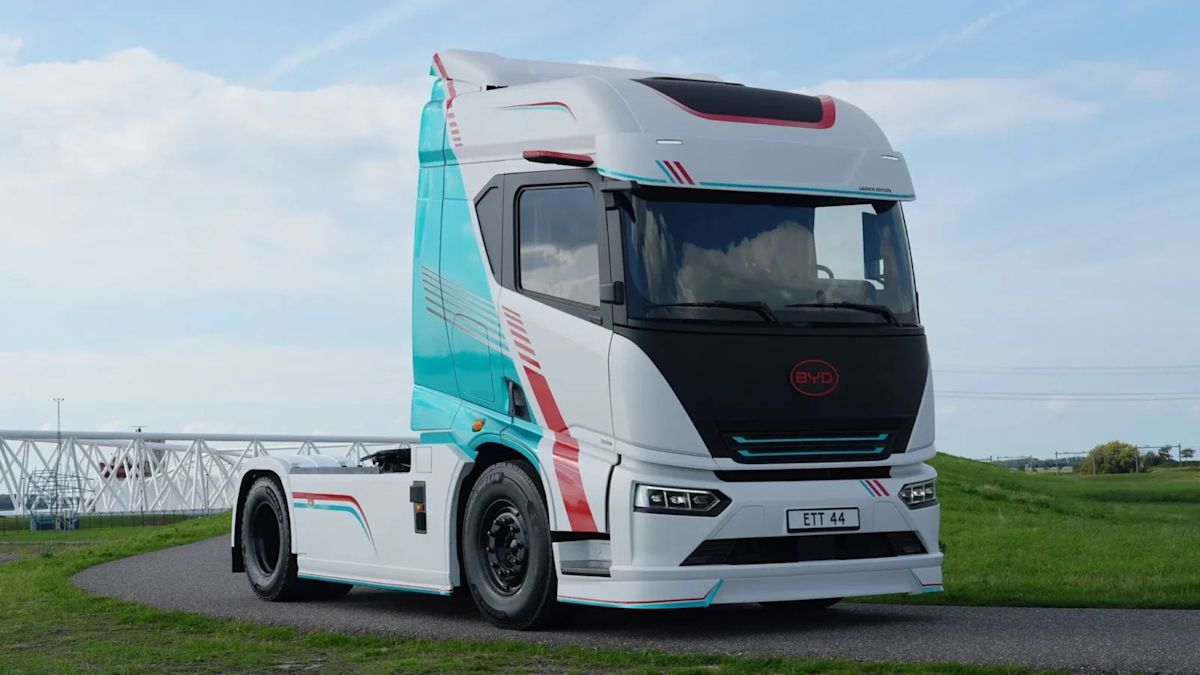
BYD’s ETT 44 uses a 651 kWh Blade Battery on an 851-volt architecture, produces up to 1,000 PS of peak power and includes a battery warranty covering 10 years or 1.2 million kilometers. BYD also displayed electric rigid trucks, a light commercial van and a yard tractor, extending its commercial-vehicle range from 3.5 to 44 tonnes.
2
MAN’s cost comparison for Betonwerk Bad Lausick assumes diesel consumption of 31 liters per 100 kilometers at €1.60 per liter versus electric consumption of 114 kWh per 100 kilometers at €0.20 per kWh. The analysis gives the electric fleet a 9.4% total-cost-of-ownership advantage, potentially rising to 13.3% with deeper integration of depot charging and energy systems.
3
The German Automotive Industry Association counted only 730 dedicated truck-charging stations across 10 EU countries, while 17 EU countries had none. The infrastructure gap is central to what Milence CEO Anja van Niersen calls a “chicken-and-egg” problem: operators want proof that trucks can charge at the right time, speed and location before committing to electric fleets.
4
Tesla’s European-spec Semi is listed with energy consumption of 1 kWh per kilometer, a 9,100-kilogram curb weight and an electric power takeoff rated at up to 25 kW. Tesla says its 800-kW Megacharger can recover about 60% of the truck’s range in 30 minutes, but the company has not announced European pricing or an on-sale date.
Europe's freight industry is on the brink of an electric shift as Chinese and American truck makers introduce vehicles that can travel farther and charge faster than ever before. Yahoo Autos reports that BYD's new ETT 44 offers up to 600 kilometers of range with charging speeds exceeding 1.5 megawatts—enough to restore 80% capacity in roughly 20 minutes. Tesla's European-spec Semi promises 550 kilometers of range and 800-kilowatt charging, though pricing and availability remain unannounced. Yet the promise of lower operating costs clashes with a harsh reality: Europe's charging infrastructure for heavy trucks remains dangerously sparse.
German logistics operator Betonwerk Bad Lausick projects savings of €500,000 over five years by switching just five trucks to electric power, TechEblog shows. But without reliable charging networks across the continent, fleet operators hesitate to make the leap. Industry leaders now agree that coordinated investment in vehicles, charging stations, energy systems and infrastructure must happen together—or the electric freight revolution could stall before it starts.
BYD's ETT 44 Raises the Bar for Electric Trucks
The ETT 44 sits at the center of BYD's European push. Yahoo Autos states it uses a 651-kilowatt-hour Blade Battery on an 851-volt architecture, producing up to 1,000 horsepower. The truck comes with a 10-year battery warranty covering 1.2 million kilometers. BYD is now displaying electric rigid trucks, light commercial vans and yard tractors spanning from 3.5 to 44 tonnes, signaling a complete family of commercial vehicles.
Automotive Logistics Media reports that BYD plans to begin European production by the second quarter of next year as part of a long-term strategy to build three assembly plants and one battery factory in Europe. The company sees local manufacturing as essential to meeting EU regulations and building a sustainable supply chain in its largest growth market outside China.
Real Savings But Hidden Barriers
MAN's analysis for Betonwerk Bad Lausick shows electric trucks can already beat diesel on economics. Diesel costs 31 liters per 100 kilometers at €1.60 per liter, while electric consumes 114 kilowatt-hours per 100 kilometers at €0.20 per kWh. The result: a 9.4% total-cost-of-ownership advantage for electric fleets, potentially rising to 13.3% with integrated depot charging and energy systems including solar and battery storage.
Yet the math means nothing without the infrastructure. The German Automotive Industry Association counted only 730 dedicated truck-charging stations across 10 EU countries. Seventeen EU nations have zero. Milence CEO Anja van Niersen calls it a "chicken-and-egg" problem: operators want proof trucks can charge reliably before committing capital, but charging networks won't expand without buyer demand.
Tesla's Megacharger Strategy Faces Uncertainty
Tesla's European-spec Semi consumes 1 kilowatt-hour per kilometer with a 9,100-kilogram curb weight and a 25-kilowatt electric power takeoff. The company's 800-kilowatt Megacharger can recover roughly 60% of range in 30 minutes—faster than competitors but still slower than diesel refueling. Tesla has disclosed no European pricing or launch date, leaving fleet planners without concrete timelines.
Infrastructure Investment Becomes the Deciding Factor
Truck electrification will ultimately hinge on whether Europe's public and private sectors align on charging networks. Automotive Logistics Media reports that manufacturers and charging providers now push for coordinated investment spanning vehicles, depot chargers, energy systems and cross-border infrastructure. Without this coordination, even fleets with attractive economics will avoid switching—unable to guarantee they can charge when and where they need to.
Sentiment
Mostly PositiveNEGATIVENEUTRALPOSITIVE
Publishers
23
Articles
51
Reach
74
A
AnonymousAuthor


