SC Flags Mechanical Notices to 33 Lakh Voters
SC Flags Mechanical Notices to 33 Lakh Voters
Anonymous
Key Points
1
Petitioners said 91% of voters who appealed against the alleged logical discrepancies were subsequently re-included on the electoral roll, while arguing that the restoration process could take years. They said the draft roll excluded 33 lakh voters out of a total of about 97 lakh.
2
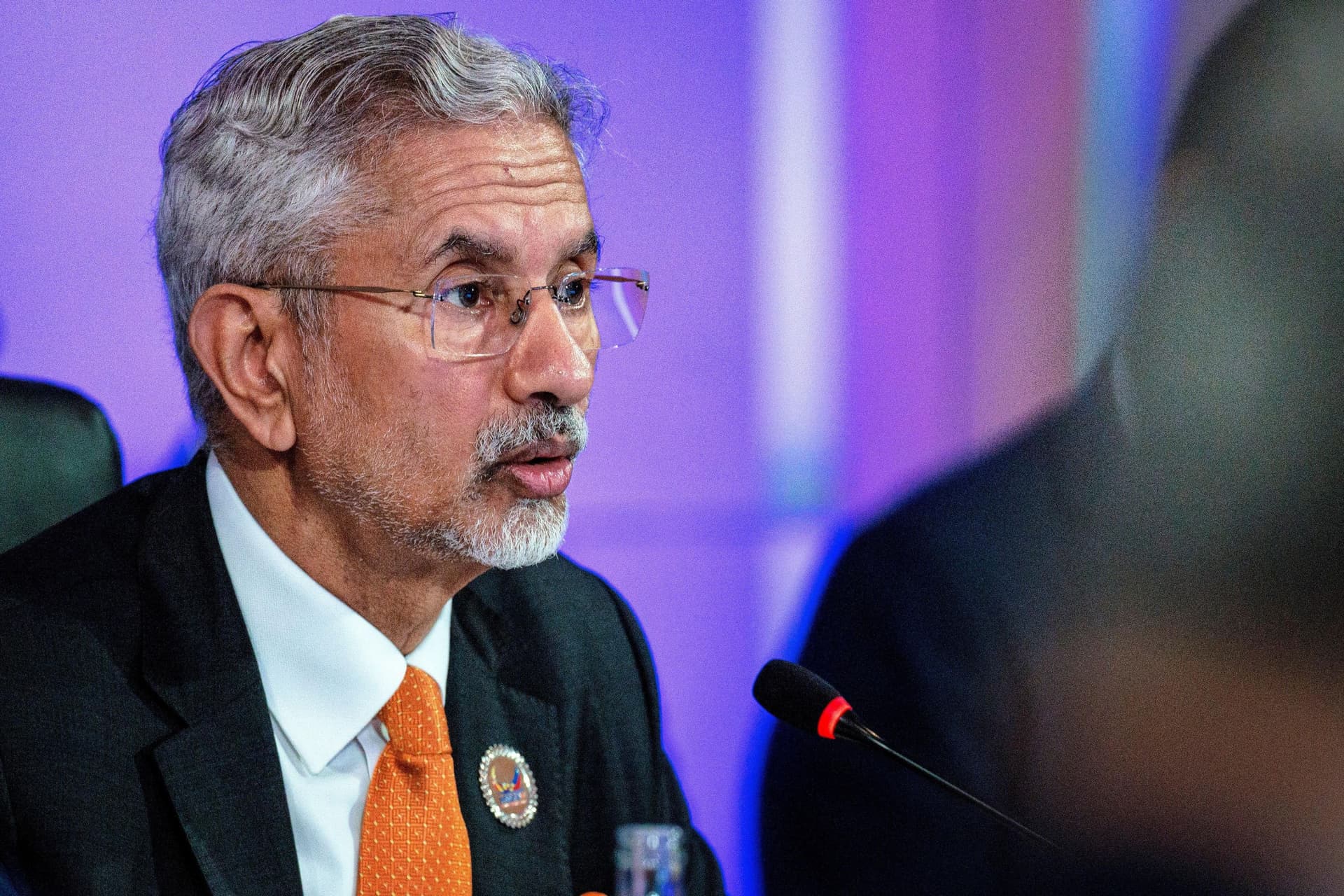
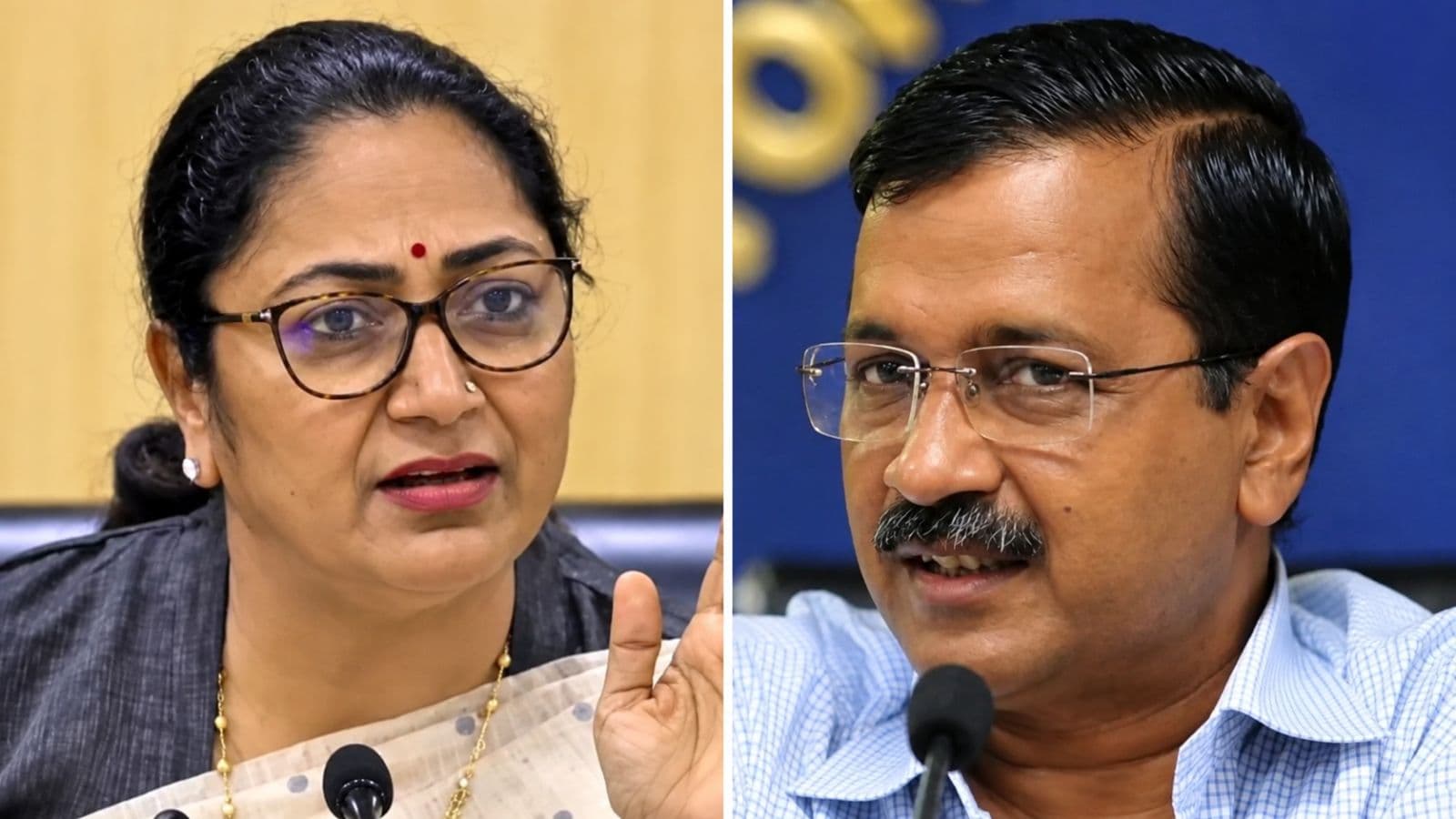
The notices reportedly reached prominent public figures, including External Affairs Minister S. Jaishankar, current Delhi Chief Minister Rekha Gupta, former Delhi Chief Minister Arvind Kejriwal, former Deputy Prime Minister L.K. Advani and senior advocate Kapil Sibal.
3
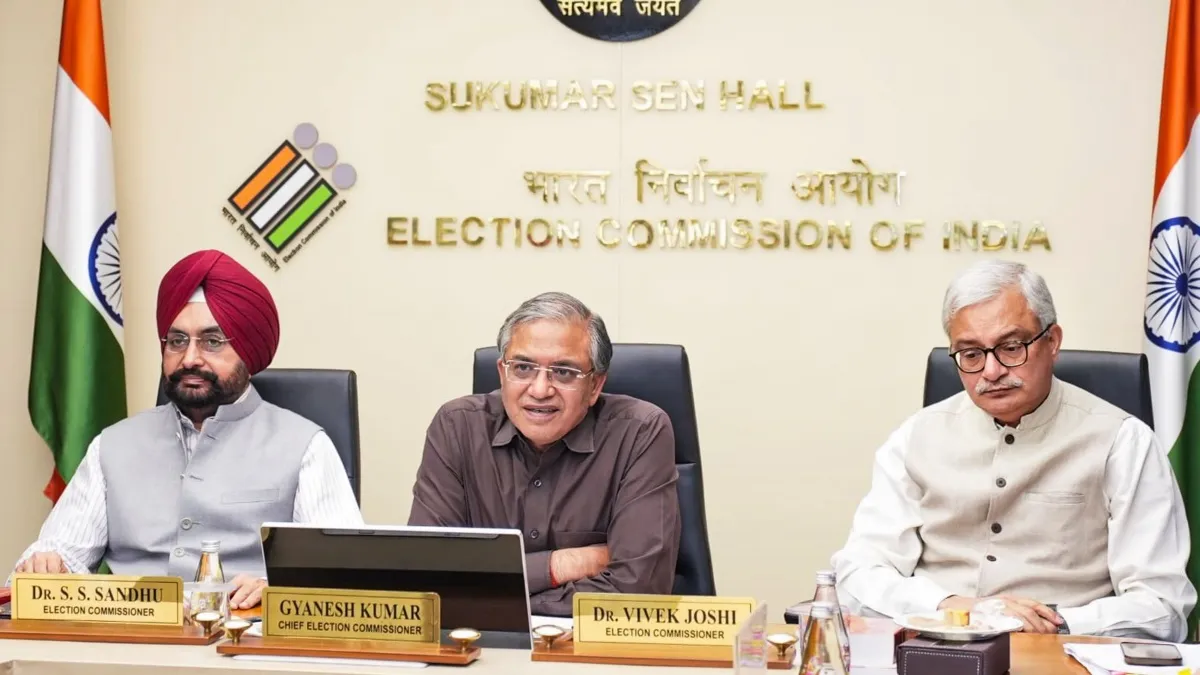
The Election Commission told the court that about 14,000 to 15,000 Booth Level Officers and 1,200 Electoral Registration Officers had been deployed to handle the revision exercise.
4
The petitioners said daily-wage workers and other voters faced serious practical obstacles in responding to notices, including allegedly having to wait for hours to meet officials.
The Supreme Court questioned the Election Commission's process for notifying over 33 lakh Delhi voters about alleged discrepancies in their voter records, saying many notices appeared generated automatically without proper review Rediff. The court asked the commission to clarify its criteria, algorithms, and safeguards used to flag voters as having "logical discrepancies" or missing matches in earlier records.
Petitioners told the court that 91% of voters who appealed against these notices were later reinstated on the electoral roll, yet the restoration process could take years Rediff. The flagged voters represent about one-third of Delhi's roughly 97 lakh draft voters, raising concerns about potential exclusion from upcoming elections.
High-Profile Names Among Those Flagged
The mass-notification process reached prominent public figures, embarrassing the Election Commission. External Affairs Minister S. Jaishankar, Delhi Chief Minister Rekha Gupta, former Chief Minister Arvind Kejriwal, former Deputy Prime Minister L.K. Advani, and senior advocate Kapil Sibal all received notices questioning their voter status.
Appeal Success Rate Exposes Pattern of Errors
When voters challenged the Election Commission's flagged notices, courts and officials reversed course at an extremely high rate. Rediff reported that 91% of voters who appealed were ultimately restored to electoral rolls, suggesting the initial notices contained flawed or insufficient evidence. Yet petitioners warned that the full restoration process could drag on for years, effectively delaying voting eligibility.
Daily-wage workers and other voters faced serious obstacles responding to notices. Some had to wait hours to meet officials, and many struggled to gather the documentation demanded by the process. The court suggested alternatives like email and WhatsApp responses to make it easier for struggling voters to defend their status.
Election Commission Deploys Thousands for Revision Exercise
The Election Commission told the court it had deployed roughly 14,000 to 15,000 Booth Level Officers and 1,200 Electoral Registration Officers to handle the Special Intensive Revision process Rediff. These officers were tasked with reviewing and explaining the discrepancy notices sent to millions of voters. The court questioned whether such staffing was sufficient to review notices fairly without cutting corners.
Supreme Court Seeks Clearer Process and Safeguards
The bench suggested several practical improvements: allowing voters to submit responses online via email or WhatsApp, providing better assistance from Booth Level Officers, and publishing public FAQs that clearly explain how the Election Commission identifies discrepancies Rediff. The court ordered the Election Commission to provide written responses addressing these concerns. The court is expected to revisit the issue after receiving the commission's detailed submission.
Sentiment
Mostly NegativeNEGATIVENEUTRALPOSITIVE
Publishers
38
Articles
30
Reach
68
A
AnonymousAuthor