Xiaomi 18 Pro Series Plans Sept. 23 China Launch
Xiaomi 18 Pro Series Plans Sept. 23 China Launch
Anonymous
Key Points
1
The Pro Max’s 8,500mAh battery is about 21% larger than the Pro’s 7,000mAh cell and 1,000mAh larger than the previous Xiaomi 17 Pro Max, but the increased capacity will not necessarily translate into 21% longer battery life because usage, processor efficiency and software also matter.
2
Both phones are expected to use batteries with 32% silicon content. Although silicon can store more charge than graphite in the same space, it can swell and crack after repeated cycles, making Xiaomi’s reported ability to use the material at this level a notable engineering challenge.
3
Xiaomi has not disclosed the camera sensor sizes or apertures, so the identical 200-megapixel specifications do not establish that the Pro and Pro Max will deliver the same image quality.
4
The display is expected to use a new M11 luminescent material system, which Xiaomi says is intended to improve brightness and power efficiency alongside the 0.99mm bezels.
5
Processor speculation remains open beyond the expected Snapdragon option: Xiaomi has announced its own XRING 03 flagship chipset, and one report says it could power the Xiaomi 18 Pro series, while leaks point instead to Snapdragon 8 Elite Gen 6 chips.
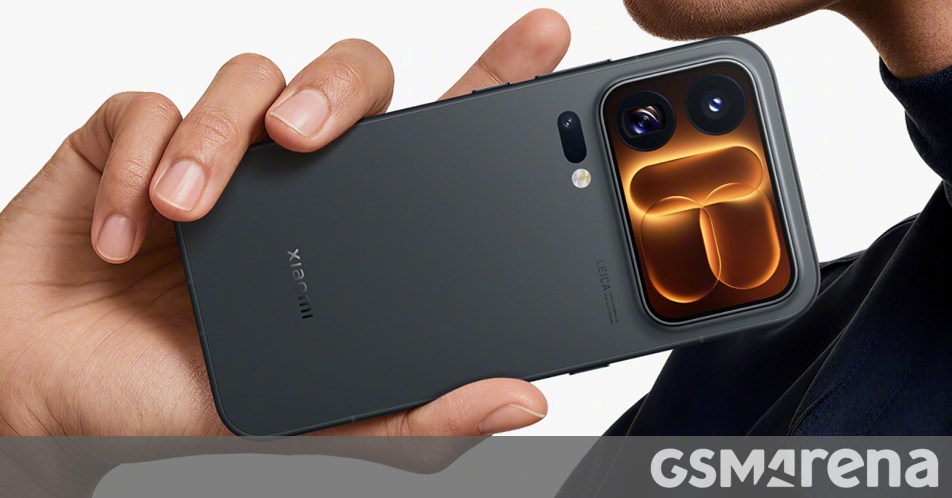
Xiaomi will launch the Xiaomi 18 Pro and 18 Pro Max in China on September 23, 2026, at 7 p.m. local time, according to GSMArena. The flagship phones will skip the standard model and jump straight to Pro variants, packed with a 2nm mobile platform, HyperOS 4, ultra-thin 0.99mm bezels, and dual 200-megapixel Leica-tuned cameras. The Pro Max's 8,500mAh battery dwarfs the Pro's 7,000mAh cell, but Xiaomi leadership has already signaled that prices will climb from the previous generation's starting point due to major improvements in performance, display quality, and imaging.
Both phones will use silicon-rich battery technology with 32% silicon content, designed to pack more energy into the same space without making the phones thicker. Silicon stores more charge than graphite gram-for-gram, but it swells and cracks over time—making Xiaomi's engineering of this system a notable challenge. The processor remains unconfirmed, though Qualcomm's Snapdragon 8 Elite Gen 6 is widely expected alongside rumors of Xiaomi's own XRING 03 chipset.
Battery and Thickness: Silicon Breakthrough Without Bloat
The Pro Max's 8,500mAh battery is 21% larger than the Pro's 7,000mAh cell and 1,000mAh bigger than the Xiaomi 17 Pro Max, according to Ascendants. That larger capacity won't automatically mean 21% longer battery life—processor efficiency, software optimization, and real-world usage patterns also drive longevity. Both phones pack batteries with 32% silicon content, a material that can store significantly more charge than traditional graphite in the same physical space.
Silicon's downside is real: it swells and cracks after repeated charge cycles. Xiaomi's ability to deploy the material at this concentration level represents a genuine engineering feat. The company has engineered these batteries using what it calls silicon-rich technology, a term that hints at years of R&D to keep the phones slim while maximizing battery capacity.
Dual 200MP Cameras Lack Key Details on Actual Performance
Both the Pro and Pro Max will sport identical dual 200-megapixel systems tuned by Leica, according to GSMArena. The matching specs mask a critical gap: Xiaomi has not revealed sensor sizes or lens apertures. Megapixels alone don't determine image quality. Two cameras with the same pixel count can deliver wildly different photos if one uses a larger sensor or wider aperture. Without those specs, it's impossible to predict whether the Pro and Pro Max will actually match in real-world photo quality.
The rear secondary display is a standout feature that sets these phones apart from standard flagships. Leica's involvement signals Xiaomi's commitment to imaging credibility, but the brand name alone doesn't guarantee superior performance over competing camera systems.
New Display Tech and Hardware Privacy Features Debut
The Xiaomi 18 Pro series will debut a new M11 luminescent material system designed to boost brightness and power efficiency alongside the ultra-thin 0.99mm bezels, per LiveMint. Narrower bezels improve the screen-to-body ratio, while the M11 material aims to deliver brighter images without draining the battery faster. Both advances target the premium flagship market where display quality directly influences buyer decisions.
A hardware-level privacy screen is another standout upgrade, according to GSMArena. This feature prevents side-viewers from seeing what's on your display—a practical addition for those handling sensitive data in public. Combined with HyperOS 4, the phones promise both physical and software-level security improvements over the previous generation.
Processor Still Unconfirmed: Snapdragon or Xiaomi's Own Chip?
Qualcomm's Snapdragon 8 Elite Gen 6 is the most widely expected processor, but Xiaomi has not officially confirmed which chip will power the 18 Pro series. The company has announced its own XRING 03 flagship chipset, and leaks suggest it could appear in the Pro models. Until launch day, speculation will likely continue on whether Xiaomi opts for Qualcomm's battle-tested flagship or its own homegrown silicon.
Sentiment
Mostly PositiveNEGATIVENEUTRALPOSITIVE
Publishers
19
Articles
8
Reach
27
Topics
A
AnonymousAuthor


