Internal Redesign And Repair Challenges
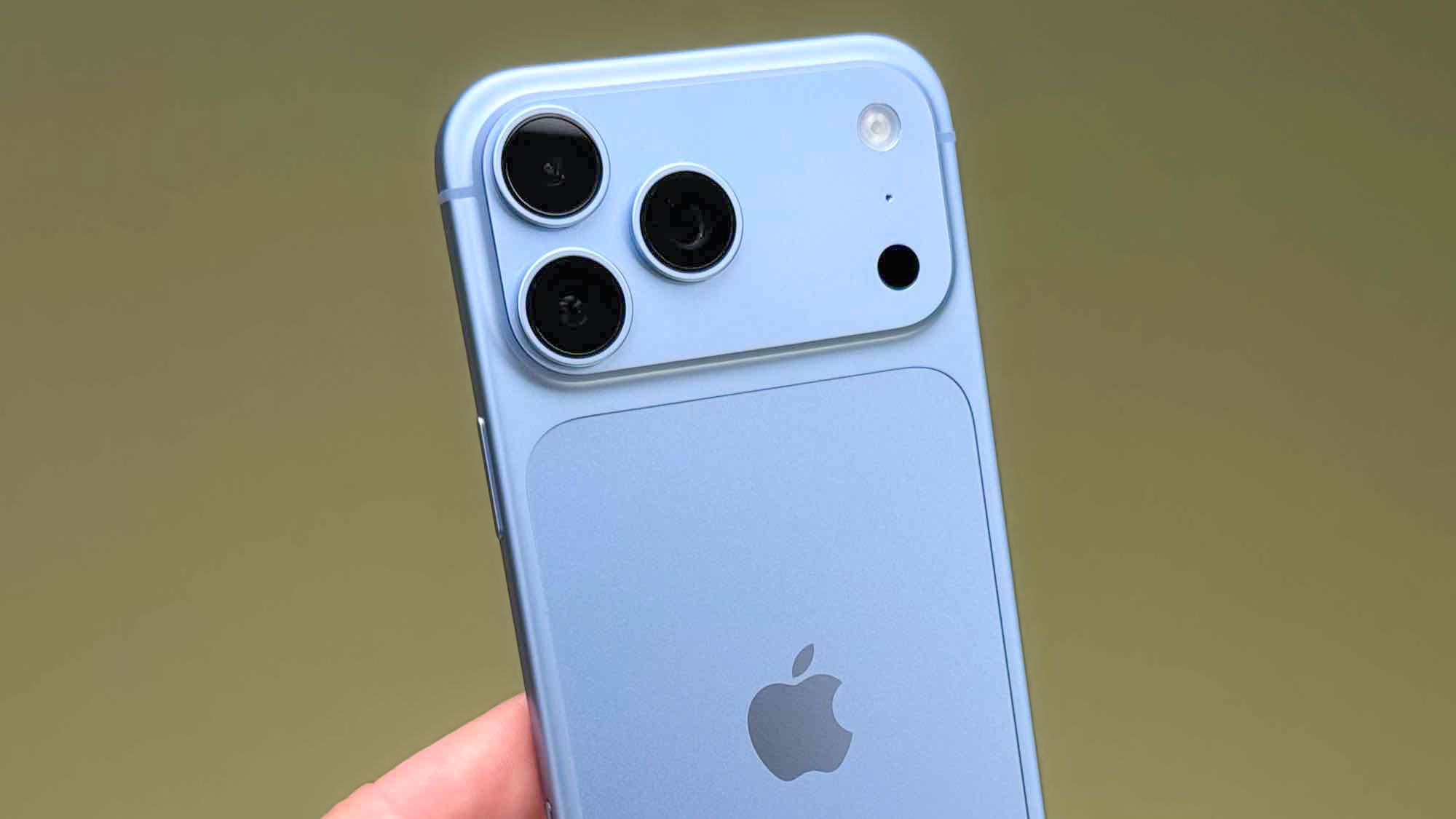
iPhone 18 Pro Teardown Reveals Mechanical Aperture And Hidden Face ID
Anonymous
Key Points
1
The variable-aperture mechanism uses six tiny polymer-composite blades controlled by electromagnets. During iFixit’s teardown, one blade flew out of the lens assembly, leading iFixit to say that a stuck aperture would likely require replacing the entire main-camera module rather than repairing the mechanism.
2
The physical-SIM version examined by REWA contains a 4,056 mAh battery—about 1.7% larger than the iPhone 17 Pro’s battery—while eSIM-only models sold in the U.S., Canada, Japan and other markets use an even larger battery.
3
REWA found that NAND storage and power-management ICs are sandwiched between motherboard layers, meaning technicians must separate those layers to access them. It also found that a surface-mounted logic EEPROM is no longer shielded and is therefore more exposed to physical damage.
4
The redesign creates challenges for aftermarket display manufacturers: reproducing the specialized infrared-transmitting pixel pattern and the relocated Face ID camera may be difficult for suppliers that do not have access to Apple’s display-production process.
Teardowns of Apple's iPhone 18 Pro expose a device rebuilt from the inside out — complete with a variable-aperture camera that adjusts like a real lens, Face ID hidden under the display, and a heat-dissipating vapor chamber three times larger than before. iFixit and TechInsights found the changes deliver impressive engineering but create serious repair headaches: the delicate camera mechanism is nearly unrepairable, and layered components require complete disassembly to service.
Variable Aperture Camera Is a Marvel and a Nightmare
The iPhone 18 Pro's main camera uses six tiny polymer-composite blades controlled by electromagnets to adjust from f/1.48 to f/4 — mimicking professional cameras. iFixit discovered during teardown that one blade flew out when the lens assembly was disturbed, revealing the mechanism's fragility.
A stuck or broken aperture likely means replacing the entire camera module rather than fixing the mechanism alone. This marks a major shift: users lose the option to repair individual components, forcing costly replacements instead.
Face ID Moved Beneath the Display Glass
Apple relocated the infrared Face ID camera under the screen using a specialized pixel pattern and filter that lets infrared light pass through. This allowed the company to shrink the Dynamic Island notch significantly while maintaining full facial-recognition speed and accuracy.
The shift creates a major headache for aftermarket screen makers. Reproducing the infrared-transmitting pixel layout without access to Apple's manufacturing data is extremely difficult, likely pushing customers toward official Apple repairs.
Larger Battery and Layered Internals Complicate Repairs
Physical-SIM iPhone 18 Pro models contain a 4,056 mAh battery — 1.7% larger than the iPhone 17 Pro. eSIM-only variants sold in the U.S., Canada, and Japan use even bigger batteries, according to REWA.
But accessing other components now requires peeling apart the motherboard itself. REWA found that NAND storage and power-management chips are sandwiched between layers, forcing technicians to separate them to reach damaged parts. An unshielded logic EEPROM is also now more vulnerable to physical damage.
Snapdragon Modem Still in Some U.S. Models
TechInsights teardown of the U.S. iPhone 18 Pro Max found Qualcomm's Snapdragon X80 modem and SDR875 radio hardware inside. This shows Apple's custom C2 modem has not fully replaced Qualcomm components in at least that regional version.
The decision keeps Apple dependent on Qualcomm for cellular performance in some markets, delaying Apple's goal of complete vertical integration across all iPhone models.
Sentiment
Mostly NegativeNEGATIVENEUTRALPOSITIVE
Publishers
19
Articles
11
Reach
30
A
AnonymousAuthor


