Malibu Wildfire Threats
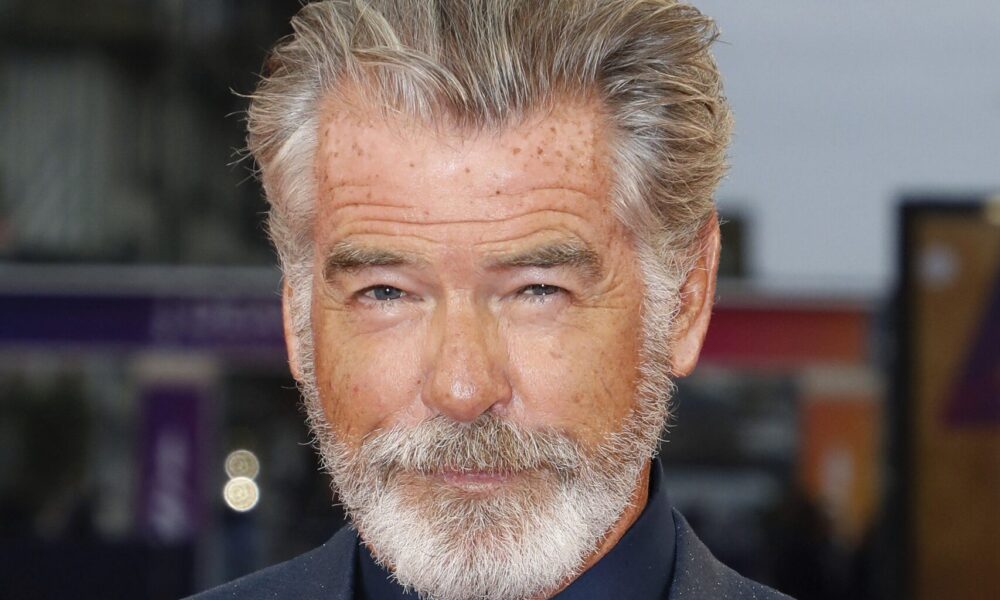
Pierce Brosnan and his wife are considering leaving their Malibu compound due to wildfire threats.
Anonymous
Key Points
1
The Malibu estate, known as The Orchid House, was inspired by the couple’s travels in Thailand while Brosnan filmed *Tomorrow Never Dies*. They bought the land in 2000, waited about a decade for construction to finish and moved into the home around 2010.
2
The 12,500-square-foot compound includes a 20-seat screening room, Brosnan’s painting studio, a home gym, recording studio, spa and outdoor saltwater pool, with the main house positioned just feet from the waterfront.
3
During the 2015 garage fire, Brosnan and his family were at home and evacuated after a smoke alarm alerted them to the blaze.
4
The property had previously been listed for sale in 2021 and was reportedly rented for $120,000 a month, underscoring the scale of the estate’s real-estate value and carrying costs.
5
Despite deciding to leave, Brosnan has previously expressed a strong attachment to the area, telling the *Wall Street Journal*, “I love Malibu,” and saying that the place “has my heart.”
Pierce Brosnan and his wife, Keely Shaye Smith, are preparing to leave their $100 million Malibu mansion after roughly 25 years, citing repeated wildfire threats and earthquake risks as primary concerns Yahoo News. The couple's 12,500-square-foot estate, called The Orchid House, survived the January 2025 Los Angeles-area fires but has faced disaster before—a 2015 garage fire caused about $1 million in damage. Brosnan told The Times that the emotional strain of constant evacuation fears, combined with steep carrying costs including the mortgage and their children's school fees, has made staying untenable.
The actor, 73, and his wife are considering relocating their primary residence to Hawaii, where they already own property on Kauai US Magazine. The Malibu compound, which the couple spent roughly a decade building after buying the land in 2000, features a 20-seat screening room, Brosnan's painting studio, a home gym, recording studio, spa, and an outdoor saltwater pool positioned just feet from the waterfront.
A Thai-Inspired Dream Home Built Over a Decade
The Orchid House emerged from Brosnan's travels to Thailand while filming *Tomorrow Never Dies* in the 1990s Closer Weekly. The couple purchased the Malibu land in 2000 but waited approximately ten years for construction and design to finish before moving in around 2010. The estate reflects their globe-trotting aesthetic, blending luxury coastal living with carefully curated amenities that supported Brosnan's creative pursuits and the family's privacy.
Wildfire and Earthquake Risks Reshape Lifestyle Calculation
Malibu's recurring fire threat has grown more acute in recent years Kansas.com. Although The Orchid House escaped direct damage during the January 2025 fires, the evacuation experience underscored the property's vulnerability. The 2015 garage fire, which forced Brosnan and his family to evacuate after a smoke alarm alerted them to the blaze, resulted in approximately $1 million in repairs and foreshadowed future financial exposure.
Beyond fire risk, the property sits near an earthquake fault line, adding another layer of long-term uncertainty Yahoo News. For Brosnan, these compounding hazards have transformed what was once an idealized retreat into a source of chronic stress. He previously told The Times that he loved Malibu and the place "has my heart," but repeated disaster scenarios have altered that emotional calculus.
Carrying Costs Add Financial Pressure to Safety Concerns
The $100 million valuation masks a deeper financial reality: the estate demands constant capital investment. The couple faced substantial mortgage obligations, property maintenance, insurance, and school fees for their children—costs that sometimes influenced Brosnan's acting choices US Magazine. Between 2021 and recently, the property had been listed for sale and reportedly rented for $120,000 per month, highlighting the scale of carrying costs.
Relocating to their existing Kauai home eliminates the concentration risk of a single high-cost coastal asset Yahoo News. By pivoting to Hawaii as their primary residence, Brosnan and Smith can reduce ongoing financial strain while gaining geographical diversification and, importantly, relief from the chronic evacuation cycle. The move reflects a shift from preserving an aspirational property to prioritizing predictability and family security.
Sentiment
Mostly NegativeNEGATIVENEUTRALPOSITIVE
Publishers
14
Articles
48
Reach
62
A
AnonymousAuthor


