Expanding Women's Leadership Globally
Global Leaders Urge Greater Women's Leadership Across Governance and Public Institutions
Anonymous
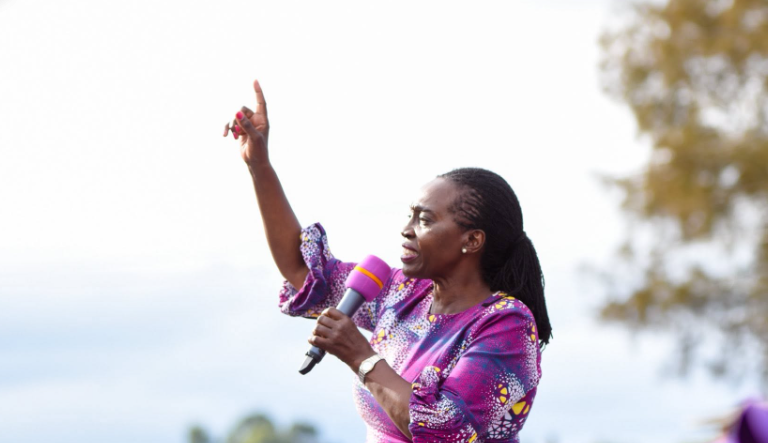
Across several countries, officials and advocates are pressing for women to have greater influence in public leadership, governance and institutional decision-making. In Indonesia, police chief Listyo Sigit Prabowo’s support for female officers advancing to top ranks has drawn backing from observers, who also called for stronger career pathways and leadership at the women’s police school. Malaysia’s Women, Family and Community Development Minister Nancy Shukri urged women to lead with empathy, clear direction and tangible benefits for their communities, while a leadership program in Liberia is equipping women politicians to shape local decisions, budgets and development priorities. In Himachal Pradesh, a discussion among public figures highlighted women’s growing role in grassroots governance and the importance of education that fosters confidence and social responsibility. A UN Women address framed these efforts as part of a wider challenge, citing women’s persistent underrepresentation in leadership, technology and other decision-making, and calling for stronger institutions, protection from public-life violence and more funding for women’s organizations.
Key Points
1
Sandra Rumanama proposed that Indonesia’s Women’s Police School (Sepolwan) be led by a senior officer holding the rank of Police Brigadier General, arguing that stronger leadership there would help develop female officers’ capabilities.
2
Malaysia’s Nancy Shukri pointed to Dr Florence Christie’s representation of Sarawak at the Global Alliance for Healthy Cities conference in Sydney as evidence that Sarawakian women can reach the international stage.
3
Liberia’s weeklong program brought together 26 women leaders from political parties in Buchanan City, and participants examined how to engage in public consultations, influence county development agendas, monitor budgets and projects, and hold officials accountable.
4
In Himachal Pradesh, Prof. Singh proposed incorporating Swami Vivekananda’s teachings into school curricula for different age groups to nurture values from an early age.
5
The UN Women address cited evidence of the benefits of women’s participation: peace agreements are more equitable and durable when women participate meaningfully in peace talks, and stronger women’s representation in parliaments is associated with better health outcomes for children.
Sentiment
Mostly NegativeNEGATIVENEUTRALPOSITIVE
Publishers
17
Articles
3
Reach
20
Topics
A
AnonymousAuthor


