Bangladesh-India Relations Reset
Bangladesh seeks a strategic reset in bilateral relations with India amid lingering regional political strains.
Anonymous
Key Points
1
The 1996 Ganga Water Sharing Treaty is due to expire in December 2026, after completing its 30-year term, although India says existing bilateral mechanisms for discussing water issues remain operational.
2
The review reportedly includes India’s transit access through Bangladesh’s Chattogram and Mongla ports, with Dhaka examining the applicable transit fees and route terms.
3
Bangladesh is also reassessing power arrangements, including electricity supplied by Adani Power’s Godda plant, amid payment delays and foreign-exchange pressures; some India-backed projects face feasibility reviews that could affect procurement, timelines or uncommitted financing.
4
Tarique Rahman’s planned UN General Assembly trip is expected to include a high-level side event aimed at keeping the Rohingya refugee crisis on the international agenda.
5
Dhaka is seeking to broaden its external partnerships, including through multiple agreements with China and reported plans to buy Chinese fighter aircraft, while also indicating interest in joining the Mecca Pact—moves that could further shift regional alignments.
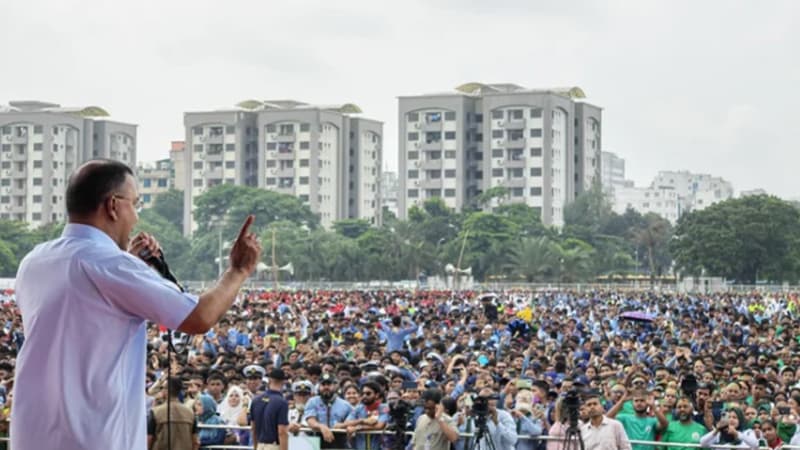
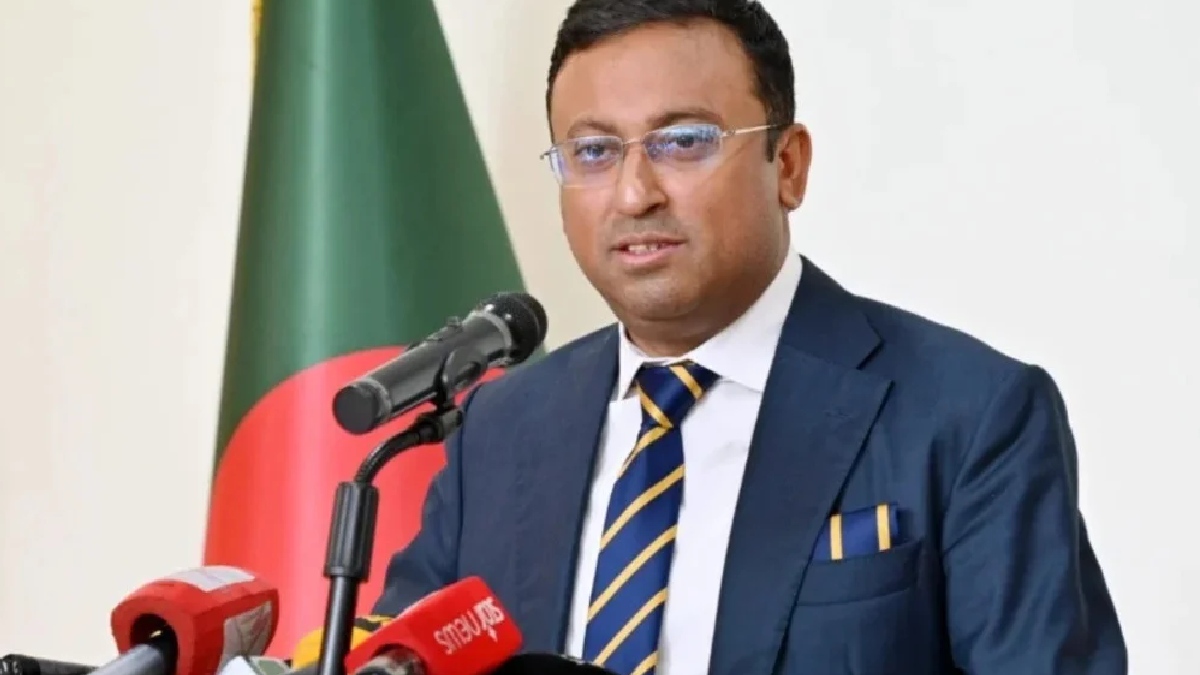
Bangladesh's new government is seeking to reset ties with India after describing 15 years under former Prime Minister Sheikh Hasina as strained. State Minister Humaiun Kobir said News18 that India is "simply another neighbouring country" and that Dhaka should stop being so focused on New Delhi. Bangladesh is reviewing 101 bilateral agreements signed under Hasina, including deals on ports, energy, and infrastructure—but officials say they will assess each project individually rather than cancel everything at once.
Prime Minister Tarique Rahman has declined invitations to visit India and skipped the BRICS summit in New Delhi, signaling deep friction. Reuters reported that India says it has not received any official notice of the review but warned it will take "all necessary actions" to protect its interests. The two countries face a December 2026 deadline when their 30-year water-sharing treaty expires, adding urgency to the diplomatic standoff.
What Bangladesh Is Reviewing
The 101 agreements under review cover transit access, water sharing, electricity supply, and infrastructure projects. TimesofinIndia reported that Dhaka is examining India's transit fees through Bangladesh's Chattogram and Mongla ports—corridors India uses to reach its landlocked northeast states. Bangladesh is also reassessing power deals, including electricity from Adani Power's Godda plant, amid payment delays caused by foreign exchange shortages.
Officials emphasized the review is not a blanket rejection. FirstPost noted that Bangladesh will evaluate each project on its own merits. However, some India-backed infrastructure projects now face feasibility reviews that could delay timelines or change financing terms. The 1996 Ganga Water Sharing Treaty—which expires December 2026 after 30 years—remains operational, though India says no new formal talks have been scheduled.
India Warns It Will Protect Its Interests
India's Ministry of External Affairs responded cautiously. TribuneIndia reported that spokesperson Randhir Jaiswal said New Delhi has received no official notification of the review but warned: "India will take all necessary actions to protect its interests." The statement stopped short of specific threats but signaled that New Delhi will not accept major changes to transit or water arrangements without negotiation.
Relations soured after Sheikh Hasina fled to India in August 2024 following youth-led protests. India suspended tourist visas briefly and tensions grew over border and immigration issues. The diplomatic chill deepened when New Delhi invited PM Rahman to the BRICS summit only as head of BIMSTEC—a regional bloc—rather than as a bilateral guest, which Bangladesh saw as a slight.
Bangladesh Turns Toward China and Multilateral Ties
Dhaka is broadening external partnerships to reduce dependence on India. Bangladesh has signed multiple agreements with China and is reportedly planning to buy Chinese fighter aircraft. The shift reflects a desire to diversify alliances and assert sovereignty. PM Rahman's first major foreign trip is to the UN General Assembly in New York, where he plans to host a side event on the Rohingya refugee crisis—keeping international focus away from India-centric diplomacy.
Bangladesh is also reportedly interested in joining the Mecca Pact, a multilateral initiative that could further shift regional alignments. These moves signal Dhaka wants to establish itself as an independent player rather than as a country orbiting India. The strategic reorientation comes as the Hasina government's pro-India tilt drew criticism at home for giving New Delhi asymmetric advantages on trade, transit, and resource sharing.
Sentiment
Mostly NegativeNEGATIVENEUTRALPOSITIVE
Publishers
54
Articles
35
Reach
89
Topics
A
AnonymousAuthor