Modi, Xi Reaffirm India-China Partnership, Manage Disputes
Modi, Xi Reaffirm India-China Partnership, Manage Disputes
Anonymous
Key Points
1
Xi Jinping’s visit to India was his first in seven years, and he spent 24 hours in New Delhi for the BRICS summit.
2
The New Delhi meeting was the leaders’ third in three years, following earlier efforts to restart and then improve bilateral relations at meetings in Kazan and Tianjin.
3
Foreign Policy reported that the diplomatic easing began in October 2024, indicating that the BRICS meeting marked the culmination of nearly two years of gradual détente rather than its starting point.
4
The two countries agreed to support each other in chairing BRICS, adding an institutional dimension to their effort to cooperate in multilateral forums.
5
Xi said China and India should draw on each other’s strengths, support one another and help each other succeed while pursuing common development, framing the relationship as one of mutual opportunity rather than merely dispute management.
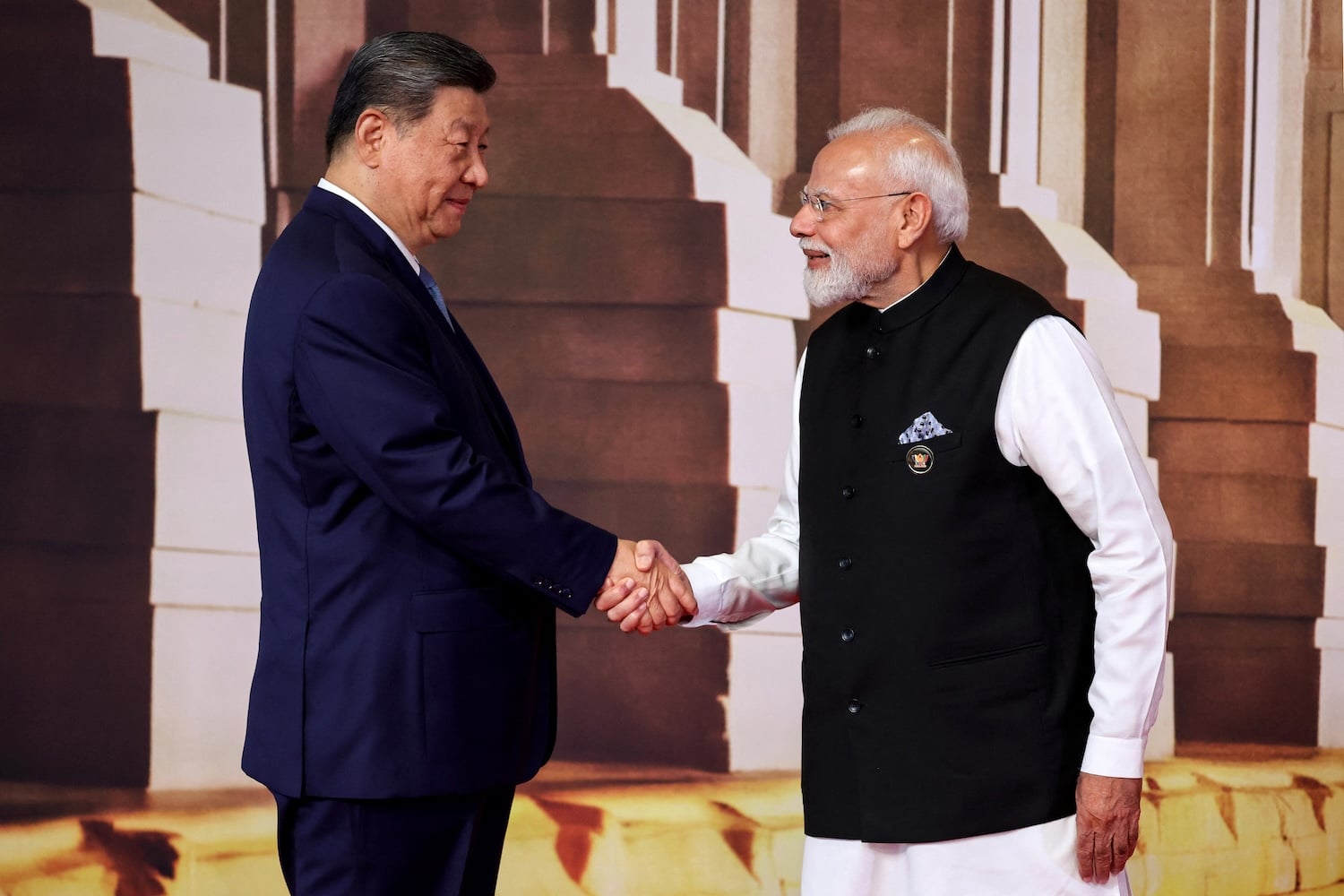
Indian Prime Minister Narendra Modi and Chinese President Xi Jinping met in New Delhi for talks that signal a thaw in one of Asia's most fraught relationships. Foreign Policy reports this diplomatic easing marks the culmination of nearly two years of gradual détente, not its beginning. The leaders agreed to view each other as partners rather than rivals and to manage their border disputes while expanding economic ties.
Xi's visit was his first to India in seven years, spending 24 hours at the BRICS Summit. This was their third meeting in three years, following earlier talks in Kazan and Tianjin aimed at repairing relations damaged by their 2020 border clash. Both nations pledged to support each other in chairing BRICS, adding institutional depth to their cooperation efforts.
From Border War to Partnership Framing
The 2020 clash killed at least 20 Indian soldiers and wounded dozens of Chinese troops. It triggered years of military buildup and diplomatic coldness. Today's meeting represents a shift in tone. Xi said China and India should "draw on each other's strengths" and "help each other succeed." Modi echoed the message, calling development — not dispute — the focus.
Both leaders committed to managing their border disputes to preserve peace. They also agreed to expand mutually beneficial economic and cultural cooperation. However, analysts caution the diplomatic thaw should not be overstated. Long-standing strategic and geopolitical rivalry could still spark new tensions.
Trade, Multilateral Forums, and People-to-People Ties
The two nations discussed addressing trade concerns that have strained bilateral commerce. They committed to strengthening people-to-people ties through cultural and educational exchanges. Both countries pledged to coordinate more closely through BRICS and other multilateral forums, viewing cooperation as mutually beneficial rather than zero-sum competition.
By supporting each other's BRICS leadership, India and China are building institutional mechanisms for ongoing dialogue. This structured approach aims to prevent disputes from derailing broader cooperation. The partnership framework emphasizes shared interests in development, climate action, and emerging market advancement.
A Gradual Détente with Lingering Uncertainties
The diplomatic warming did not happen overnight. Foreign Policy notes that détente began in October 2024, meaning this BRICS meeting represents months of careful relationship-building. Each side has made concessions — India accepted China's economic overtures, China acknowledged India's security concerns.
Yet strategic competition remains. China's military modernization and India's alignment with the United States create structural tensions. Geographic proximity and competing claims in the Himalayas are unchanging facts. Analysts say the partnership language is promising but fragile, requiring sustained commitment from both capitals to prevent backsliding into confrontation.
Sentiment
Mostly PositiveNEGATIVENEUTRALPOSITIVE
Publishers
14
Articles
15
Reach
29
A
AnonymousAuthor


