International Development Funding
New Development Funding and Investment Plans Target Growth Across Africa and Central Asia
Anonymous
Key Points
1
Kazakhstan’s ALEM project is targeting 28,000 young people trained in advanced skills, support for 800 startups and at least $60 million in mobilized private capital by December 2031; it also aims to help address women’s underrepresentation in venture-backed startups.
2
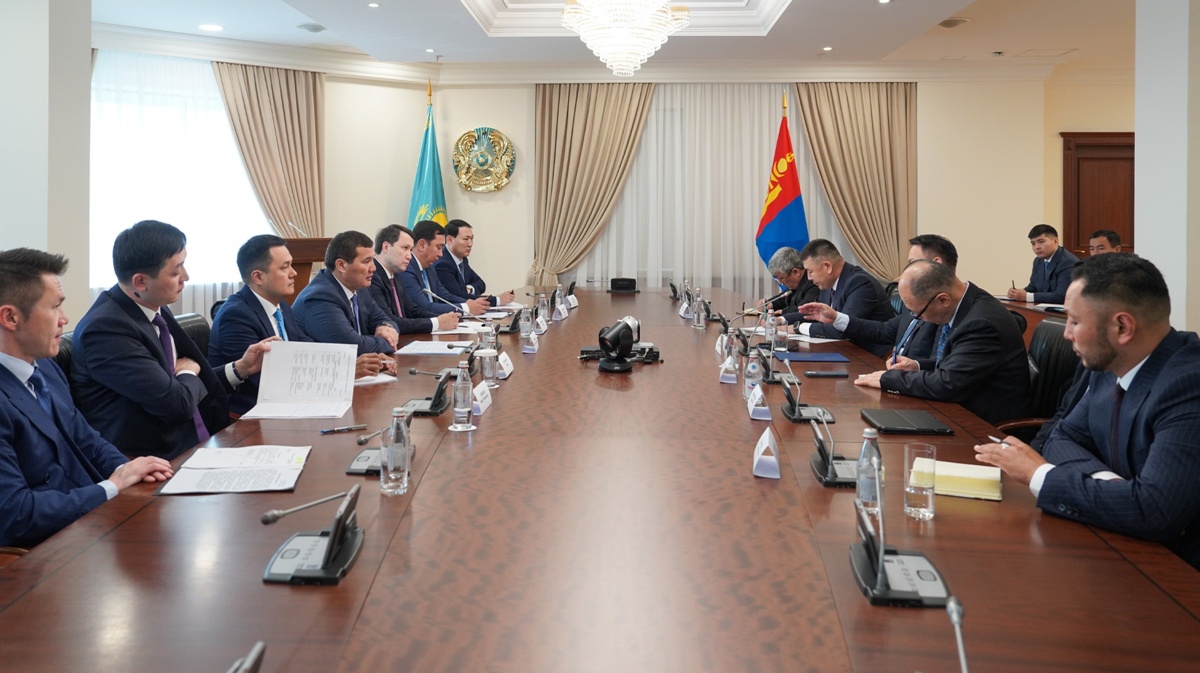
Kazakhstan’s proposed investment platform would use Baiterek to structure projects and combine capital with co-financing, guarantees and risk-sharing. President Tokayev also highlighted potential participation by German export-credit and investment-insurance institutions, including Euler Hermes.
3
Azerbaijan and the World Bank discussed the proposed agriculture project’s financing, geographic coverage, target beneficiaries and the role of the Agriculture Ministry’s Agrarian Credit and Development Agency. Azerbaijan’s deputy agriculture minister also linked the cooperation to the country’s 2026–2030 agricultural development program.
4
At Mfantsipim, infrastructure provision has involved several institutions over time: the Methodist Church initially played a major role, government responsibility increased after the 1961 Education Act, and the Old Boys Association has supported expansions. A library complex built with Ghana Education Trust Fund support was cited as an example of collaboration.
Kazakhstan is racing to build a tech-driven economy with a World Bank-backed $75 million plan to train AI talent and launch startups. The country's ALEM program aims to train 28,000 young people in cutting-edge skills, support 800 new companies, and pull in at least $60 million from private investors by December 2031. President Tokayev also unveiled a separate investment platform that would merge German and European capital with Kazakh funds for critical minerals, energy, and digital projects.
Across the developing world, nations are tapping international finance for infrastructure. World Bank officials discussed a new agriculture project with Azerbaijan focused on irrigation efficiency and climate resilience. Madagascar is seeking more Asian Infrastructure Investment Bank money for transport and energy. In Ghana, experts say Mfantsipim School needs better long-term planning and diverse funding partners to handle future growth.
Kazakhstan's AI Push Targets 28,000 Young Workers
The ALEM program is World Bank's flagship effort to plug Kazakhstan's tech talent gap. The $75 million initiative will train nearly 28,000 people in advanced skills like artificial intelligence, coding, and robotics. It also backs 800 startups with mentoring and capital. Critically, the program aims to boost women's participation in venture-backed companies — a sector where female founders remain severely underrepresented across Central Asia.
By the end of 2031, ALEM plans to mobilize at least $60 million in private investment. The focus spans computing infrastructure, robotics labs, and digital hubs. Qazinform reported that Kazakhstan's leadership views AI and digital technology as core pillars of economic diversification away from energy exports.
Tokayev Links German Capital With Kazakh Resources
President Tokayev proposed a new investment platform that pairs European and German capital with Kazakh financing. The model uses Baiterek, a state development bank, to structure deals and combine co-financing, guarantees, and risk-sharing. The platform targets critical minerals, energy, industrial projects, and digital technology. Tokayev specifically flagged potential involvement by German export-credit and investment-insurance firms like Euler Hermes to lower project risk.
This two-way capital model reflects Kazakhstan's strategy to diversify funding sources beyond oil revenue. By blending foreign expertise with local resources, the country aims to unlock projects that might struggle to find financing alone. The platform could unlock hundreds of millions in development spending over the coming decade.
World Bank and Azerbaijan Align on Water and Farm Reform
The World Bank and Azerbaijan's government are designing an agriculture project to boost sector competitiveness and water efficiency. Officials discussed financing terms, which regions will benefit, and who manages the fund. Azerbaijan's deputy agriculture minister tied the effort to the nation's 2026–2030 farm development roadmap. The Agrarian Credit and Development Agency, which operates under the Agriculture Ministry, will likely play a key role in distributing credit to farmers.
Irrigation and water management are critical for Azerbaijan as climate pressure mounts on arid regions. The project promises more resilient farming systems and better resource use. World Bank support signals confidence in Azerbaijan's reform agenda and opens doors to future environmental and rural development financing.
Madagascar and Ghana Seek Diverse Infrastructure Funding
Madagascar is requesting larger loans from the Asian Infrastructure Investment Bank to rebuild transport networks, expand power generation, and build digital systems. The island nation faces crumbling roads and unreliable electricity — barriers to growth. AIIB funding would lower financing costs and attract co-investors to tackle multiple infrastructure gaps at once.
In Ghana, construction experts warned Mfantsipim School that it must plan for population growth and broaden funding sources to maintain its campus. The school has historically relied on the Methodist Church, government support since the 1961 Education Act, and gifts from alumni. A library complex funded through the Ghana Education Trust Fund showed how diverse partnerships work. Schools that mix donors — churches, government, alumni networks, and grants — build more resilient infrastructure.
Sentiment
Mostly PositiveNEGATIVENEUTRALPOSITIVE
Publishers
13
Articles
16
Reach
29
A
AnonymousAuthor


