French Budget Crisis
France faces widespread student protests and mounting debt as government proposes budget cuts.
Anonymous
Key Points
1
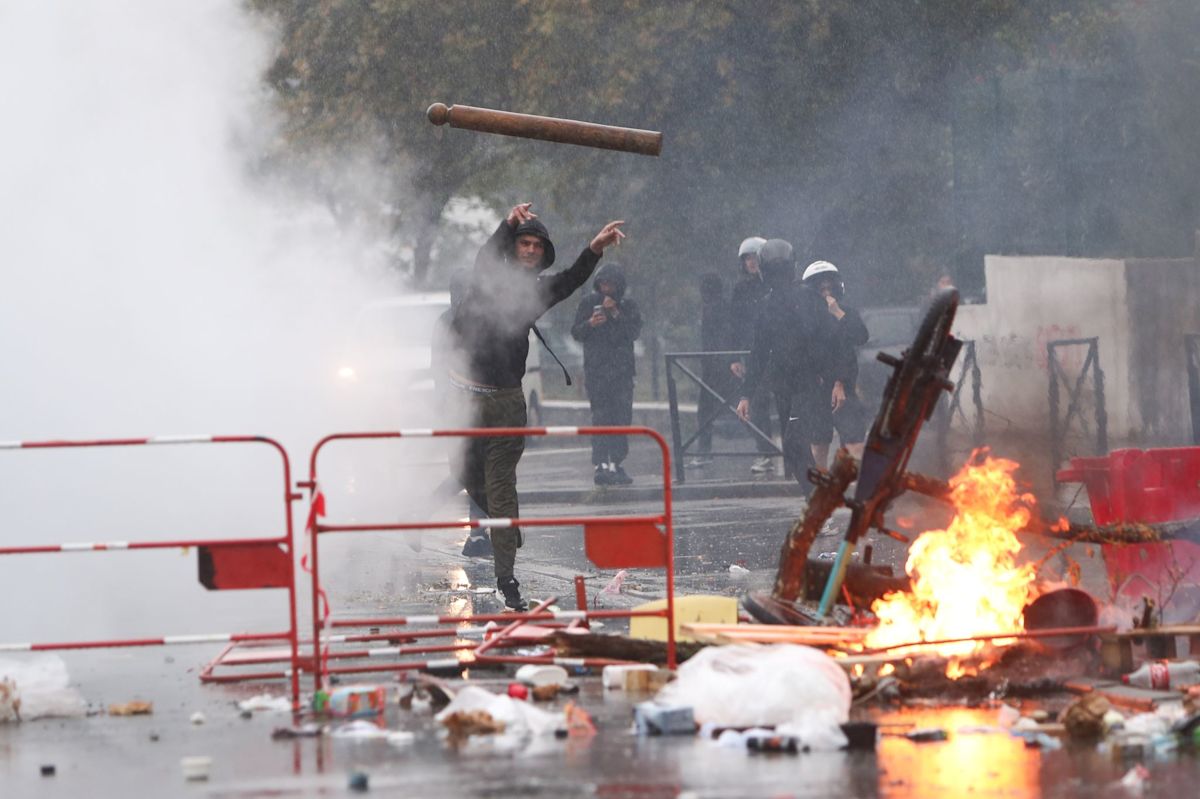
Education Minister Édouard Geffray said 65 public-education employees had been injured in the unrest, including 40 school principals; nearly 2,000 people were detained, according to the article.
2
Damage from the demonstrations had exceeded €1 million, Le Monde reported, while high-school students had blockaded more than 200 educational institutions.
3
French public debt reached 119% of GDP—about €3.6 trillion—at the end of June, and the spread between French and German government bonds had climbed to nearly 120 basis points, its highest level since 2012.
4
The budget plan would fully adjust for inflation only pensions of up to €1,260 a month; larger pensions would receive smaller increases. The government also proposed keeping the public-sector salary index point frozen.
France's schools are in crisis. Student-led protests have spread across hundreds of educational institutions this week, with clashes leaving at least 65 education employees injured and more than 5,000 people detained Yahoo News. Prime Minister Sébastien Lecornu called an emergency meeting and signaled willingness to negotiate as his government unveiled a €54 billion budget plan aimed at cutting the deficit from 5.4% to 5% of GDP.
The unrest reflects years of underfunding in French schools—overcrowding, teacher shortages, and worn facilities. Damage from the protests has exceeded €1 million Le Monde, while high-school students have blockaded over 200 schools. Lecornu now faces a delicate balancing act: pass his budget through a fractured National Assembly while addressing angry students and mounting debt concerns.
Schools Erupt Into Nationwide Unrest
The protests began on September 17 and quickly spiraled into violence The Nation. Over 400 schools closed as barricades went up. Education Minister Édouard Geffray reported that 65 public-education staff were hurt, including 40 school principals. Nearly 2,000 people were arrested, though Yahoo News put the total detention count at over 5,000, with roughly 85% being minors.
Damage exceeded €1 million Le Monde. Students demanded hiring of substitute teachers and better staffing levels. "We will not stop," student organizers told media The Independent. The speed and scale caught authorities off guard—from a single school walkout to a nationwide shutdown in days.
Years of Stretched Resources Boil Over
French schools have been starved of resources for years. Overcrowding, staff shortages, and high teacher absenteeism created a breaking point The Nation. Students said workload increased while support collapsed. The system simply could not absorb more cuts without breaking. These grievances had been building long before this week's explosion.
Lecornu acknowledged the crisis and called emergency talks, signaling openness to student demands. Yet his €54 billion budget plan cuts spending across ministries and social security. The government is betting it can negotiate with the fractured National Assembly while also placating schools. That's a difficult needle to thread.
France's Debt Crisis Pressures Budget Decisions
France's public debt stands at 119% of GDP—roughly €3.6 trillion. The spread between French and German government bonds climbed to nearly 120 basis points, its highest level since 2012. Borrowing costs are rising. The Lecornu budget must reduce the deficit to 5% GDP to calm financial markets and stabilize debt dynamics.
The plan fully adjusts pensions under €1,260 a month for inflation, but larger pensions get smaller increases. The government also froze the public-sector salary index point. These are direct cuts to workers' purchasing power. The budget gambles that deficit reduction will ease market pressure—but angry students and labor unions make passage uncertain.
Lecornu's Fractured Assembly Challenge Ahead
The Prime Minister must pass his budget through a National Assembly with no single majority. Socialists, conservatives, and the far-right National Rally hold seats but no consensus. Each bloc can block or demand concessions. Lecornu cannot alienate students and workers without losing parliamentary allies. He cannot spend more without worsening France's debt outlook.
Negotiations will dominate French politics in coming weeks. School staff want hiring commitments. Students want facility improvements. Financial markets watch deficit numbers. Lecornu promised talks. How he balances these pressures will define whether his government survives this crisis—or collapses under it.
Sentiment
Mostly NegativeNEGATIVENEUTRALPOSITIVE
Publishers
26
Articles
30
Reach
56
A
AnonymousAuthor


