French Student Unrest
Nationwide Student Protests Spark Political Crisis in France Over Education Neglect
Anonymous
Key Points
1
Students also criticized France’s university admissions system, describing it as too complicated; some university students joined the demonstrations.
2
The school protests coincided with a public-sector strike against the government’s budget plans, adding pressure on President Emmanuel Macron ahead of next year’s elections.
3
A student at a Paris high school said her class had gone a full year without a science teacher or textbooks, illustrating the reported staffing and resource problems.
4
The protests came as the government proposed allocating €65.5 billion for schools next year, up from €63.4 billion in its previous proposal.
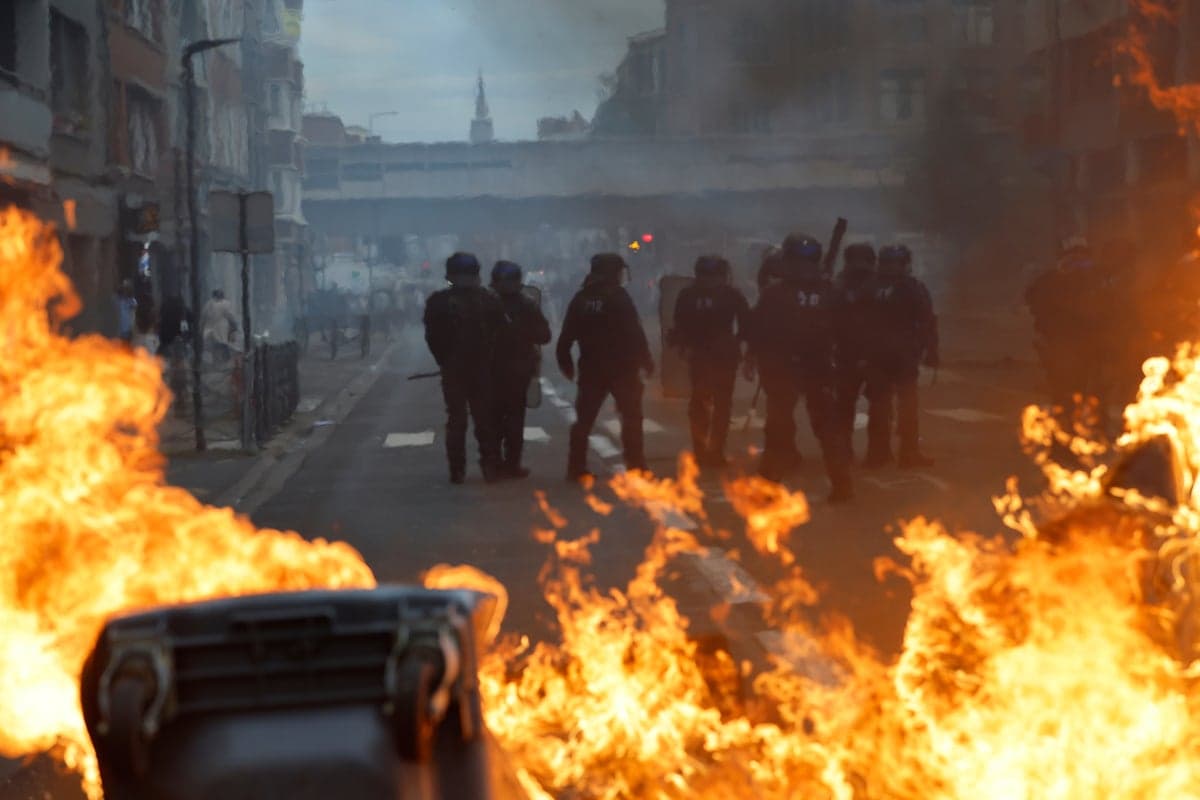
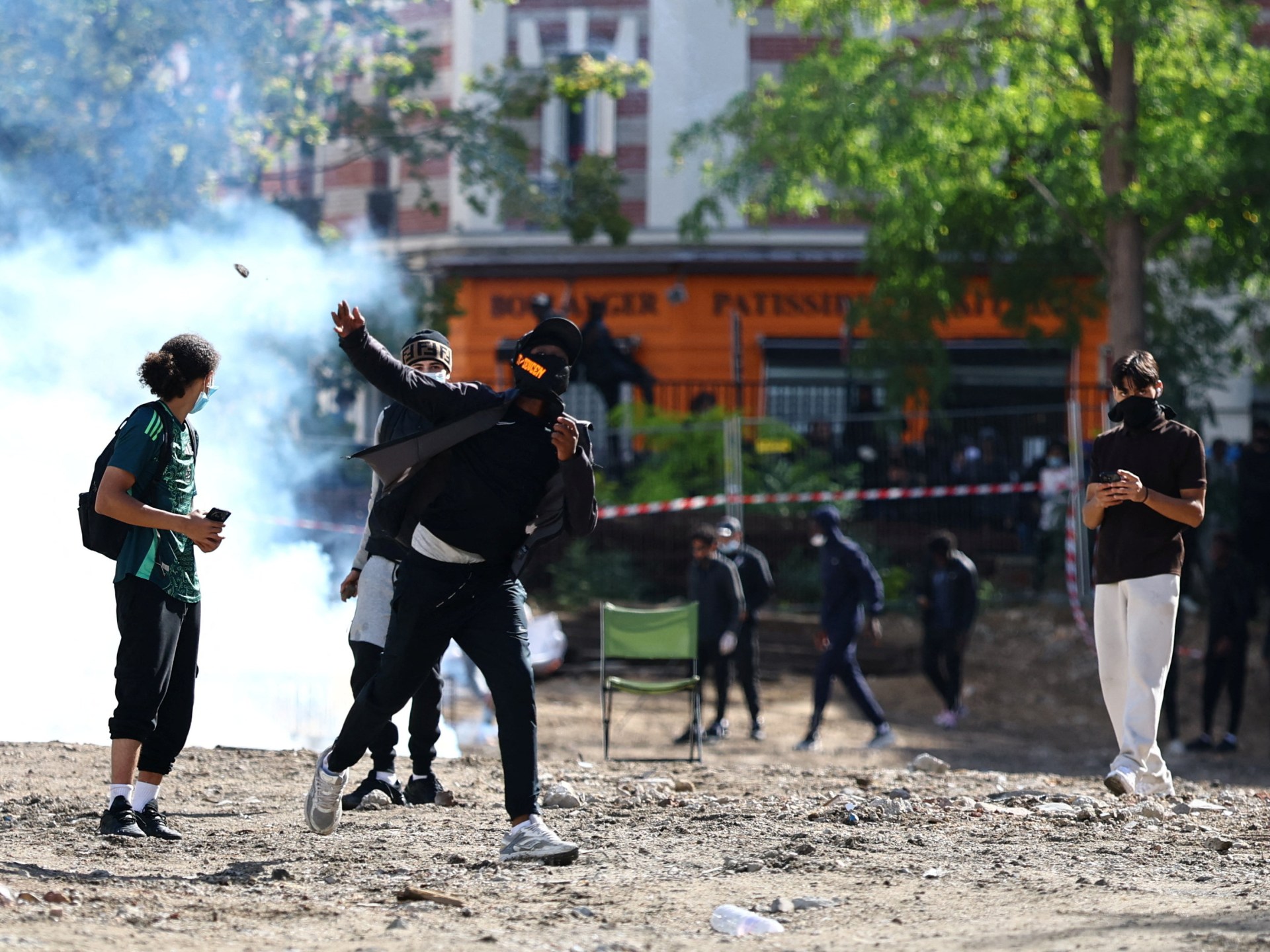
French high school protests have spiraled into nationwide unrest, shutting down over 1,000 schools at their peak and forcing police to deploy tear gas against demonstrating students. The movement, which started in Paris last week, has left nearly 3,000 people detained—mostly minors—and caused clashes that injured 170 students and 65 school staff members, according to CBS News. The protests are now a flashpoint ahead of next year's presidential election, with violence escalating as students demand better learning conditions and the government grapples with a budget crisis.
Students cite classrooms packed with 40 pupils, year-long teacher vacancies in critical subjects, and crumbling school infrastructure as their main grievances. Al Jazeera reports that at least 400 schools remain closed or disrupted. The unrest merged with a nationwide public-sector strike over government spending cuts, intensifying pressure on President Emmanuel Macron ahead of the 2027 budget draft.
Violent Clashes Grip French Cities from Paris to Lyon
Protests turned violent on Wednesday, September 30, as demonstrations erupted across Lyon, Bordeaux, Rennes, and Toulouse. Police made 625 arrests in a single day with 83 officers injured. By Thursday, October 1, the Interior Ministry reported a single-day record: 1,949 detentions. Laurent Nuñez, the Interior Minister, said officers faced thrown hydrochloric acid and Molotov cocktails, stating there is
Prime Minister Sébastien Lecornu called an emergency crisis cabinet meeting, canceling ministerial travel as he termed the unrest
Crumbling Schools and Missing Teachers Fuel Student Anger
Students report classrooms with up to 40 pupils and entire school years without key subject teachers. A 17-year-old at Lycée Voltaire in Paris said her class had gone a full year without a science teacher or textbooks. Students also criticize the Parcoursup university admissions system, calling it too complicated and opaque. Some university students joined the high school demonstrations, according to India Today.
The government proposed raising the education budget to €65.5 billion next year, up from €63.4 billion. Yet unions and students say the increase is insufficient to fix systemic shortages. Teachers and public-sector workers merged their protests against the broader government spending cuts demanded by President Macron's administration to address public debt.
Political Figures Trade Blame Over Election-Year Unrest
The protests have become a political minefield ahead of the 2027 presidential race. Government officials and right-wing figures accuse the far-left party La France Insoumise of exploiting or fueling the violence. Jean-Luc Mélenchon, the party leader, rejected the accusations while blaming ",
Prime Minister Lecornu acknowledged that "difficulties of high schools must be heard and addressed," but warned that the escalating violence makes it "virtually impossible to maintain the continuity of public education." Education Minister Édouard Geffray scheduled talks with student representatives while reviewing police conduct following complaints of heavy-handed tactics. Nearly 400 schools moved to remote learning on Friday to protect students and staff.
Sentiment
Mostly NegativeNEGATIVENEUTRALPOSITIVE
Publishers
48
Articles
68
Reach
116
A
AnonymousAuthor