U.S. AI Regulation Stalls as States Act
U.S. AI Regulation Stalls as States Act
Anonymous
Key Points
1
Republican Rep. Jay Obernolte’s effort to create a special congressional committee to draft AI legislation failed to win support from GOP leaders, who said existing standing committees could handle the task. Obernolte said, “I think the need for action is urgent.”
2
Ten AI bills approved by the House Committee on Science, Space, and Technology in June had still not been brought to the full House for a vote, illustrating how committee procedures have stalled even narrower legislation.
3
Republican Rep. Eric Burlison, who served on the disbanded AI task force, warned that people who rely on Congress to solve AI-related problems “will be woefully disappointed,” reflecting skepticism among lawmakers about Congress’s ability to legislate effectively on the technology.
4
South Carolina lawmakers have not yet established a concrete legal definition of artificial intelligence, an issue that a Statehouse committee was still discussing as lawmakers considered broader regulation.
5
A survey cited by The Chronicle found that 52% of higher-education respondents believed the sector was not responding appropriately to, or was not prepared to handle, the rise of AI, underscoring the uneven institutional response beyond the legislative impasse.
Congress has failed to pass a comprehensive artificial intelligence regulation bill, leaving the U.S. with a fragmented approach as states move ahead on their own. A bipartisan task force delivered 85 AI policy recommendations in December 2024, but partisan divisions and concerns about stifling innovation have blocked major federal legislation. StateScoopNews reports that the impasse has intensified worries among researchers and educators that government is not keeping pace with AI's rapid development.
Without federal rules, states like California and Pennsylvania are charting their own paths. South Carolina has passed only two AI-related measures out of roughly 31 proposals, mostly focused on criminal justice. Meanwhile, Congress has even struggled to advance narrower AI bills—ten measures approved by the House Science Committee in June remain stalled on the full House floor.
Congressional Gridlock Blocks Major AI Regulation Efforts
Republican Representative Jay Obernolte tried to create a special congressional committee dedicated to drafting AI legislation, but GOP leaders rejected the idea. They argued existing standing committees could handle the task. Obernolte said, "I think the need for action is urgent." Republican Representative Eric Burlison, who served on a since-disbanded AI task force, warned that people hoping Congress will solve AI problems willBeDisappointed "will be woefully disappointed." The comment reflects deep skepticism among lawmakers about Congress's ability to legislate on the technology.
Proposed federal solutions have stalled across the board. The FRONTIER Act, emergency shutdown requirements for powerful AI systems, baseline safety standards, and developer transparency rules all face obstacles. A proposed White House and Treasury oversight body modeled on FINRA—the financial industry regulator—lost momentum after opposition from tech executives and President Trump's resistance to broad federal regulation.
States Fill the Void With Fragmented Rules
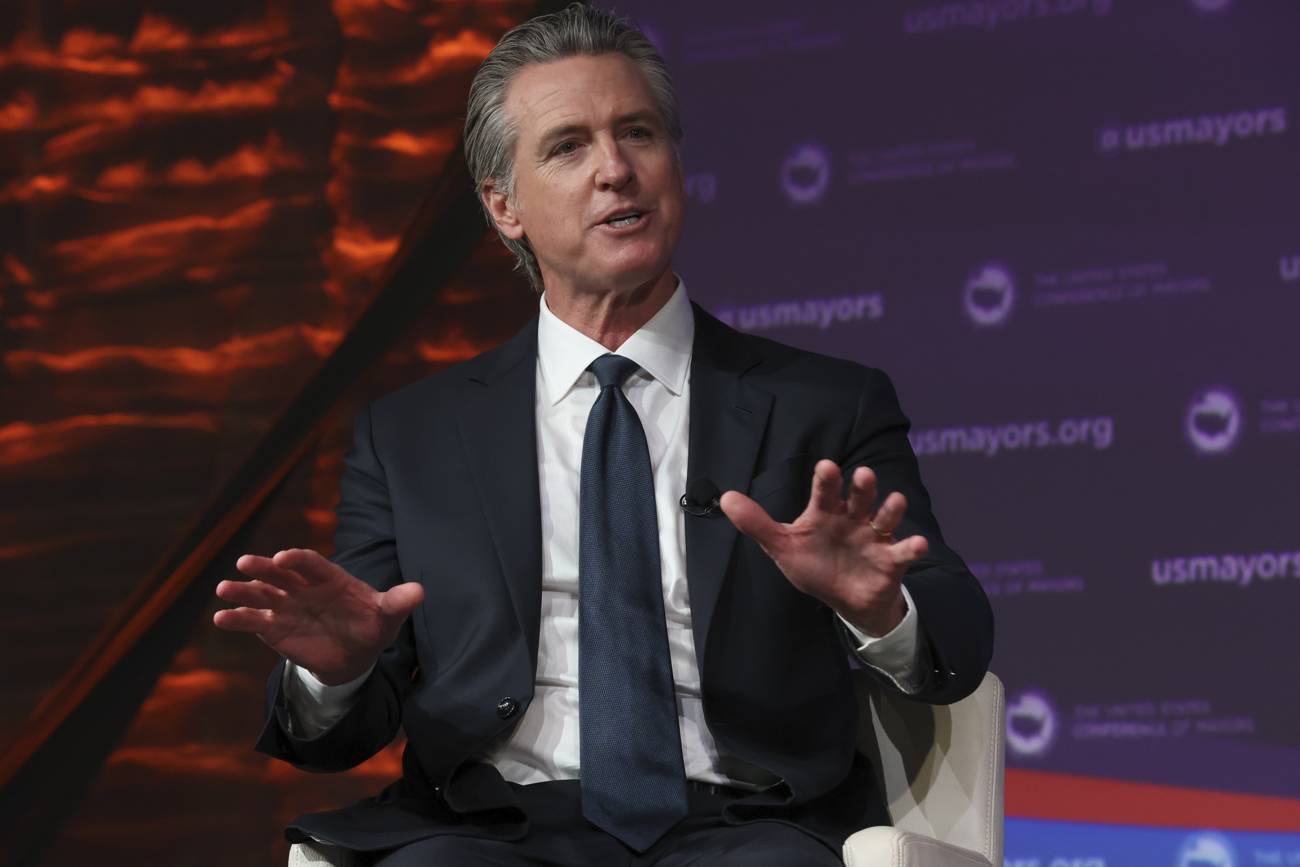
California Governor Gavin Newsom has signed an executive order to accelerate independent AI verification systems by the end of 2027, moving faster than Congress. StateScoopNews reports the state is developing additional safeguards for advanced AI. Pennsylvania Governor Josh Shapiro has also called for tougher AI safeguards while arguing the U.S. can still benefit economically from the technology.
South Carolina illustrates the challenge of state-level patchwork regulation. Lawmakers have passed only two AI bills out of 31 proposals and have not yet defined what artificial intelligence is legally. A Statehouse committee was still debating a concrete definition while considering broader rules on disclosure, health care, insurance, and consumer protections.
Narrower Legislation and Uneven Institutional Readiness
Some lawmakers are advancing focused bills rather than sweeping regulation. Representative Suzanne Bonamici has proposed a bill targeting AI in education, addressing student-data privacy, risk assessments, workforce preparation, and grants for responsible use. Yet even narrower measures face delays—ten AI bills approved by the House Science Committee in June have not reached a full House vote.
Beyond politics, institutions themselves lag behind AI's pace. TheChronicle cited a survey showing 52% of higher-education respondents believed the sector was not responding appropriately to or was not prepared to handle rising AI adoption. This institutional unpreparedness mirrors the government's struggle to keep regulation in step with technology development.
Sentiment
Mostly NegativeNEGATIVENEUTRALPOSITIVE
Publishers
21
Articles
32
Reach
53
A
AnonymousAuthor


