AI Openness vs. Security
APEC Nations Endorse Secure Open-Source AI as US-China AI Race Intensifies
Anonymous
Key Points
1
Moonshot AI's Kimi K3 open-weight model has reportedly beaten several U.S. competitors on multiple industry benchmarks, intensifying Treasury scrutiny over potential U.S. IP theft tied to Chinese AI progress.
2
The open-weight coalition includes around 25 signatories such as Nvidia, Microsoft, Meta, IBM, Palantir, Dell Technologies, Mozilla, Linux Foundation, and Hugging Face, with top frontier providers like OpenAI, Anthropic, and Google notably absent from the group.
3
APEC's Chengdu ministerial statement, signed by 21 economies including the United States and China, endorses open-source AI with 'strong security assurance' and signals a shift toward trusted open ecosystems, aided by China’s active push with models from firms like DeepSeek and GLM 5.2.
4
Industry leaders frame open-weight AI as compatible with a competitive, innovation-friendly ecosystem that mirrors the early open-source era, arguing it can spur startups, universities, and public institutions while maintaining security standards.
A coalition of more than 25 tech companies — including Nvidia, Microsoft, Meta, and Palantir — has urged U.S. policymakers to keep open-weight AI models free from broad restrictions, according to Fortune. Open-weight models are AI systems whose internal settings, called weights, are made publicly available for anyone to use or adapt. The push comes as China's Moonshot AI released its Kimi K3 model, which has reportedly beaten several U.S. competitors on industry benchmarks, rattling policymakers in Washington.
At the same time, APEC ministers meeting in Chengdu endorsed a framework for open-source AI paired with strict security measures. All 21 member economies, including the United States and China, signed on, according to reports. The moment signals a rare area of alignment — even as U.S.-China AI rivalry intensifies.
Tech Giants Warn Restrictions Could Hand China an Edge
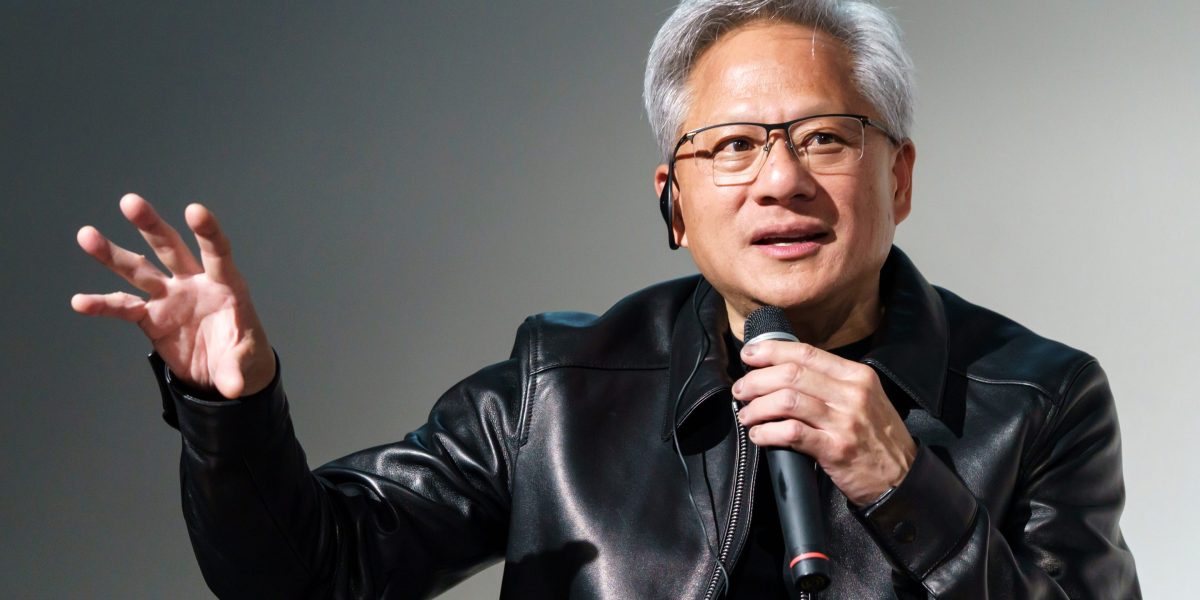
The open-weight coalition sent an open letter to U.S. policymakers arguing that curbs on open-weight AI would hurt America more than help it. Nvidia CEO Jensen Huang backed the effort, saying restrictions could harm U.S. competitiveness rather than strengthen national security, according to Interesting Engineering. The letter argues these models help startups, universities, and public institutions build faster and cheaper.
The coalition includes about 25 signatories: Nvidia, Microsoft, Meta, IBM, Palantir, Dell Technologies, Mozilla, the Linux Foundation, and Hugging Face. Notably absent are OpenAI, Anthropic, and Google — the three biggest closed-model providers. Yahoo reported that the group wants targeted legal and commercial frameworks instead of sweeping bans.
Kimi K3 Benchmark Win Sharpens U.S. Treasury Scrutiny
China's Moonshot AI released Kimi K3 as an open-weight model, and it has beaten several U.S. rivals on multiple industry benchmarks, according to Fortune. That result has intensified a U.S. Treasury review into whether Chinese firms used distillation to copy American AI technology. Distillation is a technique where a smaller model learns by mimicking a larger one.
Policymakers worry that Chinese labs may have used distillation to quietly absorb U.S. intellectual property. CoinGape reported that the coalition urges handling this through legal and commercial tools, not broad open-weight bans. The argument: restricting openness would slow American innovation without actually stopping IP theft.
APEC Chengdu Statement Backs Open AI With Security Guardrails
Ministers at APEC's Digital Weeks in Chengdu agreed on a framework endorsing open-source AI — but only with what they called 'strong security assurance.' All 21 member economies signed the statement. China pushed the framework actively, backed by its own open models from firms like DeepSeek and GLM 5.2. The move signals a shift toward trusted, interoperable open ecosystems across the Asia-Pacific region.
The agreement covers data protection, security standards, and cross-border collaboration on AI governance. Analysts see it as a pivot: rather than choosing between openness and security, governments now want both at once. The APEC statement aligns with what the tech coalition is asking for in Washington — verified security built into open systems, not restrictions that shut them down.
Open-Weight AI Mirrors Early Open-Source Era, Industry Says
Industry leaders frame the open-weight debate as a replay of the early internet and open-source software era. Back then, freely shared code powered the rise of Linux, the web browser, and cloud computing. QZ reported that supporters argue open-weight AI can do the same — accelerating innovation across sectors while keeping the U.S. at the frontier.
The competition, backers say, is no longer about one dominant closed model. It is about ecosystems — who builds the best tools, sets the most trusted standards, and attracts the most developers. With China releasing capable open models at speed, the coalition argues that America's best play is more openness, not less.
Sentiment
Mostly NegativeNEGATIVENEUTRALPOSITIVE
Publishers
23
Articles
25
Reach
48
A
AnonymousAuthor


