Monthly Oil Gains
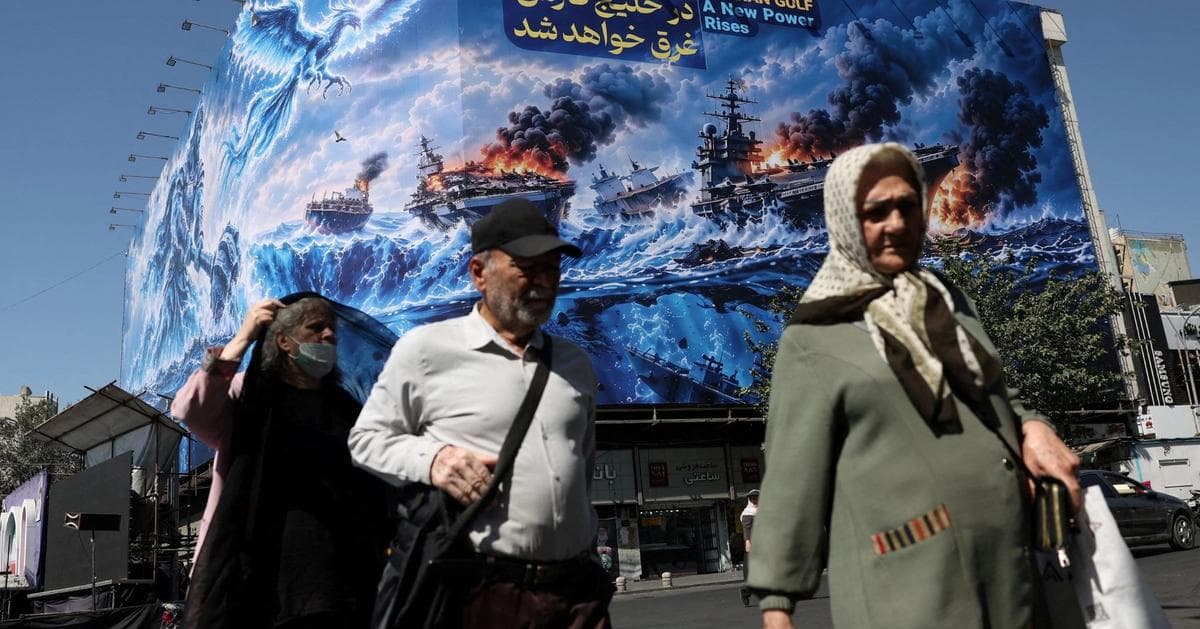
Oil Prices Rise as Trump Denies Plans to Ease Sanctions on Iran
Anonymous
Key Points
1
The Brent–WTI price spread widened to its largest level in four months as traders assessed the possibility of U.S. diesel-export restrictions and the resulting impact on domestic refining.
2
Available estimates put Strait of Hormuz flows at 13.2 million barrels a day—77% of pre-war levels—while a separate Reuters-cited estimate put flows at 7.4 million barrels a day, underscoring uncertainty about the scale of the recovery.
3
Saudi Arabia had resumed crude loadings at Yanbu through its East-West Pipeline, while Gulf-state crude exports had recovered to about 23.3 million barrels a day.
4
Qatari Foreign Ministry spokesperson Majed Al Ansari said the country was still arranging meetings and relaying messages between Iran and the United States, seeking common ground for an agreement that could avert the consequences of the conflict.
Oil prices climbed higher in late September as President Donald Trump ruled out easing sanctions on Iran, while Qatar worked behind the scenes to arrange talks between Washington and Tehran. Trading Union reported that Brent crude posted a roughly 14% monthly gain—its strongest September performance since July—as traders balanced recovering Middle Eastern supplies against lingering geopolitical risks and the threat of new U.S. restrictions on diesel exports.
Despite increased flows through the Strait of Hormuz and resumed Saudi loadings, shipments remain well below pre-conflict levels, stoking concerns about whether the recovery will hold. The uncertainty has kept a geopolitical premium baked into prices, while Bloomberg and traders assess how Trump's potential diesel-export limits could shrink domestic refining and reshape global energy markets.
Brent Surges 14% as Geopolitical Tensions Persist
Brent crude climbed to around $102–$108 in late September, delivering its strongest monthly performance since July, according to HDFCSky. The rally was fueled by Trump's firm rejection of Iran sanctions relief and lingering fears of fresh Middle Eastern disruptions. Peak Oil noted that a third U.S. aircraft carrier heading to the region and China's suspension of fuel exports added further upward pressure on global crude demand.
The Brent–WTI spread widened to its largest gap in four months as traders weighed competing pressures: recovering supply flows versus tightening global refining capacity. Morningstar reported that front-month ICE Brent crude for December gained $4.81 per barrel—a 4.94% weekly jump—marking the largest one-week percentage gain since mid-September.
Strait of Hormuz Flows Remain Fragile and Below Normal
The Strait of Hormuz is moving roughly 13.2 million barrels of oil per day—just 77% of pre-conflict levels—though some separate estimates put flows as low as 7.4 million barrels per day. This wide gap underscores deep uncertainty about the true pace of recovery. Gulf-state crude exports have rebounded to about 23.3 million barrels daily, while Saudi Arabia resumed loadings through its East-West Pipeline, Trading Union reported.
The incomplete recovery has kept traders on edge. Even modest shipment increases could reverse if tensions reignite. This lingering risk—combined with the threat of fresh U.S. military action—means crude remains locked above $100, despite rising supply. Traders continue pricing in a geopolitical premium to protect against further disruption.
U.S. Diesel Limits Could Reshape Refining and Crude Demand
Trump is weighing restrictions on U.S. diesel exports, a move that could flood domestic markets and force refiners to cut crude processing. The prospect has already widened the Brent–WTI spread to levels unseen in four months. Trump is considering allowing red-dyed diesel sales instead of a full ban—a compromise that could limit damage to refining economics.
Oil refiners in South Korea and other nations face new pressures from shifting global supply patterns. S-Daily reported that shares of South Korea's major refiners—S-Oil, SK Innovation, and GS—jumped over 10% after China suspended refined fuel exports, raising expectations of tighter global gasoline and diesel supplies. These moves highlight how export policies reshape crude demand across all markets.
Qatar Seeks to Bridge U.S.–Iran Divide Through Diplomacy
Qatar's Foreign Ministry spokesperson Majed Al Ansari said the country remains active in arranging meetings and relaying messages between Iran and Washington. Qatar is seeking common ground for an agreement that could prevent further conflict escalation and its economic fallout. These diplomatic efforts offer a counterweight to Trump's hardline public stance on Iranian sanctions.
Success in talks would ease the geopolitical premium currently embedded in crude prices. Even a modest thaw in U.S.–Iran relations could unlock millions of barrels of additional Iranian supply and send prices lower. For now, traders are betting that tensions will persist—and keeping oil locked near $100 to hedge that risk.
Sentiment
Mostly PositiveNEGATIVENEUTRALPOSITIVE
Publishers
22
Articles
42
Reach
64
A
AnonymousAuthor