Oil Near $100
OPEC+ Keeps Output Steady as Conflict and Supply Disruptions Keep Oil Near $100
Anonymous
Key Points
1
Tanker rates for voyages from the Persian Gulf exceeded $1.2 million a day, illustrating the high cost of moving crude even as some export volumes recovered.
2
The IEA said Ukrainian strikes on Russian refineries were adding to diesel-supply pressure, alongside severely restricted Middle Eastern refined-product shipments.
3
The G7 plans a front-loaded diesel release within 20 days, with the remainder of its planned 100 million barrels to be released over four months; the seven OPEC+ members are due to review market conditions on Nov. 1.
4
Iranian officials said Tehran had received a U.S. response to its latest proposal to end the war. The proposal reportedly offered to reopen the Strait of Hormuz within a week if the U.S. met certain conditions, but President Donald Trump had publicly rejected it days earlier.
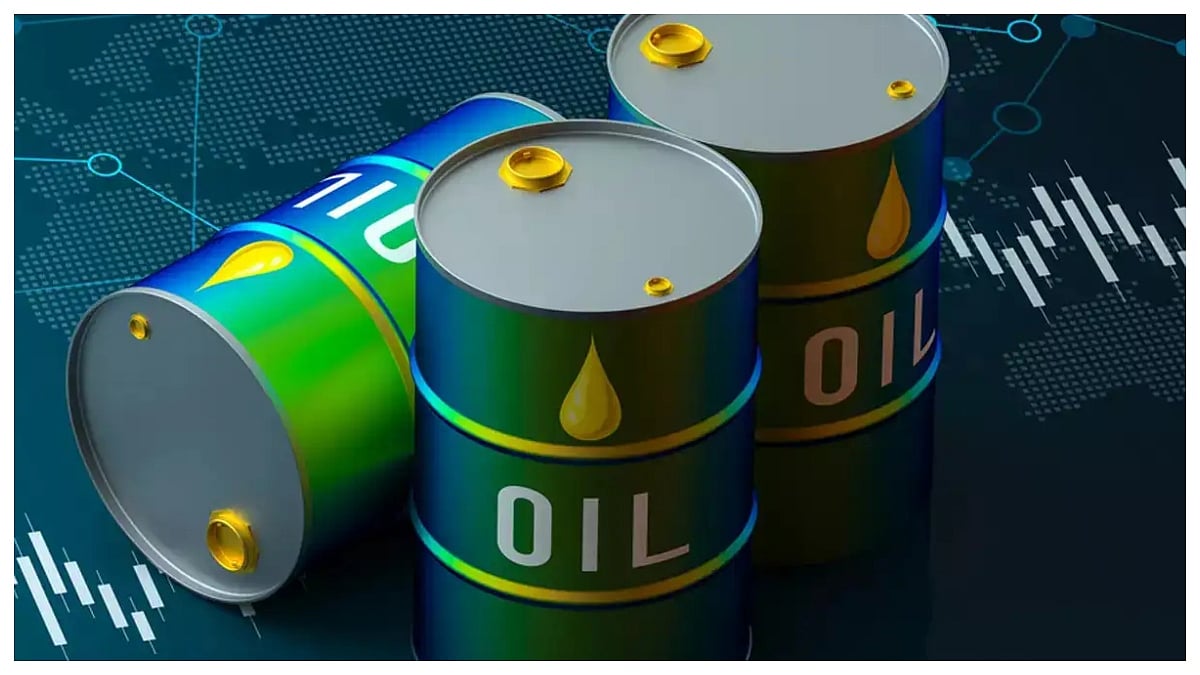
Oil prices held near $100 a barrel this week as conflict in the Middle East continues to disrupt energy supplies, even as the G7 prepared to flood markets with 100 million barrels from emergency reserves. The Deep Dive reported that OPEC+ kept November production targets unchanged for the second straight month, a sign the cartel sees little room to boost output when regional tensions are already keeping Gulf exports well below normal levels.
Tanker costs to ship crude from the Persian Gulf exceeded $1.2 million per day, reflecting the dangerous journey through contested waters. Hindustan Times noted that analysts say reserve releases have eased immediate supply concerns but failed to eliminate the underlying risks keeping prices elevated.
G7 Tries to Cool Oil Markets With Strategic Reserves
The Group of Seven nations announced plans to release 100 million barrels from emergency stockpiles to ease global energy prices. The release prioritizes diesel, with a front-loaded delivery of supplies within 20 days, followed by the remainder over four months. The International Energy Agency said about 325 million barrels of a separate 400 million-barrel release had already been distributed to markets.
Crude Oil Price Today noted that despite these efforts, Brent crude remained above $100 a barrel early this week, with futures dropping only 0.52% to $101.70. Analysts say the reserve releases provide temporary relief but do not address the core problem: production disruptions and dangerous shipping routes driven by Middle East conflict.
Middle East Supply Pressure Shows No Sign of Easing
Gulf oil exports remain well below pre-war production levels as conflict continues to constrain shipments from the region. Newsquawk reported that higher transport costs are limiting the benefit of any recovered shipments. Seven OPEC+ members are scheduled to review market conditions on November 1 to decide whether to adjust their strategy.
The International Energy Agency added that Ukrainian strikes on Russian refineries are compounding diesel shortages globally. Middle Eastern refined-product shipments face severe restrictions, intensifying pressure on fuel markets. Head Topics reported that fresh Saudi pipeline strikes and escalating conflicts in Yemen, including Houthi efforts to seize control of the Bab el-Mandeb Strait, continue to threaten chokepoints critical to global trade.
Diplomacy Could Open the Strait of Hormuz Within a Week
Iranian officials said they received a U.S. response to their latest proposal to end the war. The proposal reportedly offered to reopen the Strait of Hormuz—one of the world's most important oil shipping lanes—within a week if the United States met certain conditions. President Donald Trump had publicly rejected the proposal days earlier, raising doubts about the likelihood of a breakthrough.
India's Foreign Minister Ravi Agrawal underscored the economic toll of elevated oil prices, stating that nations "cannot have oil above USD 100 per barrel and believe things are close to normal," Newsquawk reported. The comment reflects growing concern that prolonged supply disruptions could derail global economic growth.
Sentiment
Mostly NegativeNEGATIVENEUTRALPOSITIVE
Publishers
15
Articles
8
Reach
23
A
AnonymousAuthor


