No Formal Apology
Buckingham Palace states King Charles will reflect on the slave trade without a formal apology
Anonymous
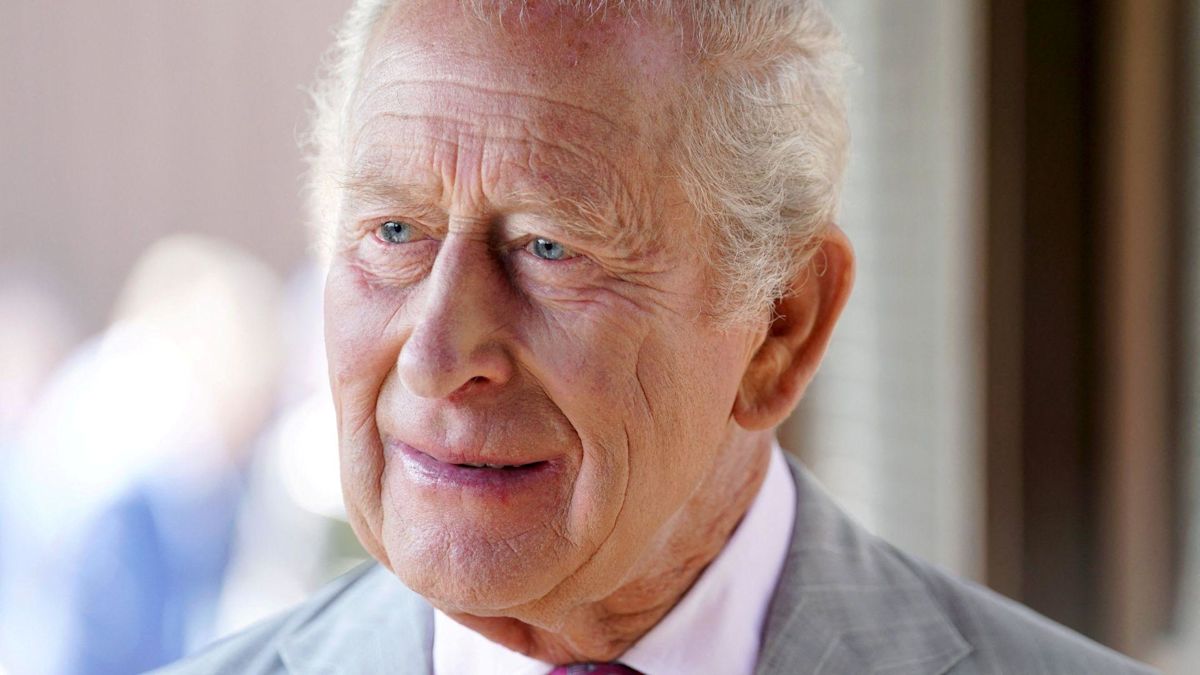
King Charles will not formally apologize for Britain's role in the transatlantic slave trade during his upcoming Caribbean tour, Buckingham Palace confirmed. Instead, the King will reflect on what Buckingham Palace called "the darkest days of our past" while visiting the Bahamas, Guyana, and Antigua and Barbuda later this month.
The tour comes as Caribbean and African nations increasingly call on former colonial powers to address slavery's legacy and consider reparations. The British government has already ruled out paying compensation, focusing instead on acknowledging history while emphasizing present and future relations.
Palace Frames Reflection Over Formal Apology
Buckingham Palace stated that King Charles will address slavery during his Caribbean visits but will not issue a formal apology. The Palace said the King would not shy away from discussing "the darkest days of our past." This approach reflects a deliberate choice to acknowledge history without formally accepting responsibility.
The King's programme will balance acknowledging Britain's colonial past with focusing on the present and future of the nations he visits. Buckingham Palace emphasized that the tour aims to strengthen relationships while recognizing historical facts.
Caribbean Nations Push for Reparations
Caribbean and African nations have intensified calls for former colonial powers to address slavery's legacy and consider reparations. These countries argue that formal accountability and compensation are necessary steps toward justice and healing from centuries of exploitation and harm.
King Charles leads the Commonwealth, a group of 56 nations with deep historical ties to the British Empire. Many Commonwealth members, particularly Caribbean nations, see the King's tour as an opportunity to push these reparations demands on the global stage.
UK Government Stands Firm Against Reparations
The British government has ruled out paying reparations for slavery, marking a firm stance on the issue. This decision comes despite growing international pressure and demonstrates Britain's reluctance to take direct financial responsibility for its historical role in the transatlantic slave trade.
The government's position signals that any acknowledgment during King Charles' tour will remain symbolic rather than material. The refusal to consider reparations underscores the tension between calls for justice and Britain's current policy direction.
Royal Tour Includes Commonwealth Meeting in Antigua
King Charles and Queen Camilla will visit three Caribbean nations before traveling to Antigua and Barbuda for the Commonwealth Heads of Government Meeting (CHOGM). The conference runs from November 1 to 4 and brings together leaders from all 56 Commonwealth nations.
The tour represents a significant diplomatic moment where the slavery issue will likely dominate conversations. The King's careful balancing act—acknowledging history without apologizing—may face criticism from nations seeking more substantial recognition and accountability.
Sentiment
Mostly NegativeNEGATIVENEUTRALPOSITIVE
Publishers
26
Articles
141
Reach
167
A
AnonymousAuthor