Jamaica Slavery Legal Review
King Charles refers Jamaica slavery reparations petition to the Privy Council for review
Anonymous
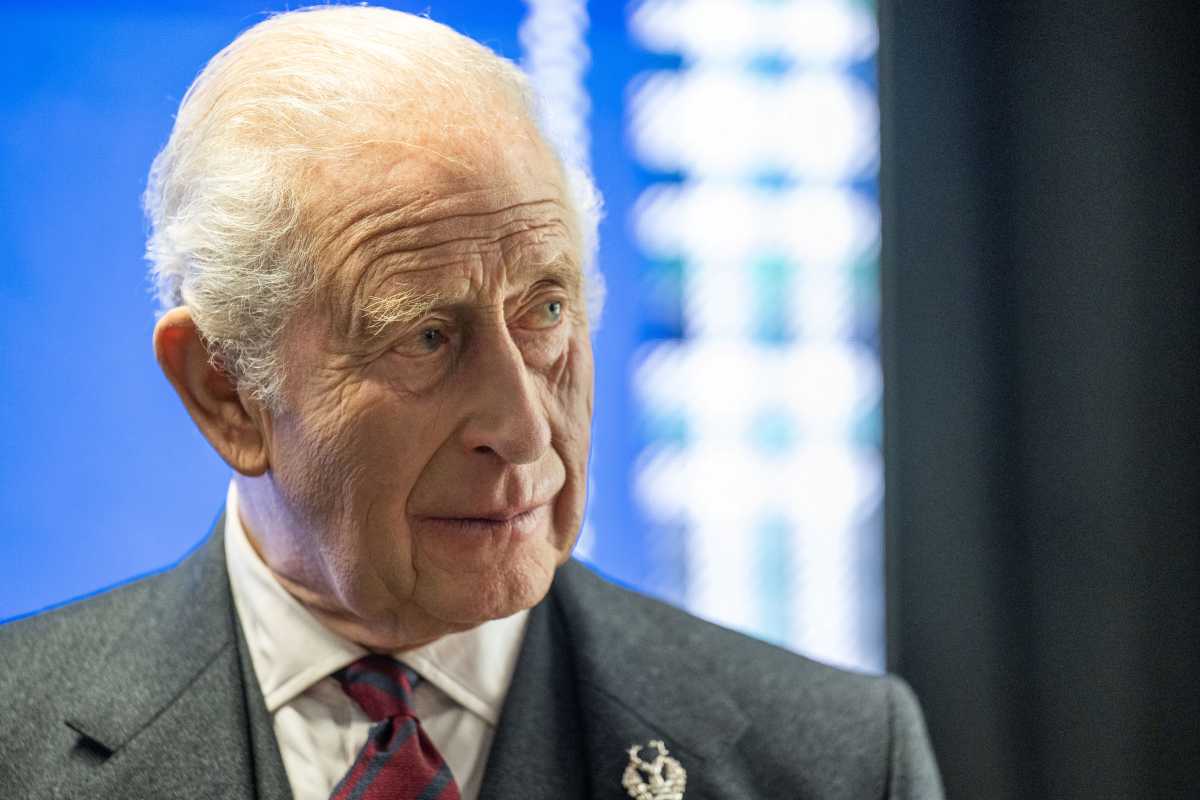
King Charles III has referred Jamaica’s petition on slavery reparations to the Judicial Committee of the Privy Council, following an announcement by Culture Minister Olivia Grange in Parliament. The petition asks whether the enslavement and forced transport of Africans to Jamaica were lawful, whether they violated international law or constituted crimes against humanity, and whether the United Kingdom has a legal obligation to provide restitution for slavery’s lasting consequences. Jamaica is seeking an advisory legal opinion rather than demanding a specific monetary settlement, and its attorney general is preparing to argue the case. The move has been welcomed by Jamaican officials as a significant step toward justice, while Britain has previously expressed sorrow over the slave trade but resisted issuing a formal apology or accepting financial liability. Critics of reparations argue that slavery was historically practiced by many societies and emphasize Britain’s 19th-century campaign against the transatlantic trade, though that view does not resolve Jamaica’s legal claims concerning Britain’s role and the consequences of enslavement.
Key Points
1
Jamaica used a rarely invoked provision of the Judicial Committee Act 1833, which permits the monarch to refer legal or constitutional questions to the Privy Council when they cannot be resolved through ordinary courts.
2
Jamaica’s culture minister said the country could not pursue the dispute at the International Court of Justice because the United Kingdom has reservations excluding disputes between the two countries from the ICJ’s compulsory jurisdiction.
3
Olivia Grange said Jamaica filed the petition on September 7, 2026, one day after the 245th anniversary commemoration of the Zong massacre, which she described as an event symbolizing the brutality of chattel slavery.
4
A Buckingham Palace spokesperson said King Charles has expressed “his personal and wholehearted commitment to promoting greater understanding around the issue of slavery and finding ways to address historic wrongs”; Grange separately said she was “encouraged” by the palace’s constructive engagement when the petition was filed.
Sentiment
Mostly NegativeNEGATIVENEUTRALPOSITIVE
Publishers
16
Articles
5
Reach
21
A
AnonymousAuthor


