AI Wilderness Planning Risks
Novice Hikers Rescued on Mount Shasta After Relying on AI for Trip Planning
Anonymous
Key Points
1
The hikers were college students from Roseville, California, in their early 20s.
2
They launched an alpine start around 3 a.m. on Aug. 29 and reached the summit around 7 p.m. that day, turning an planned eight-hour ascent into about 16 hours and leaving them descending in darkness.
3
Rescuers described the operation as mentally challenging, underscoring the difficulty of the rescue.
4
The rescue occurred on Aug. 31 and involved U.S. Forest Service climbing rangers and sheriff’s search-and-rescue volunteers.
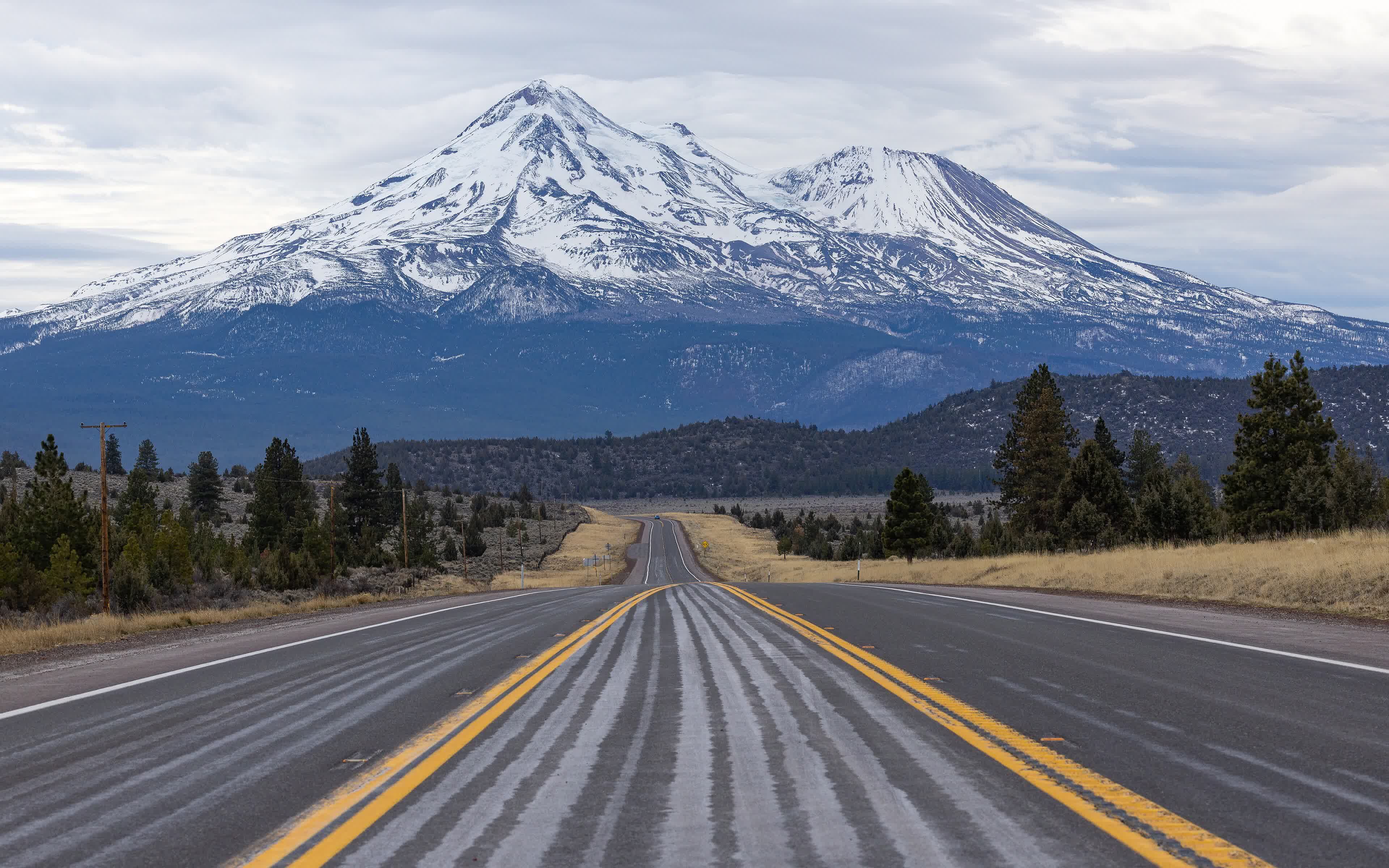
Three novice hikers from Roseville, California, were rescued after spending a night stranded on Mount Shasta in late August, an ordeal that began when they relied on Google's Gemini AI to plan their climb. ABC News reported the college students in their early 20s used the chatbot to determine how long the ascent would take and what supplies to pack — advice that proved dangerously unreliable when their planned eight-hour trip stretched into a 16-hour ordeal that left them descending in darkness.
The hikers became stranded in Mud Creek Canyon after launching an alpine start around 3 a.m. on August 29 and reaching the summit around 7 p.m. that same day. Chicago Tribune reported that at least one suffered a knee injury during the descent, and KING5 noted rescuers described the operation as mentally challenging. US Forest Service climbing rangers and sheriff's search-and-rescue teams rescued them on August 31, marking the latest in a series of AI-assisted wilderness planning failures that have alarmed authorities.
How AI Planning Led to Disaster
The hikers turned to Google Gemini for guidance on route timing and gear instead of consulting experienced rangers or guidebooks. TechSpot reported they asked the AI how long Mount Shasta would take and what to bring — getting answers that severely underestimated the climb's difficulty and their supply needs. The AI failed to account for the altitude gain, terrain challenges, and the critical fact that an eight-hour estimate had no margin for error before darkness fell.
Their supplies ran short quickly. One hiker's phone battery died during the descent, cutting off navigation options when they needed them most. WFXRTV reported that after becoming lost in Mud Creek Canyon, the group spent an uncomfortable night exposed before rescuers located them. The incident exposes how AI systems, trained on broad internet data, cannot substitute for real-world wilderness expertise.
A Growing Pattern of AI-Guided Rescue Operations
This Mount Shasta rescue is not isolated. Multiple young climbers have relied on AI for trip planning in recent weeks, with several resulting in rescues that stretched authorities thin. ABC News noted these incidents span late August to early September, all featuring ill-prepared hikers who trusted AI advice over traditional planning methods. Search-and-rescue teams report rising frustration as they respond to preventable emergencies rooted in overconfidence in AI guidance.
The commonality is striking: novice climbers ask AI systems about routes, timing, and supplies without verifying answers against established sources or consulting rangers. No single AI chatbot has been trained on real-time weather, current trail conditions, or the specific hazards of individual mountains. Yet hikers treat these systems as reliable trip planners, with potentially fatal consequences.
What Authorities Now Urge Hikers to Do Instead
Rescue officials stress three critical steps before any serious climb. First: talk directly with rangers who manage the area — they know current conditions, recent injuries, and realistic timelines. Second: verify routes using multiple navigation methods, not just one source or app. Third: adopt a noon turnaround rule, abandoning the climb if you have not reached the summit by midday to ensure daylight descent.
Experts emphasize that mountains like Mount Shasta demand respect and preparation. Hikers should research elevation gain, average climbing speeds for their fitness level, and pack twice the water and food they think they'll need. The lesson is clear: AI can assist trip planning, but it must never replace expert consultation, maps, and common sense for high-risk wilderness adventures.
Sentiment
Mostly NegativeNEGATIVENEUTRALPOSITIVE
Publishers
15
Articles
223
Reach
238
Topics
A
AnonymousAuthor


