Jets Roster Update
New York Jets Place Rookie Wide Receiver Omar Cooper Jr. on Injured Reserve
Anonymous
Key Points
1
Cooper’s injury was initially characterized as a week-to-week issue, but the Jets ultimately chose an injured-reserve stint; high ankle sprains are especially difficult for a receiver because they affect burst and sharp cuts.
2
Cooper entered the NFL after a highly productive final two seasons at Indiana, totaling 20 touchdowns and 1,531 receiving yards; he led the Big Ten in 2024 with 21.2 yards per catch.
3
With Cooper joining Tim Patrick on injured reserve, the Jets had only four wide receivers on the active roster for the Packers game. The team has five tight ends and used all five on the field for one play in its Week 1 victory, underscoring the likely shift toward heavier tight-end usage.
4
Cooper did not practice during the week after his debut and was ruled out Friday before being placed on injured reserve.
5
The Jets’ remaining depth had shown limited production in the opener: Isaiah Williams and Arian Smith were each targeted only once, and Smith dropped his lone opportunity. Despite signing Sterling Shepard and Tyler Johnson, neither practice-squad veteran was expected to be elevated for the Packers game.
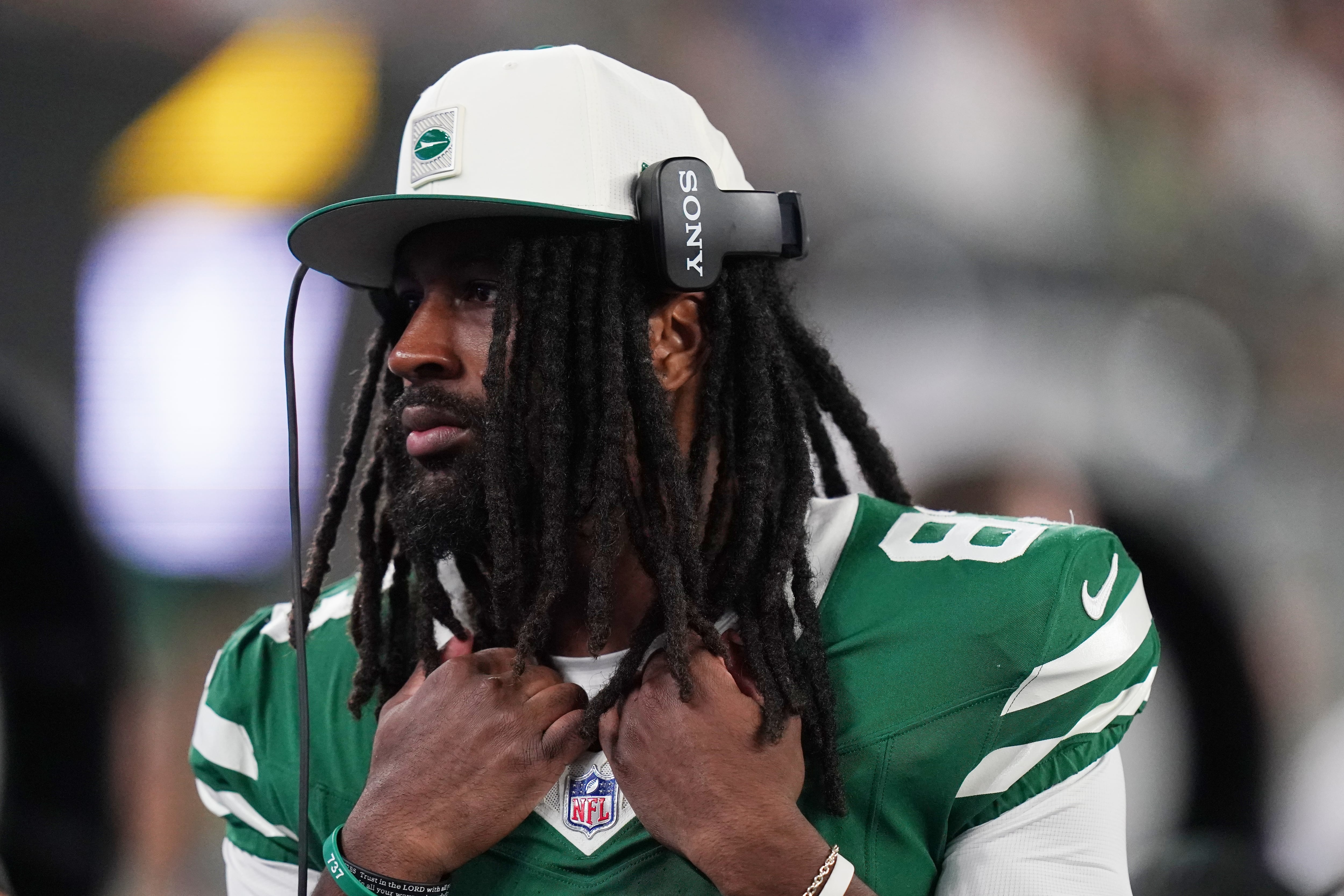
New York Jets rookie wide receiver Omar Cooper Jr. is headed to injured reserve after suffering a high ankle sprain in his NFL debut against Tennessee. The 30th overall pick made a 30-yard catch-and-run on his first reception before the injury forced him off the field after just four or five snaps, according to CBS Sports.
Cooper will miss at least four games, including matchups against Green Bay, Detroit, Chicago, and Cleveland. He's eligible to return in Week 6 against New England. His absence immediately thins out the Jets' receiving corps and forces the team to lean more heavily on tight ends and potential practice-squad call-ups like Sterling Shepard.
Why High Ankle Sprains Derail Wide Receivers
High ankle sprains are especially damaging for pass catchers. Unlike standard ankle injuries, they affect the ligaments that stabilize side-to-side movement. For a receiver, that means lost burst off the line and slower cuts—the very movements needed to create separation and plant for routes. Cooper's timing and explosiveness may take weeks to return even after he clears medical protocols.
From Indiana Star to Sidelined Rookie
Cooper emerged as one of college football's elite receivers over his final two seasons at Indiana. He totaled 20 touchdowns and 1,531 receiving yards, and led the Big Ten in 2024 with an eye-popping 22.1 yards per catch, according to CBS Sports. The Jets expected him to contribute immediately as a complementary option to star Garrett Wilson.
Jets Thin at Receiver, Turn to Tight Ends
With Cooper and Tim Patrick both on injured reserve, the Jets had only four active wide receivers heading into Week 2. Isaiah Williams and Arian Smith saw minimal action in the season opener—Williams and Smith were each targeted just once, and Smith dropped his only opportunity. The team now likely shifts to heavier tight-end usage, underscoring that it fielded all five tight ends on one play in Week 1.
Practice Squad Options Waiting in Wings
New York signed veteran receivers Sterling Shepard and Tyler Johnson to the practice squad but did not elevate either for the Packers game. Both are now in position to fill depth snaps if injuries continue or performance demands a change. The Jets' depth chart at receiver now hinges on how quickly Cooper recovers and whether young options like Williams can turn opportunity into production.
Sentiment
Mostly NegativeNEGATIVENEUTRALPOSITIVE
Publishers
17
Articles
96
Reach
113
A
AnonymousAuthor


